
custom pr boxes
Showing all 2 results
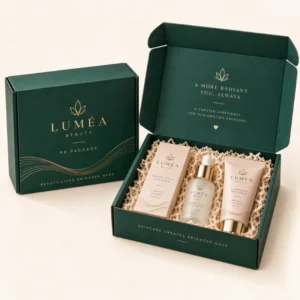
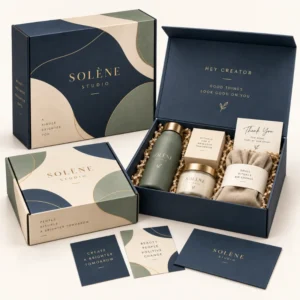
Custom PR boxes are presentation boxes made for press, creators and partners, designed to introduce a product or a story in a memorable and photogenic way. They usually combine a rigid or premium mailer structure with a fitted insert, branded print and a clear reveal order, so the recipient understands the product at first opening. Unlike an everyday postal box, a PR box is built around a moment: the opening, the photograph and the story that follows.
What are custom PR boxes
PR stands for public relations, and a PR box is a physical press or creator pack sent to journalists, editors, influencers, ambassadors and partners. The box may contain a hero product, samples, a launch card, a lookbook, branded merchandise or a combination of those items. The packaging itself carries the brand message, through colour, texture, print and structure, before the recipient reads a single word. A strong PR box therefore needs to work on three levels at once: it must protect the contents in transit, present them beautifully on opening, and photograph well for social media and editorial use.
That triple purpose shapes every design choice. A box that looks luxurious but lets products move in transit will disappoint on camera and in person. A box that protects perfectly but opens awkwardly will lose the reveal moment. A box that photographs well but feels flimsy in the hand will undermine a premium product. The best PR boxes balance protection, presentation and photography, with an insert that holds each item in place and a lid or sleeve that opens in a deliberate, satisfying way.
PR boxes for launches, press and creators
Launch PR boxes are often sent ahead of a release, with a clear embargo note or launch date card where relevant, so recipients understand timing. Press boxes for journalists may include a product, a concise story card and key facts, because an editor needs to understand the angle quickly. Creator boxes for influencers may include a hero product plus smaller samples, a personal note and a clear call to action, such as trying the product or sharing a first impression. The audience should shape the contents and the tone, even when the outer box design stays consistent across a campaign.
Planning the reveal order
Reveal order is the sequence in which items are seen when the box is opened. Place the hero product where the eye lands first, usually in the centre or at the top level, with supporting items arranged around or beneath it. Use tissue, a lid message or a top card to create a pause before the main reveal, but avoid hiding the hero product under layers that frustrate the recipient. Test the reveal with someone who has not seen the box before, and watch where their hands and eyes go first. Their reaction is a better guide than a design mockup alone.
Structures used for PR boxes
Rigid boxes with a magnetic lid, a lift off lid or a drawer sleeve give the most premium feel and are often kept by recipients long after the campaign. Printed mailer boxes with a self locking lid give a lighter, postal friendly option that still photographs well and can be printed inside and out. A sleeve over a rigid or mailer box can add a second reveal, with a bold outer design and a more restrained inner box. The structure should match the product weight, the number of items and the delivery method, because a heavy rigid box needs stronger protection in its outer shipper than a light mailer.
Outer shipper versus presentation box
Many PR campaigns use two layers: a plain outer shipper that protects the presentation box in transit, and the presentation box itself that is photographed and kept. That separation protects finishes such as foil and soft touch lamination from scuffs, and it allows the presentation box to arrive in perfect condition. If the presentation box is also the shipper, choose a durable finish and a closure that will survive handling, and consider a protective wrap or sleeve. Discuss the delivery route at quote stage, because a box sent by courier, by post or by hand needs different protection.
Designing custom PR boxes that photograph well
Photography is central to PR packaging, because many recipients will share an unboxing photograph or video. Colour contrast, clean lines and a clear focal point photograph better than a busy design with many competing elements. A single bold colour, a restrained pattern or a textured wrap can give a photograph depth without distracting from the product. Inside the box, a light or neutral insert colour can help products stand out, while a dark insert can create drama for light coloured products. Test the box in natural light and in indoor light, and photograph it from the angles a recipient is likely to use.
Text on a PR box should be short and purposeful. A logo on the lid, a short message inside, and a product card with key facts are usually enough. Long paragraphs on the box itself can look cluttered in photographs and may be unreadable at social media image sizes. Save detailed information for a card or a lookbook inside the box, where the recipient can read it after the visual moment. Keep personalisation thoughtful: a handwritten style note or a name card can make a recipient feel valued, but it should not look generic or forced.
Inserts, finishes and details
Inserts are the workhorse of a PR box. Card inserts with cut outs hold products upright and in position, foam inserts suit heavier or irregular items, and paperboard trays can create levels for multi item kits. Finishes such as foil stamping, embossing, debossing, spot gloss and soft touch lamination add tactile interest and signal premium quality, but they should be used selectively. One or two finishes, chosen to match the brand, usually look more refined than many finishes competing on the same box.
Small details that elevate a PR box
Ribbon pulls, belly bands, tissue in a brand colour, a wax seal style sticker or a printed card can elevate a PR box without a major structural change. Those details work best when they have a purpose: a ribbon pull helps lift a tray, a belly band holds a sleeve in place, tissue protects a surface. Avoid adding details purely for decoration if they slow packing, complicate opening or create waste that undermines the brand message. Every detail should earn its place by improving protection, presentation or the recipient experience.
Planning a PR box campaign
A PR box campaign starts with a clear goal: launch awareness, press coverage, creator seeding, retail buyer interest or partner gifting. The goal shapes the recipient list, the contents, the quantity and the timing. A small, highly targeted list with a premium box may be more effective than a large list with a generic pack, especially for a luxury or niche product. Build the recipient list early, confirm addresses and any delivery preferences, and plan packing and dispatch so boxes arrive in a coordinated window rather than scattered over many weeks.
Timing also matters for PR boxes. A launch box should arrive with enough time for a recipient to try the product and create content, but not so early that the story feels stale. Press boxes may need to align with editorial deadlines, while creator boxes may need to align with a campaign hashtag or event. Rigid and specialist boxes have lead times of 13 to 16 working days after final artwork approval, so artwork, inserts and contents should be ready well before the dispatch date. Allow extra time for sampling, because a PR box sample should be tested with the real products inside.
Measuring success honestly
Success for a PR box campaign can include coverage, social content, product trials, retail conversations and direct feedback, but no box can guarantee coverage or a positive review. Track what can be measured: delivery confirmations, content posted, press mentions, product feedback and follow up conversations. Note which elements recipients mention most often, such as the reveal, the insert or a particular detail, and use that feedback for the next campaign. Honest measurement helps a brand improve its packaging and its story, rather than repeating a format that looked good but did not connect.
Sustainability in PR packaging
PR boxes can be premium and responsible at the same time. Paperboard inserts, recyclable board, paper tissue and a box that can be reused or recycled help a recipient feel good about keeping or disposing of the pack. Avoid unnecessary plastic, oversized boxes and single use decorative items that add waste without adding meaning. If the box is designed to be kept, say so briefly, for example by suggesting a second use such as storage. A clear, factual sustainability note is more credible than a broad claim that the specification cannot support.
Ordering custom PR boxes
An order brief for PR boxes should include product dimensions and weights, the number of items per box, the recipient type, the desired structure, print areas, finishes, insert needs and dispatch timing. Share photographs or samples of products where possible, because insert design depends on exact product shapes. Review a physical sample with the real products inside, check the reveal order, the closure and the photography, and approve artwork only when the sample feels right in the hand as well as in photographs. Keep the approved specification for reorders and for future campaigns with a similar format.
Work with your packing team or fulfilment partner early, because PR boxes often need careful hand packing. A packing guide with photographs, showing the order for tissue, inserts, products and cards, helps every box look consistent. Check a finished box after transit in its outer shipper, so you know the presentation box arrives as intended. Consistent packing is part of the brand experience, especially when recipients compare boxes online.
Related presentation options include custom presentation boxes and broader custom PR packaging. When ready to discuss a campaign, use get a quote for custom packaging or browse shop all packaging.
Frequently asked questions about custom PR boxes
What is a PR box
A PR box is a branded presentation pack sent to press, creators or partners to introduce a product or a story. It usually contains a product, samples or merchandise, plus a card or note, all presented in a box designed for opening and photography.
Should a PR box use a rigid box or a mailer box
Rigid boxes suit premium launches and keepsake packs, while printed mailer boxes suit lighter, postal friendly campaigns. Choose from product weight, item count, budget for the campaign and whether the box should be kept by the recipient.
How many items should a PR box contain
One hero product plus a small number of supporting items usually works best. Too many items can clutter the reveal and confuse the story, while a single well presented product with a clear card can be more memorable.
Can PR boxes be personalised for each recipient
Yes, a name card, a personal note or a tailored product selection can personalise a PR box. Keep personalisation manageable for packing, and check that names and details are correct before dispatch.
How long do custom PR boxes take after artwork approval
Rigid and specialist boxes have lead times of 13 to 16 working days after final artwork approval. Allow extra time for sampling, insert design and hand packing, especially for a coordinated launch dispatch.