
custom PR packaging
Showing all 2 results
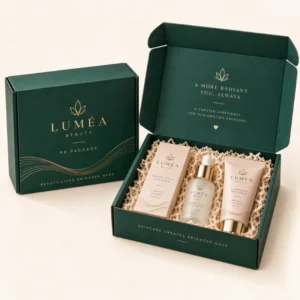
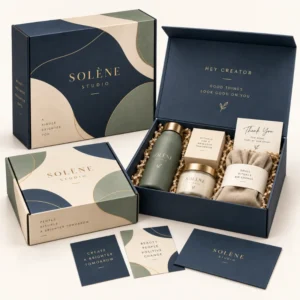
Custom PR packaging is the complete branded packaging used for press, creator and partner sends, including the outer box, sleeves, tissue, cards, inserts and any presentation elements inside. It is broader than a single PR box, because it covers everything a recipient sees, touches and photographs from delivery to opening. When those elements are designed together, the send feels coherent, the story is easy to understand, and the product is presented in a way that supports coverage and conversation.
What custom PR packaging covers
A PR packaging suite may start with an outer shipper that protects the contents, then a presentation box or mailer, then a sleeve or belly band, tissue, a fitted insert, a product card, a story card and a personal note. Each element has a job. The outer shipper protects finishes during delivery. The presentation box creates the reveal. The sleeve can carry a campaign message or a launch date. Tissue protects surfaces and adds a layer of anticipation. Cards carry facts, instructions and contact details that do not belong on the box itself. Designing those elements as a suite, rather than as separate items, avoids clashes in colour, tone and layout.
PR packaging is used for product launches, press previews, influencer seeding, retail buyer presentations, award entries, event gifting and partner thank you sends. The audience and the goal shape the suite: a press send may prioritise clear facts and a concise story, a creator send may prioritise photography and a memorable reveal, and a partner send may prioritise a personal note and a keepsake quality. A single suite can sometimes serve several audiences with a change of card or product selection, which keeps production simpler while still feeling tailored.
From a single box to a full suite
Start by deciding whether the campaign needs a single box or a suite. A single printed mailer with a card and tissue may be enough for a simple seeding send with one product. A multi product launch, a collection reveal or a high profile press preview may need a rigid box, a sleeve, layered inserts and several cards to tell the story in order. A suite should still feel simple to the recipient, even if it has several parts, because a complicated pack that is hard to open or reassemble can frustrate rather than impress.
Choosing the outer layer
The outer layer sets expectations before the presentation is seen. A plain outer shipper keeps the presentation pristine and adds an element of surprise, which can work well for a launch. A printed outer mailer, by contrast, announces the brand on delivery and may be photographed as part of the unboxing. Consider the delivery method, the finish on the inner box, and whether the recipient will share the outer layer online. A delicate foil or soft touch finish usually benefits from a plain protective outer, while a durable printed mailer can safely be the outer layer itself.
Print, colour and materials across a suite
Consistency across a suite is more important than decoration on any single item. Use the same colour palette, typography and logo treatment on the box, sleeve, cards and tissue where print is possible, but adapt each item to its size and purpose. A sleeve can carry a bold campaign design, while cards benefit from clear type and generous white space. Materials should feel coherent too: a matte rigid box with matte cards and paper tissue feels considered, while mixing many textures without a plan can feel disjointed. Choose materials that suit the product weight and the handling the pack will receive.
Paper, board and finishes that work together
Paperboard inserts, corrugated mailers, rigid board boxes, printed sleeves and tissue can all be part of one suite if their colours and finishes are coordinated. Foil, embossing and spot gloss can be used on a sleeve or a card to highlight a logo, while the main box remains restrained. Soft touch lamination can give a premium feel to a rigid box, but it should be protected in transit. Ask for samples of materials together, not in isolation, so you can see how the suite feels as a whole before approval.
Storytelling through custom PR packaging
PR packaging tells a story in a physical sequence. The outer layer introduces the brand, the sleeve or lid message sets the theme, the tissue creates a pause, the hero product provides the focus, and the cards explain the details. That sequence should match the story you want recipients to tell. If the product is about craftsmanship, the packaging should feel crafted, with considered materials and a slow, deliberate opening. If the product is about energy and fun, the packaging can be brighter, bolder and quicker to open, with a playful card or a surprising detail inside.
Cards are often the most useful storytelling tool in a suite, because they can carry information without cluttering the box. A story card can explain the inspiration, the ingredients, the materials or the maker in a few short paragraphs. A product card can list key facts, sizes, colours and availability in a clear layout. A personal note can thank the recipient and suggest a next step, such as trying the product, attending an event or contacting a named person. Keep each card focused on one purpose, so the recipient can find the information they need without sorting through several similar cards.
Personalisation at different scales
Personalisation can range from a printed name on a card to a fully tailored product selection for each recipient. A small campaign with a short recipient list can support handwritten style notes and individual product choices. A larger seeding campaign may use a printed name card and a standard product set, with a variable message for different recipient groups. Plan personalisation around packing capacity, because hand written notes, individual selections and variable cards all add time and increase the chance of an error if the packing process is not documented clearly.
Packing a PR suite consistently
A packing guide is essential for a PR suite, especially when several people pack or when a fulfilment partner is involved. Photograph each layer in order, label the position for each product and card, and note how tissue should be folded and how a sleeve should be placed. Check a finished pack after it has travelled in its outer shipper, and open it as a recipient would, to confirm the reveal still works. Consistent packing protects the brand experience, because recipients often compare packs online and notice differences.
Practical planning for custom PR packaging
Practical planning starts with the products themselves: dimensions, weights, fragility, temperature sensitivity and any items that need to stay upright. Those facts determine insert design, box structure and outer protection. Next, confirm the recipient list, delivery addresses, dispatch window and any embargo or event date. Then work backwards from dispatch to artwork approval, sampling and production, allowing time for insert testing and for packing. Rigid and specialist packaging has lead times of 13 to 16 working days after final artwork approval, while standard boxes are 10 to 14 working days and corrugated boxes are 12 to 15 working days. Those times are planning guidance after approval, not guaranteed delivery dates.
Budget planning for PR packaging should consider the whole suite, not just the box. Sleeves, tissue, cards, inserts, outer shippers and hand packing all contribute to the total effort and cost, even though this site works on a quote basis and no prices are stated here. A simpler suite with a strong box and one excellent card can be more effective than an elaborate suite with many weak elements. Prioritise the elements that recipients will photograph and remember, and simplify or remove elements that do not support the story.
Sustainability and reuse
A PR suite can be premium without being wasteful. Paper based inserts, recyclable board, paper tissue and a box that can be reused for storage all help. Avoid plastic windows, mixed material laminates and decorative items that will be discarded immediately, unless they serve a clear purpose. If a box is designed to be kept, make that intention clear with a short note or a useful second purpose, such as a storage tray or a display stand. A factual sustainability note, based on the actual materials, is more credible than a general claim.
Measuring a PR packaging campaign
Measure a campaign by delivery, content, feedback and follow up, rather than by expecting a guaranteed outcome. Track how many packs arrived intact, how many recipients posted content or replied, what they said about the product and the packaging, and whether press or retail conversations followed. Save examples of content and feedback, and note which packaging elements were mentioned most. That record helps the next campaign focus on what worked, whether it was the reveal, the card, the insert or the overall simplicity of the suite.
Ordering custom PR packaging
A brief for PR packaging should list every product in the pack, the recipient types, the desired suite elements, print areas, finishes, insert needs, quantities and dispatch timing. Include photographs or samples of products, because insert and sleeve design depend on exact shapes and weights. Review a full sample suite, not just a single box, and check it with real products, in its outer shipper, after a simulated delivery if possible. Approve artwork and materials only when the whole suite feels coherent, protects the products and opens in the intended order.
Keep the approved specification, packing guide and recipient list together for future campaigns, so a repeat or a related send can build on what worked. If the campaign will run in phases, plan production and packing in phases too, so early feedback can inform later packs without delaying the whole campaign. Good documentation turns a one off PR send into a repeatable brand asset.
Related options include custom PR boxes and custom presentation boxes. To discuss a suite, use get a quote for custom packaging or learn more on about Personalized Mailer Boxes.
Frequently asked questions about custom PR packaging
What is the difference between PR packaging and a PR box
A PR box is a single presentation box, while PR packaging is the full suite around it, including sleeves, tissue, cards, inserts and the outer shipper. A suite is useful when a campaign needs several elements to tell a story in order.
What should be included in a PR packaging suite
Include a presentation box or mailer, a fitted insert, a product card, a story card and a personal note as a starting point. Add a sleeve, tissue or belly band only where it improves protection, presentation or storytelling.
Can PR packaging be used for small campaigns
Yes, a simple suite with a printed mailer, tissue and a well written card can work for a small, targeted send. Focus on one hero product and a clear story, rather than adding many elements that complicate packing.
How do I make PR packaging sustainable
Use paper based inserts, recyclable board and paper tissue, avoid unnecessary plastic, and design a box that can be reused or recycled easily. Base any sustainability wording on the actual materials you choose.
How long does custom PR packaging take after artwork approval
Standard boxes are 10 to 14 working days, corrugated boxes are 12 to 15 working days, and rigid or specialist packaging is 13 to 16 working days after final artwork approval. Allow extra time for a full suite sample and hand packing.