
custom postal boxes
Showing all 4 results
-
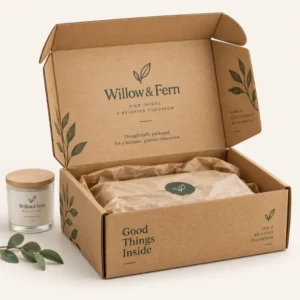
Custom Kraft Postal Boxes
Get a Quote -
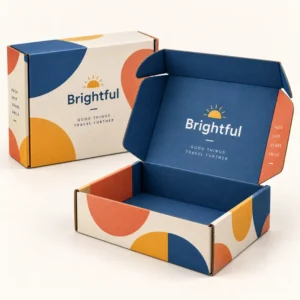
Custom Mailing Boxes
Get a Quote -

Custom Postal Boxes
Get a Quote -
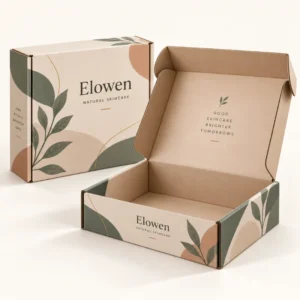
Printed Postal Boxes
Get a Quote
Custom postal boxes are corrugated boxes printed with your own design and made in a style and size that suits the products you send. They protect goods in transit, present your brand on arrival, and give packing teams a reliable, repeatable format for everyday orders. Because the print, board, closure and size are chosen together, a custom postal box can work harder than a plain box, without adding complexity to the packing process.
What custom postal boxes include
A custom postal box starts as a flat sheet of corrugated board that is cut, creased and printed to a specific design. The board usually has a fluted middle layer that absorbs knocks and helps the box resist crushing when parcels are stacked. The outer liner can be kraft for a natural look or white for brighter print. The inside can be left plain, printed with a message, or fitted with a card insert that holds the product in place and improves the opening experience.
Print is what turns a functional postal box into a brand asset. A logo on the top panel helps a customer recognise the parcel at a glance. A pattern or colour block can make the box stand out in unboxing photographs. A short message inside the lid, such as a thank you or a care instruction, adds warmth without needing a separate card. The key is to design for the panel sizes and the board colour, so the finished box looks intentional rather than crowded.
Postal box styles explained
Postal boxes come in several well established styles, each with a different balance of packing speed, strength and presentation. Tuck in flap boxes close by folding flaps into the body, which gives a tidy finish and suits lighter items. Crash lock boxes have a base that pops into shape, which speeds assembly for high volume packing and gives a firm base for heavier goods. Peel and seal boxes have an adhesive strip under the lid, which seals quickly and gives a neat, tamper evident finish. Book style boxes fold around flat items such as books, prints and framed pieces, and are useful when depth matters less than length and width.
Choosing a style for your packing line
Think about who packs the boxes and how many are packed each day. A crash lock base can save seconds on every order, which adds up across hundreds of parcels. A peel and seal lid can reduce tape use and give a consistent seal even when different people pack. A tuck in style can suit a small team that values presentation and resealability. Test each style with your actual products, because a style that looks good on paper can be awkward if the product is heavy, bulky or unusually shaped.
Board strength and product protection
Board strength should follow product weight, fragility and journey length. Single wall board is light, economical and suitable for clothing, soft goods, books and many consumer products. Double wall board adds a second fluted layer, which increases crush resistance for heavier items, multi item orders and goods that travel through several handling stages. For very fragile goods, board strength alone is not enough; a fitted insert, divider or paper cushioning is also needed to stop movement and absorb impact.
Testing a postal box before a full run
A practical test is worth more than a specification sheet alone. Pack the product as it will travel, seal the box as your team normally would, and check for movement, bulging and ease of opening. Drop the packed box from a low height onto a firm surface in a controlled test, then inspect the product and the box for damage. Repeat the test with the heaviest product in your range, because a box that works for a light item may fail for a heavy one. Record the result and keep the tested sample as a reference for future orders.
Sizes and fit for custom postal boxes
Fit is a balance between protection and efficiency. A box with too much empty space needs filler, increases postage size and can let the product slide around. A box that is too small can damage the product, strain the seal and slow packing. Start by measuring the product, then add the protection you plan to use, then choose a box that holds the packed product snugly. If you send a wide range of products, two or three well chosen sizes may cover most orders better than a single size that fits nothing perfectly.
Postal size bands also influence fit. A small parcel under Royal Mail guidance has a maximum size of 450mm by 350mm by 160mm, while a large letter is limited to 353mm by 250mm by 25mm. Designing a box to sit inside a band can help with postage planning, but the packed size is what counts, including tape and any bulge from filler. If a product regularly pushes a box over a band limit, a slightly different box shape or a thinner protection method may be more effective than simply accepting the larger size.
Inside the box: inserts, dividers and tissue
Inserts turn a generic box into a fitted home for a product. A card insert with a cut out can hold a bottle, jar or device in a fixed position, so it does not move in transit and looks considered on opening. Dividers separate multiple items, which is useful for sets, gift packs and multi product orders. Tissue adds a layer of presentation and can protect surfaces from scuffs. Choose inserts that are easy for packers to use, because a complicated insert that slows packing will be skipped under pressure, even if it looks good in a sample.
Presentation without overpacking
Good presentation does not require many layers. A single well fitted insert, a sheet of tissue and a short printed message often create a better opening experience than a box filled with loose material. Overpacking can also make recycling harder and can suggest wastefulness to the recipient. Aim for a pack that opens in a clear order: lid, message, product in its insert, then any smaller items or cards beneath. That order helps the recipient understand the contents at a glance.
Who uses custom postal boxes
Ecommerce retailers are the most common users, sending clothing, cosmetics, homeware, stationery, food gifts, books and subscription products in printed postal boxes. Fulfilment centres use them for repeatable packing across many clients, because a consistent box style and size makes training and quality checks easier. Publishers and print sellers use book style boxes for flat items, while makers and craft sellers use smaller postal boxes for handmade goods that need a professional finish. Trade senders use printed postal boxes for samples, parts and kits, where a logo and a clear label matter more than elaborate presentation.
Custom postal boxes also suit one off campaigns, such as product launches, event packs and seasonal gift sets. A limited design for a campaign can create excitement without changing the everyday box, especially if the campaign box uses the same size and board as the standard box. That approach keeps packing familiar while giving the campaign a distinct look. For regular senders, a consistent everyday design builds recognition over time, which is often more valuable than frequent design changes.
Print, colour and brand consistency
Brand consistency across packaging, website and social media helps customers trust a business. Use the same logo, colour palette and tone of voice on the box as elsewhere, but adapt the layout to the box panels. Large areas of colour can look striking on the outside, while the inside benefits from restraint, with one message and plenty of clear space. Check colour on the actual board, because kraft will soften light colours and white board will keep them brighter. A proof or sample is the best way to confirm colour before a full run.
Artwork mistakes to avoid
Common artwork mistakes include text that is too small to read on board, logos placed where a label or tape will cover them, and designs that do not allow for folds and creases. Keep essential branding away from fold lines where possible, and leave a clear area for the delivery label on the top or side panel. Check spelling, web addresses and contact details carefully, because a printed error will appear on every box in the run. Approve artwork only after checking it at real size and with the product inside a sample box.
Ordering custom postal boxes
An order brief should cover product sizes, packed weights, preferred style, board type, print areas, quantity and deadline. With that information, a quote can reflect the real specification and avoid later changes. Standard lead times after final artwork approval are 10 to 14 working days, while corrugated boxes are 12 to 15 working days. Those times are planning guidance after approval, not a guaranteed delivery date, so allow time for proofing and for any artwork revisions.
When a sample arrives, check it as a packer and as a customer. Assemble it, fill it, seal it, label it and open it again. Note anything that feels awkward, slow or unclear, and raise it before approval. Keep a copy of the approved specification, including style, board, print areas and size, so reorders match the original run. A well documented first order makes every later order faster and more reliable.
Explore related options in custom postage boxes and custom postage boxes UK. For postal size guidance, see the Royal Mail UK parcel and letter services guide. When ready, use get a quote for custom packaging.
Frequently asked questions about custom postal boxes
What style of postal box should I choose
Choose from packing speed, product weight and presentation. Crash lock bases suit high volume packing, peel and seal lids suit quick neat sealing, and tuck in flaps suit presentation and resealability. Test styles with your real products before deciding.
Can I print on the inside of a postal box
Yes, inside print is available for many styles and works well for a welcome message, care instructions or a short brand statement. Keep inside text short and the layout clear, because it is viewed at close range.
How do I avoid a box that is too big for my product
Measure the product with its protection in place and choose the smallest box that holds it snugly. Use a fitted insert where loose fill would otherwise be needed, and test a packed sample before ordering in volume.
Are postal boxes supplied flat
Most corrugated postal boxes are supplied flat for storage and transport, then assembled at the packing station. Flat supply saves warehouse space and makes stock handling easier for small and large teams alike.
How long do custom postal boxes take after artwork approval
Standard lead times after final artwork approval are 10 to 14 working days, while corrugated boxes are 12 to 15 working days. Confirm timing at quote stage for your exact style and quantity.