
custom postage boxes uk
Showing the single result
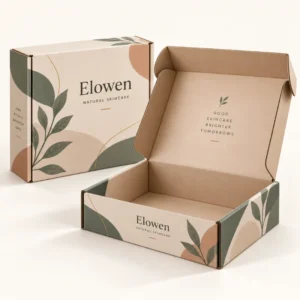
Custom postage boxes UK are printed posting boxes supplied for sellers based in the United Kingdom, with sizes, board choices and artwork support shaped around UK postal practice. They help a UK brand post orders that look professional on arrival, protect goods through UK sorting and delivery networks, and stay within familiar postal size bands. For many sellers, working with a UK focused specification also makes sampling, artwork approval and reordering simpler to manage.
Why custom postage boxes UK suit British sellers
A UK seller often posts a mix of orders: single items to homes, multi item orders to offices, and repeat subscription parcels to loyal customers. A printed postage box gives all of those parcels a consistent identity, so a customer recognises the brand before opening the box. That consistency matters in a crowded online market, where the parcel may be the only physical contact a customer has with the business. A clean logo, a clear colour palette and a tidy closure can signal care and reliability without needing extra inserts or elaborate packaging.
UK focused supply also helps with practical planning. Lead times, artwork approval and delivery to a UK packing location are easier to coordinate when the specification is built around UK working days and UK postal bands. Standard lead times after final artwork approval are 10 to 14 working days, while corrugated boxes are 12 to 15 working days. Those figures are planning guidance after approval, not a guaranteed delivery date, so sellers with a launch or a seasonal peak should start artwork early and confirm timing at quote stage.
Matching boxes to UK postal bands
UK postal bands reward careful sizing. A large letter is limited to 353mm by 250mm by 25mm, a small parcel has a maximum size of 450mm by 350mm by 160mm, and a parcel can be up to 61cm by 46cm by 46cm under Royal Mail business services. If a packed box sits just over a limit because of a bulging flap or thick void fill, the postage outcome can change. Measuring the finished parcel, with tape, label and protection included, is therefore a routine worth building into packing checks, especially for products that vary in thickness such as folded clothing or bundled stationery.
Letterbox friendly designs for UK homes
Many UK customers prefer a parcel that fits through a letterbox, because it avoids a missed delivery and a trip to collect an item. Slim postal boxes for flat products, such as prints, books, sample packs and folded garments, can meet that need when the packed depth stays within the relevant band. Design the box around the flattest safe pack, test it with the real product, and keep the closure flat so the parcel does not bow outward. A letterbox friendly pack is not right for every product, but for suitable items it can improve first time delivery and customer satisfaction.
Board and print choices for the UK market
Kraft board gives a natural, warm look that suits artisan brands, food sellers, garden suppliers and makers. White board gives a brighter base for colour, which suits beauty, stationery and gift brands that rely on precise colour and fine detail. Single wall board is usually enough for light parcels, while double wall board gives extra protection for heavier goods such as ceramics, tools, books in bulk and multi item hampers. Print can be a restrained single colour design for a trade focused brand, or a full colour design for a consumer brand that wants the parcel to photograph well.
Design details that work well in the UK
UK customers read a parcel quickly, so the most important information should be easy to find. A clear brand mark on the top panel, a short message on the inside lid, and a returns or care note in a logical place all help. Avoid cluttering the outside with long text, because the delivery label, postage marks and handling notes will also appear on the parcel. Keep the design calm, test it at real size, and check that small text remains legible after printing on board rather than on screen.
Custom postage boxes UK for different seller types
Marketplace sellers in the UK often need a box that works across many product types without a separate design for each listing. A neutral brand design in two or three sizes can cover most orders, with inserts or tissue used to adapt the fit for different items. Independent online shops, by contrast, may want a distinctive design that matches their website and social media, because the parcel is an extension of the shop itself. Subscription sellers need a box that opens well on camera, holds a changing mix of items securely, and can be resealed or recycled easily by the recipient.
UK charities, schools, clubs and small producers also use printed postage boxes for membership packs, fundraising gifts, seed kits, craft kits and local food parcels. In those settings, a printed box can carry a logo, a short welcome note and a clear instruction for the recipient, which makes the parcel feel personal even when many identical parcels are sent. For business senders, a restrained design with a logo and a handling note can suit samples and trade orders without looking like consumer retail packaging.
Seasonal peaks and UK selling calendars
UK selling peaks around Christmas, Black Friday, Mothering Sunday, Father’s Day and back to school periods put pressure on packing teams and on postal networks. Ordering printed boxes ahead of a peak, keeping a buffer of the most used sizes, and approving artwork before the rush all reduce stress. A design that works for both everyday orders and a seasonal campaign, perhaps with a changeable insert card rather than a whole new box, can save time and storage space. Plan reorders around the lead times above, and keep a record of the approved specification so a repeat run matches the original.
Preparing for a busy period
Before a peak, test the packing process with the real team and the real products. Time how long it takes to assemble, fill and seal each size, check that labels sit flat on the chosen panel, and confirm that inserts do not slow packing unnecessarily. A short packing guide with photographs can help temporary staff pack consistently. Stock checks should cover boxes, tape, labels, tissue and inserts together, because running out of one small item can stall an otherwise ready packing line.
Recycling and responsible choices in the UK
Corrugated board is widely collected for recycling across the UK, and many customers expect packaging to be easy to recycle at home. A paper based box, paper tape where suitable, and paper inserts make recycling straightforward and avoid mixed materials that confuse disposal. If you use a plastic free design, say so briefly and accurately on the inside of the box, rather than making a broad environmental claim that the specification cannot support. Ask for board details at quote stage, including recycled content where available, so any claim you print matches the finished product.
Reducing excess packaging is also a practical UK concern. A box that fits the product well needs less void fill, takes up less space in a delivery vehicle, and looks more thoughtful to the recipient. Right sizing does not mean squeezing a product into a box that risks damage; it means choosing the smallest safe size and using a fitted insert where loose fill would otherwise be needed. That approach protects the product, supports recycling and keeps postage planning more predictable.
Ordering and artwork approval in the UK
A good UK order starts with clear information: product dimensions, packed weight, typical order mix, desired print areas and quantity. Share photographs of products packed in a plain box if you can, because they help a supplier understand fit and protection needs better than dimensions alone. Review a proof carefully for spelling, colour and panel layout, and check the sample with the actual product inside before approving. Keep the approved artwork and specification on file, so reorders are consistent and artwork does not need to be recreated from scratch.
Questions to ask before you approve
Ask whether the box will be supplied flat, how the closure works, what board will be used, and which panels will be printed. Ask how colour will appear on kraft compared with white board, and whether inside print is available for your chosen style. Confirm lead time after final artwork approval and what counts as final approval in your order. Clear answers at this stage prevent delays and help you plan a launch or a seasonal campaign with confidence.
For UK postal size guidance, see the Royal Mail UK parcel and letter services guide. Related packaging includes custom postage boxes and custom postal boxes UK. To start your order, visit get a quote for custom packaging or browse shop all packaging.
Frequently asked questions about custom postage boxes UK
Are custom postage boxes UK made for Royal Mail sizes
They can be sized with UK postal bands in mind, including large letter, small parcel and parcel sizes. Always measure the finished packed parcel, because tape, fill and product thickness all affect the final size.
What board should a UK ecommerce seller choose
Single wall board suits light and medium orders, while double wall board suits heavier or fragile goods. Kraft suits a natural look and white board suits brighter colour, so choose from product weight and brand style together.
Can a UK seller order a small run first
Many sellers start with a modest run to test size, print and packing speed before committing to a larger repeat order. Discuss quantity, proofing and lead time at quote stage so the first run matches your launch plan.
Do printed postage boxes help with returns in the UK
A box with a resealable closure or a clear returns note can make returns easier for customers. Choose the closure at design stage if returns are a regular part of your business.
How long do custom postage boxes UK take after artwork approval
Standard lead times after final artwork approval are 10 to 14 working days, while corrugated boxes are 12 to 15 working days. Confirm timing for your specification at quote stage, especially before a seasonal peak.