
custom candle gift boxes
Showing the single result
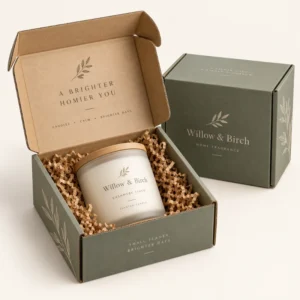
Custom candle gift boxes turn a single candle into a present that feels complete before it is even opened. In custom candle gift boxes, sizing, print and finish work together so the opening feels deliberate, calm and special. That combination matters because candles are so often bought for birthdays, weddings, thank you gifts and seasonal occasions where the packaging is part of the message.
Why choose custom candle gift boxes for gifting
A gift box does more than hold a candle. It sets expectation, protects a fragile jar or tin, and gives the giver confidence that the present will arrive looking as good as it did in the shop. When the fit is snug, the candle cannot rattle or tip, and when the print is clear, the scent name, burn guidance and brand story are easy to find. For makers who sell through markets, shops and online orders, a consistent gift box also makes every candle recognisable, even when the scent inside changes.
Start with the occasion. A wedding favour needs a different mood from a winter set, and a thank you gift for a client needs a different tone from a birthday present for a friend. Colour, finish and message can shift between ranges while the box structure stays familiar, which keeps packing simple and keeps repeat customers able to recognise your work at a glance. If you are unsure where to begin, browse related options such as custom candle packaging and custom candle packaging boxes to compare structures before you settle on a gift format.
Gift formats that suit different candles
Jar candles suit a lidded box with a firm base, because glass is heavy and the lid adds a sense of ceremony. Tin candles suit a shallower box with a neat sleeve or a close fitting lid, because the tin itself is already light and easy to handle. Pillar candles need height and a base that stops the candle rolling, while a set of two or three smaller candles needs dividers so each vessel stays separate. Wax melts and tealights suit smaller gift boxes with compartments, which stop the pieces moving and keep the set looking tidy when the lid lifts.
Choosing between a lid, a sleeve and a window
A separate lid gives the strongest sense of occasion, and it works well for premium ranges where the box may be kept after the candle is gone. A sleeve over a tray is slimmer, easier to store flat, and ideal when you want a bold band of print without the cost of a fully printed rigid box. A window lets the buyer see colour, wax texture or a decorative label, which helps in shops where candles compete side by side, but a window is less suitable if the candle needs full protection from light or dust. Think about where the box will be seen first, in a shop, in a delivery parcel or in the hands of the giver, and let that moment guide the format.
Print, finish and colour for a gift feel
Print is where a gift box earns its keep. A simple logo in a single colour can look refined on kraft board, while full colour print suits illustrated ranges, seasonal artwork and photographic scent imagery. Foil adds a quiet shine to a logo or a scent name, embossing adds texture you can feel, and a matte finish softens bright artwork so it reads as calm rather than loud. Inside print is worth considering too, because a short message, a care note or a pattern on the inside of the lid turns the opening into a second reveal.
Keeping artwork readable at gift scale
Gift boxes are often smaller than shipping boxes, so text needs room to breathe. Keep the scent name large, keep burn and safety guidance legible, and avoid crowding the front panel with too many messages. One clear brand mark, one scent name and one short line of supporting text usually read better than a front panel filled edge to edge. Check artwork at actual size before approval, because a design that looks spacious on screen can feel cramped once it is printed on a small box.
Materials, inserts and protection inside a gift box
Cardboard and paperboard give a clean print surface and a light, elegant feel, while corrugated board adds strength for heavier glass jars and for gift sets that travel by post. Kraft board suits natural, rustic and soy candle ranges, because its warm brown tone signals simplicity and recyclability without extra decoration. White board suits bright, modern and luxury ranges, because colours print cleanly and foil stands out. Rigid board suits the most premium gift sets, because it holds its shape, feels substantial in the hand and protects the candle through handling in shops and at events.
Inserts are the quiet workhorse of gift packaging. A die cut card insert holds a jar centrally, a foam insert cushions a heavier vessel, and a divider keeps a set in order. Without an insert, even a beautiful box can let a candle slide, chip a label or crack a lid during transit. Measure the vessel at its widest point, including any lid, handle or decorative element, and allow a small clearance so the candle slides in without forcing the box. A sample with the real candle inside is the best test, because it shows fit, weight balance and how the box feels when it is lifted by the lid.
Sustainable choices that still feel like a gift
Many buyers now judge a gift by its packaging as well as its contents, and a box that can be recycled or reused is part of that judgement. Recycled board, water based inks where suitable, and a design that avoids unnecessary plastic windows all help a gift box feel responsible without feeling plain. A simple printed note inside the box can explain how to recycle or reuse it, which is more helpful than a vague claim on the outside. Brands that place packaging on the UK market should also be aware of producer responsibilities, and the GOV.UK guidance on extended producer responsibility for packaging explains who must comply and what reporting involves.
Reuse, recycling and honest claims
If a gift box is sturdy enough to be kept for storage, say so plainly and design it to earn that second life, with a lid that closes cleanly and print that will not date quickly. If the box is meant to be recycled, choose materials and finishes that support that route and avoid mixed materials that complicate sorting. Honest wording builds trust faster than broad green claims, especially for candle buyers who already care about ingredients, wax type and scent origin.
Ordering, sizing and timing for gift ranges
Ordering gift boxes starts with three facts: the exact vessel size, the number of candles per box, and the occasion or season the box must serve. Share the height, diameter and weight of the candle, plus a photo or a sample if possible, because a few millimetres of difference can change the insert and the lid fit. Decide whether you need one versatile gift box for a whole range or separate boxes for single candles, pairs and larger sets, because a single versatile size can reduce stock and simplify packing, while dedicated sizes look more tailored.
Standard lead times after final artwork approval are 10 to 14 working days, with corrugated options at 12 to 15 working days and rigid or specialist options at 13 to 16 working days. Those times are a planning guide, not a guaranteed delivery date, so allow extra time for seasonal launches, weddings and festive ranges. Proofing is the stage where most delays are avoided, so check spelling, scent names, safety text and colour before you approve, and confirm that the insert matches the candle you actually sell, not an earlier version of it.
What to include in your quote request
A clear quote request saves back and forth and helps you compare options fairly. Include vessel dimensions, candle type, quantity per box, preferred board and finish, whether you need an insert, window or sleeve, and the artwork you already have. If you need help shaping the brief, you can request a quote with those details, and you can also check the delivery information page for planning guidance. For a broader view of the business, the about the business page explains the approach behind the range.
A practical checklist before approval
Before you approve artwork, confirm the scent name, the burn guidance, the brand mark and the insert fit, and pack one real candle in a sample box and lift it, tilt it gently and open it as a customer would. That simple test reveals a loose insert, a lid that lifts too easily or a label that catches on the box edge, all of which are easier to fix before a full run than after delivery to customers.
Frequently asked questions
What candle types suit custom candle gift boxes?
Jar candles, tin candles, pillar candles, wax melts and small gift sets all suit gift boxes, provided the box and insert are sized to the vessel. Glass jars need the most protection, tins need a neat close fit, and sets need dividers so each piece stays in place.
Can I print different scents in the same gift box range?
Yes. Many brands keep one gift box structure and change only the scent name, label or sleeve artwork between scents. That keeps the range recognisable, simplifies stock and still gives each scent its own identity.
Do gift boxes need an insert?
An insert is strongly advised for glass jars and for sets, because it stops movement and protects labels and lids. For a single light tin in a very close fitting box, an insert may be less essential, but a sample test will show whether the candle stays put without one.
How do I choose between kraft board and white board?
Kraft board suits natural and rustic ranges and gives a warm, simple look with single colour print. White board suits bright artwork, photographic imagery and foil finishes, because colours stay clean and details stay sharp.
How far ahead should I order gift boxes for a seasonal range?
Allow time for artwork, proofing and production after final artwork approval, using 10 to 14 working days for standard boxes as a planning guide and longer for rigid or specialist formats. Order earlier for festive and wedding seasons, when demand and delivery volumes rise.