
cardboard boxes for postage
Showing the single result
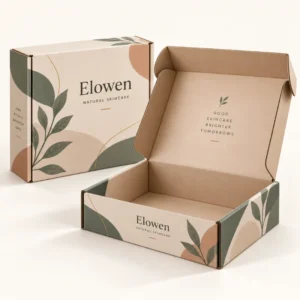
cardboard boxes for postage are the everyday workhorse of mail order and personal sending in the UK: strong corrugated boxes, supplied flat, that fold into parcels for books, clothing, gifts, homeware and small business orders. They come in a wide range of sizes, from slim boxes for flat items to deep boxes for bulkier goods, and they suit Royal Mail and courier services alike when the size and weight are chosen with care. For anyone sending regularly, keeping a small range of well chosen sizes on the shelf makes packing faster and more consistent.
The range matters because no single box suits every parcel. A slim box keeps a flat order tidy, a cube box suits a compact gift, and a long box suits items that cannot bend. Choosing from a range, rather than forcing every order into one size, protects products better and often keeps parcels in a lower postage band.
What cardboard boxes for postage include
The range includes single wall and double wall corrugated boxes, postal boxes with a shallow profile, and deeper shipping cartons for larger orders. Single wall boxes are light and economical for everyday parcels, while double wall boxes give extra strength for heavy or fragile goods and for parcels that may be stacked. All of them share the same basic job: hold the contents securely, resist crushing, and present a flat face for a label.
Single wall and double wall board
Single wall board has one fluted layer between two flat layers, which is enough for most light and medium parcels. Double wall board has two fluted layers, which makes the box stiffer and better able to carry weight and resist stacking pressure. If a parcel feels heavy when lifted, or if the contents could break, double wall board is usually the safer choice.
Flute and kraft finishes
Flute size affects how the board cushions and how smooth the outer face feels, while a kraft finish gives a natural brown look that takes labels and handwriting well. White board gives a brighter look for printed labels and branded tape. Either finish works for postage, so choose the one that fits your presentation and your labelling method.
Choosing sizes across the range
Start by listing your most common parcels, with internal measurements for each product plus its usual cushioning. Then match those parcels to box sizes, aiming for a close fit with room for protection where it is needed. A range of four or five sizes often covers a whole catalogue, while a single size usually means some parcels travel with too much empty space and others are squeezed shut.
Slim, cube and deep boxes
Slim boxes suit clothing, books, documents and flat gifts, and they store flat without taking much shelf space. Cube boxes suit compact items such as candles, mugs in protective packaging, cosmetics sets and small electronics. Deep boxes suit bulkier orders, multi item parcels and items that need cushioning on every side. For a single parcel rather than a stocked range, see cardboard box for postage on this site.
Measuring internal size correctly
Box sizes are usually given as internal measurements, so measure your product and compare it with the inside of the box, not the outside. Allow a little room for cushioning on fragile items, and test the fit with a real product before ordering in quantity. A box that looks right on paper can still fail if a flap is short or a product has an awkward handle or lid.
Packing boxes for postage well
Good packing follows the same routine for every parcel: tape the base, add a cushioning layer, place the item centrally, fill gaps, close the lid and tape the seams. That routine keeps items from shifting, protects corners, and gives the parcel a tidy shape that stacks well. It also makes training easier, because every packer follows the same steps.
Cushioning and void fill
Use cushioning that suits the item: paper void fill for general protection, bubble wrap or foam for fragile goods, and dividers for parcels with more than one item. Fill gaps fully but do not overfill to the point where the lid bulges, because a bulging lid can split in transit and can make the parcel hard to stack. Paper based void fill keeps the whole parcel easy to recycle.
Sealing, labelling and weighing
Seal every seam with strong packing tape and place the label on the largest flat face, clear of folds and tape edges. Weigh and measure the finished parcel before buying postage, and keep proof of posting for every parcel. The Royal Mail guidance on sending small parcels explains maximum small parcel sizes and gives clear advice on sturdy boxes, tape and labels.
Stocking boxes for a business
Businesses that post regularly benefit from a simple stock system: a labelled shelf for each box size, a note of the products each size suits, and a reorder point so stock never runs out during a busy week. Flat packed boxes store well, but keep them dry and away from damp floors, because damp board loses strength even if it looks dry again later.
Reducing damage and returns
Most transit damage comes from movement inside the box, from crushing under heavier parcels, or from a weak base seam. A close fit, the right board strength and a fully taped base address all three causes at once. Review any damaged parcels you receive back, note the box size and the packing method, and adjust the range or the routine rather than simply replacing the box.
Recycling and sustainability
Cardboard boxes for postage are widely recyclable when clean and dry, and many are made with recycled content. Encourage customers to flatten and recycle the box, and use paper tape and paper void fill where you can so the whole parcel stays simple to recycle. That approach suits customers who judge a brand partly by its packaging choices.
Printed postal boxes
Printed boxes can carry a logo, a simple pattern or a message that makes a parcel recognisable, while plain boxes keep costs and lead times simpler for high volume sending. If you print, keep the label area clear and check that print does not sit across a fold where it could crack or distort. For a branded mailer style alternative, see cardboard box mailers on this site.
For printed corrugated packaging, the site gives lead times after final artwork approval at 12 to 15 working days. Use that as a planning guide rather than a guaranteed date, and allow time for proofing. To discuss printed sizes and quantities, use the request a quote page.
Frequently asked questions
What is the difference between a postal box and a shipping carton?
A postal box is usually a shallower, lighter box designed for single parcels through the post, while a shipping carton is often deeper and stronger for courier transport and stacking. Many boxes can serve both purposes if the board strength and size suit the journey.
How many box sizes should I stock?
Most small businesses manage well with four or five sizes that cover their most common parcels. Start with your best selling products, match a box to each, and add sizes only when a product regularly travels in a poor fit.
Are double wall boxes always better?
Not always. Double wall boxes are stronger, but they cost more and weigh more than single wall boxes. Use them for heavy, fragile or valuable parcels, and use single wall boxes for light everyday orders.
Can cardboard boxes for postage be recycled?
Yes, when they are clean and dry, they can go in paper and card recycling in most UK areas. Remove tape and labels where practical and flatten the box before recycling.
Should I weigh a parcel before posting?
Yes, especially when buying postage online. An incorrect weight or size can delay delivery or lead to a surcharge, so weigh and measure the finished, sealed parcel.