
cardboard box for postage
Showing the single result
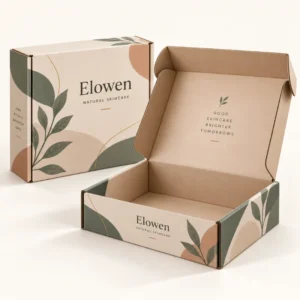
A cardboard box for postage is a single sturdy box chosen for one parcel journey, sized to the item inside and strong enough for sorting, stacking and delivery. It protects the contents from crushing and knocks, gives a flat face for the label, and seals cleanly so the parcel stays shut from collection to doorstep. The right box is rarely the largest one on the shelf; it is the one that fits well and leaves little room for the contents to move.
People search for one box at a time when they have a gift, a return, a sale or a single order to send. That makes the choice personal and practical: what is inside, how heavy is it, how far is it going, and which postal service will carry it. Answer those four questions first and the box choice becomes straightforward.
What makes a good cardboard box for postage
A good postal box uses corrugated board, folds squarely, and closes without bulging. Corrugated board gives strength without much weight, which matters when postage is charged by size and weight. A box that assembles cleanly also packs faster, because the packer is not fighting with flaps that will not meet or a base that needs extra tape to stay shut.
Board strength in simple terms
Single wall board suits light and medium items such as clothing, books, toys and homeware. Double wall board suits heavier, fragile or valuable items, and parcels that may sit at the bottom of a stack. If you are unsure, choose the stronger board for a heavy item rather than risking a split seam on a long journey.
Weight, size and postage bands
Postal services charge by size band and weight, so a box that is far larger than the item can push a parcel into a higher band for no benefit. Measure the finished parcel after packing and sealing, then check it against the limits of your chosen service. The Royal Mail guidance on sending small parcels sets out maximum sizes for small parcels and practical advice on sturdy boxes and sealing.
Choosing a cardboard box for postage for one item
Start with the item, not the box. Measure length, width and height, add room for cushioning if the item is fragile, and then look for the smallest box that still allows the flaps to close flat. A snug box protects better than a roomy one, because the item cannot build up speed inside the parcel before it hits a wall.
Matching the box to the item type
Soft items such as clothing can go in a shallow box with little cushioning, while a mug, a candle or a piece of electronics needs space around it for protective material. For a flat item such as a book or a print, a rigid mailer may be a better fit than a deep box. See cardboard book mailers for flat printed items that need rigid protection without a deep box.
When to size up
Size up when the item is fragile, when it has protruding parts, or when cushioning is essential on every side. In those cases, the extra space is not waste; it is the protective layer. Fill any remaining gaps with paper or another cushioning material so the item stays centred and does not shift.
Packing a single parcel well
Packing well is mostly about order and care. Tape the base securely, place cushioning at the bottom, set the item in the centre, fill the sides and top, then close and tape the lid. A parcel packed in that order is far less likely to open or to let the item move than one packed in a hurry with the item resting against a wall.
Sealing and labelling
Use strong packing tape across the base and the lid, along every seam, and press it flat so it bonds fully. Place the delivery label on the largest flat face, clear of folds, tape edges and the seal, and add a return address so the parcel can come back if delivery fails. A waterproof label cover or a strip of clear tape over a paper label helps the address survive rain and handling.
Common packing mistakes to avoid
The most common mistakes are a box that is too large, cushioning only on one side, and a label placed over a fold where it can crease and fail to scan. A quick final check solves all three: shake the parcel gently, look at the label face, and confirm that no flap lifts when you press the seal.
Posting the parcel
Once the box is sealed and labelled, weigh it and measure it if you are buying postage online, because an incorrect weight or size can delay delivery. Drop the parcel at the right point for your service, keep proof of posting, and share tracking details with the recipient where the service provides them. If the item is valuable or time sensitive, choose a tracked or signed service rather than the cheapest untracked option.
Returns and repeat sending
If you send similar items often, keep a note of the box size, the board strength and the cushioning that worked for each product type. That note becomes a simple packing guide for anyone else who packs orders, and it keeps quality steady when you are busy. A box that survives one journey in good shape can often be reused for a return, provided it is still clean, dry and structurally sound.
Printed boxes and presentation
A plain box is perfectly professional, but a printed box can carry a logo or a short message that makes the parcel recognisable before it is opened. Keep print clear of the label area and the tape seams, and choose a design that stays legible on kraft board. If you plan a printed run, confirm the box size and the print area together so the design does not sit awkwardly across a fold.
For printed corrugated packaging, the site gives lead times after final artwork approval at 12 to 15 working days. Use that as a planning guide rather than a guaranteed date, and allow time for proofing and artwork changes. To explore printed options, visit the request a quote page with your box size and quantity in mind. For the full range of postal boxes in quantity, see cardboard boxes for postage on this site.
Frequently asked questions
What size cardboard box for postage do I need?
Choose the smallest box that fits your item plus any cushioning and still closes flat. Measure the item first, then check the internal size of the box, not just the outer size.
Is single wall board strong enough for posting?
Single wall board suits light and medium items and most everyday parcels. Choose double wall board for heavy, fragile or valuable items, or for parcels that may be stacked under heavier goods.
Do I need cushioning inside a postal box?
Fragile items need cushioning on every side, with the item centred so it does not touch the box walls. Soft items such as clothing usually need little or no extra cushioning.
Where should I put the delivery label?
Put it on the largest flat face, clear of folds, seams and tape edges, so it can be scanned easily. Add a return address on the parcel in case delivery cannot be completed.
Can I reuse a cardboard box for postage?
Yes, if the box is still clean, dry and strong, with no crushed corners or torn flaps. Remove old labels and tape, check the base seam, and reseal it fully before posting.