
cardboard book mailers
Showing the single result
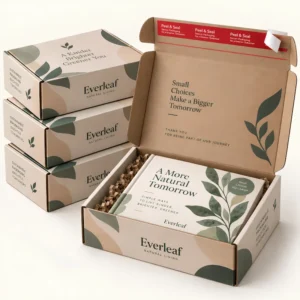
cardboard book mailers are rigid cardboard packs made to carry books safely through the post. They hold the book flat, guard the corners and spine against knocks, and seal securely so the parcel stays closed in sorting and transit. For booksellers, publishers and anyone sending a single valued title, they offer a practical balance of protection, light weight and a professional finish.
Unlike a padded envelope, a rigid mailer keeps its shape when other parcels press against it. That stiffness matters for books, because a bent cover or a creased page can spoil a sale even when the parcel arrives on time. A good mailer also makes packing faster, which helps when a shop is sending many orders in a day.
Why cardboard book mailers protect books so well
Books are heavy for their size, and their corners take the first impact when a parcel drops or slides. Cardboard book mailers answer that problem with a firm outer layer, a snug internal fit and flaps that fold over the contents. The result is a parcel that resists bending, keeps dust and light rain off the cover, and still feels easy to open at the other end.
Protection where books need it most
Corners and spines suffer most in transit, so a mailer should support them rather than leave them floating in empty space. A close fit stops the book moving from side to side, while the board absorbs small shocks before they reach the pages. For a hardback, a slightly larger mailer with a sheet of tissue or a thin layer of cushioning around the cover can add useful care without making the parcel bulky.
Choosing board strength for the title
A light paperback needs firm board but not the heaviest grade, while a large hardback or a set of books benefits from stronger corrugated board. Think about weight first, then thickness, then how far the parcel will travel. A short UK journey in a strong mailer is a different task from a long international route with several handling stages.
Sealing and opening without damage
Many cardboard book mailers use a peel and seal strip, which gives a clean closure without tape and saves packing time. A tear strip helps the recipient open the parcel without a knife near the cover. If you use tape as well, keep it on the outer seams and away from any printed cover art that could tear when the parcel is opened.
Types of cardboard book mailers
Not every book mailer works the same way. Some are flat rigid envelopes with a capacity fold that expands to the thickness of the book. Others wrap around the book and fold to its depth. Both styles can work well, and the right choice depends on the range of titles you send.
Rigid capacity mailers
A rigid capacity mailer looks like a strong envelope and expands to hold one book or a small stack. It suits booksellers who send a steady mix of paperbacks and thinner hardbacks, because the same mailer size can cope with a range of thicknesses. Labels sit flat on the smooth outer face, which helps scanning and delivery.
When a capacity mailer suits your orders
Choose this style when your books are fairly flat, when you want fast packing, and when you store packaging flat in a small space. It is also a good choice for catalogues, magazines, comics in protective sleeves and other flat printed items that need a rigid back and front.
Wraparound book mailers
A wraparound mailer folds around the book and adjusts to its depth, so there is less empty space inside the parcel. That close fit reduces movement and can keep the finished parcel slimmer, which may help with postage bands. For a full comparison of the wraparound style, see cardboard book wraps on this site.
Sizes and how to measure a book
Measure the book closed, with length, width and thickness in millimetres, and add a small allowance so the mailer closes without forcing the flaps. Measure a stack in the same way if you plan to send two titles together. A mailer that is only just large enough can split at the seal, while one that is far too large lets the book slide and gain speed before it hits an edge.
Common book sizes to plan around
Paperbacks in the familiar A format family, larger trade paperbacks and standard hardbacks each need a different mailer footprint. Keep a small range of sizes in stock rather than one size for everything, and test each size with your most common titles before you commit to a large order. A short packing trial will reveal problems with depth, flap length and label space far sooner than a busy sales week will.
Checking depth before you seal
Depth is the measurement most often missed. A mailer that fits the cover perfectly but cannot close over a thick spine is not the right mailer, however good the board may be. Fold the mailer around the book, check that the seal sits flat, and confirm that the finished parcel still meets the size limits of your chosen postal service.
Packing books for the post
Good packing starts with a clean, dry book and a mailer that fits. Place the book with its spine away from the opening edge where possible, so the most vulnerable part is not the first to meet a tear strip or a sorting belt. Add cushioning only where it helps, and keep the parcel tidy so the label stays readable.
A simple packing routine
Use a short routine and follow it for every order, so quality stays consistent when different people pack. Check the title and the order, place the book in the mailer, seal it fully, then add the label to the flattest face. A final check for bulging seals or exposed corners takes seconds and prevents many returns.
Labelling and returns
Put the delivery label on a flat area, clear of folds and seals, and add a return address on the parcel. If the parcel cannot be delivered, a clear return address saves time and protects the book from extra journeys. For more on posting parcels, see the Royal Mail guidance on sending small parcels, which covers sturdy boxes, sealing and labelling.
Printed cardboard book mailers and branding
Plain board suits many sellers, but a printed mailer can carry a logo, a short message or a simple pattern that makes the parcel recognisable. Print works best when it stays clear of the label area and the seal, and when colours stay legible on kraft board. If you are planning a printed run, agree the artwork and the mailer size together, because a design that fits one size may sit awkwardly on another.
For printed mailer boxes, the site gives lead times after final artwork approval, with corrugated orders at 12 to 15 working days. Treat that as a planning guide rather than a guaranteed date, and allow time for proofing and for any changes to the artwork. To discuss a printed design, visit the request a quote page and share your book sizes and order quantity.
Sustainability and recycling
Cardboard book mailers are widely recyclable in the UK when they are clean and dry, and many are made with recycled content. Remove tape and labels where practical before recycling, and tell customers that the mailer can go in paper recycling. That small note on an order insert or a packing slip helps a customer who wants to dispose of packaging responsibly.
Frequently asked questions
What are cardboard book mailers used for?
They are used to post books, catalogues, magazines and other flat printed items safely. The rigid board protects covers, corners and spines from bending and impact during sorting and delivery.
Are cardboard book mailers better than padded envelopes?
For most books they are, because rigid board resists bending and corner damage more effectively than a soft padded envelope. A padded envelope can suit a very light booklet, but a book with a printed cover usually benefits from a firm mailer.
How do I choose the right size?
Measure the closed book in length, width and thickness, then choose a mailer that closes comfortably around it. Test the fit with your most common titles and check that the seal sits flat before you order in quantity.
Can I send more than one book in a mailer?
Yes, if the mailer depth allows it and the books sit flat together without forcing the seal. Wrap the books as a single neat bundle so they do not move against each other, and check the finished parcel weight against your postal service limits.
Are cardboard book mailers recyclable?
Most are recyclable with paper and card recycling when clean and dry. Remove tape and labels where practical, and check local recycling guidance if the mailer has a plastic coating or a window.