
boxes for posting
Showing all 2 results
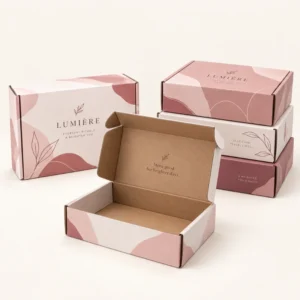

boxes for posting are the boxes you reach for when an item needs to go through the post, whether it is a gift for a friend, a return to a retailer, a product from an online shop, or a document that needs a rigid cover. They protect the contents from handling and weather, they keep the parcel in a practical size for delivery, and they give the recipient a tidy parcel to open. A box chosen for the item and for the way it will be posted gives a smoother delivery and far fewer damaged or delayed parcels.
Choosing boxes for posting for everyday parcels
Posting starts with the item, not with the box. A flat item needs a slim box that will not bend, a round or fragile item needs cushioning and a box that stops movement, and a heavy item needs strong board and a secure seal. A soft item, such as clothing, mainly needs a clean box that keeps its shape and keeps moisture out. Thinking through weight, fragility, shape and value before choosing a box prevents the two most common problems: a box that is too large and lets the item move, and a box that is too weak for the journey.
Delivery method also matters. A parcel that fits through a letterbox can be left safely when the recipient is out, while a larger parcel may need someone at home or a collection point. A parcel posted at a post office, dropped in a parcel postbox, or collected from home may face different handling, but all three routes involve sorting, transport and stacking. A box that is well sealed and clearly labelled copes with all of them better than a box that relies on a single piece of tape or a loose flap.
Letterbox, small parcel and larger posting boxes
Letterbox boxes suit slim items such as documents, thin books, small accessories, samples and flat gifts. They are usually shallow, die cut and easy to assemble, and they keep the finished parcel slim enough for many letterboxes. Small parcel boxes suit most everyday parcels, including clothing, cosmetics, small electronics, books and gifts, because they give enough depth for cushioning without becoming bulky. Larger boxes suit multipacks, heavier goods and bulky items, and they usually need stronger board because they are more likely to be stacked under other parcels.
To choose between them, pack the item with its cushioning and measure the finished parcel. Compare length, width, depth and weight with the limits for the service you plan to use. A parcel that is close to a limit should be checked with tape and label applied, because those small additions can push a slim parcel over its depth limit. Leaving a small margin inside the limit gives a buffer for slight variations in board thickness.
Checking size and weight before you post
Weigh the packed parcel on kitchen scales or postal scales, and measure it with a tape measure around the outside. Check the current UK formats in the Royal Mail size and weight guide, which sets out letter, large letter, small parcel and medium parcel limits, including a small parcel limit of 45cm by 35cm by 16cm and up to 2kg, and a medium parcel limit of 61cm by 46cm by 46cm and up to 20kg. If a parcel is close to a limit, a slightly different box or a thinner insert may bring it safely inside the intended format.
Packing a parcel for posting
Place the item in the centre of the box, with cushioning around it on all sides if the item is fragile. For a single fragile item, a fitted insert is more reliable than loose filler, because filler can settle and leave a gap. For a set of items, use dividers so items cannot knock together. Fill any remaining space with paper void fill so the item cannot move, but do not overfill to the point where the box bulges or the closure will not sit flat. A bulging box is harder to stack and more likely to be damaged.
Seal the box fully, with tape along the main opening and across the corners where a flap can lift. For a die cut mailer, make sure the locking flap engages fully. Check that the box still sits flat after sealing, because a box that rocks or bulges may be handled roughly or may not fit the intended delivery route. A final shake test, gentle and brief, will reveal movement that needs fixing before the parcel leaves your hands.
Labelling and addressing a posted box
Write or print the address clearly, in a legible size, on a flat surface where it will not fold over an edge. Include a return address, so the parcel can come back to you if delivery is not possible. Place the label away from the opening edge, so it is not torn when the recipient opens the box, and keep it clear of decorative print that could confuse scanning. If you use a printed label, check that the barcode, if any, is flat and undamaged, because a creased barcode can delay sorting.
Posting gifts, returns and business orders
Gifts need a box that arrives looking presentable, even after postal handling. A retail style inner box inside a plain postal outer is a good solution, because the outer box takes the marks of delivery while the inner box stays pristine for the recipient. Add any gift message inside the inner box, not on the outer box, so it is not lost or read during handling. For a gift that will be opened by the recipient, avoid loose filler that spills out on first opening, and use a top pad or tissue as a finishing layer instead.
Returns need a box that is easy to reuse. A mailer with a simple resealable closure, or a box that can be taped shut again without damage, makes a return smoother for the customer and for your business. Include a returns note inside the original parcel, with clear instructions, so the customer does not need to search for information when they decide to send an item back. A box that survives the outward journey in good condition is far more likely to survive the return journey as well.
Posting from a small business
Small businesses often post a mix of sizes, from slim letterbox parcels to larger orders, and a small set of well chosen boxes usually works better than a single size for everything. Keep two or three sizes in stock, label each size clearly in your packing area, and record which products go in which box. That routine reduces packing time, reduces errors, and keeps parcels within their intended postal formats. It also makes it easier to spot when a size is running low before a busy period.
Branded posting boxes can help a small business stand out, because the parcel itself becomes part of the customer experience. Keep branding simple and keep the label area clear, so the parcel remains easy to sort and deliver. A printed interior, a short thank you message or a care note adds a personal touch without affecting delivery. For standard boxes, allow 10 to 14 working days after final artwork approval. Corrugated boxes usually take 12 to 15 working days, and rigid or specialist boxes usually take 13 to 16 working days. These are production lead times, not a guaranteed delivery date.
Ordering boxes for posting
Share the items you post, their packed dimensions and weights, and how often you post, then request a quote for boxes built around that brief. You can explore related packaging through boxes for postage and boxes for postage packaging, browse the full range in the shop page, and learn more about the company on the about us page. When you are ready, use the get a quote page to send your posting details.
Frequently asked questions about boxes for posting
What box should I use for posting a gift?
Use a retail style inner box inside a plain postal outer for a gift, so the inner box arrives pristine. Keep any gift message inside the inner box, and use a top pad or tissue as a finishing layer rather than loose filler.
Can I post a small parcel in a letterbox box?
Only if the finished packed parcel stays within the slim format limits. If the parcel is too deep or too heavy, use a small parcel box instead, so it is classified correctly for delivery.
How do I stop an item moving inside a posting box?
Use a fitted insert or dividers for fragile or multi item orders, fill remaining space with paper void fill, and check that nothing moves when the sealed box is gently shaken.
Where should I place the address label on a posting box?
Place it on a flat surface, away from the opening edge and away from decorative print that could confuse scanning. Include a return address in case delivery is not possible.
How long do boxes for posting take after artwork approval?
Standard boxes usually take 10 to 14 working days after final artwork approval, corrugated boxes 12 to 15 working days, and rigid or specialist boxes 13 to 16 working days. Allow extra time for proofing and seasonal demand.