
boxes for postage
Showing the single result
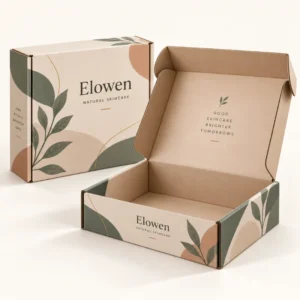
boxes for postage are cardboard boxes made to carry goods through the UK postal system safely and in the correct size format for the service you use. They protect the contents during sorting, transport and delivery, they keep the parcel in the size band you intended, and they present your business professionally when the parcel arrives. Choosing a box by its finished external size, rather than by a rough guess, is the key to posting smoothly and avoiding a parcel being reclassified into a larger format.
Why boxes for postage must fit a postal format
UK postal services classify parcels by size and weight, and a box that is only slightly too deep or too wide can move into a larger category. That change can affect the service available, the drop off options and the overall cost of sending the order. A box designed for a specific format removes that uncertainty, because the finished parcel, including tape and any label, stays within the limits for that format. Measuring the packed box, not only the empty carton, is therefore essential.
Size also affects the customer experience. A slim box that fits through a letterbox can be delivered without the customer being at home, while a larger parcel may need a collection or a redelivery. A box that is far larger than its contents can also look wasteful and can move around inside a delivery vehicle. Matching the box to the product and to the postal format gives a tidier parcel, a better delivery outcome and less packaging waste.
Royal Mail size formats in plain terms
For UK posting, the main formats to understand are letter, large letter, small parcel and medium parcel. A letter is very slim and light, a large letter is wider and deeper but still slim enough for many letterbox deliveries, a small parcel suits most everyday online orders, and a medium parcel suits larger or heavier goods. Each format has maximum length, width, depth and weight limits, and the packed parcel must meet all of them at once. A parcel that meets the length and width limits but exceeds the depth limit is still in the larger format.
Check the current limits before finalising a box size, because postal services update their guides from time to time. The Royal Mail size and weight guide sets out the UK formats, including a small parcel limit of 45cm by 35cm by 16cm and a weight limit of 2kg, and a medium parcel limit of 61cm by 46cm by 46cm and a weight limit of 20kg. Use those figures as the outer limits for the packed parcel, and leave a small margin inside them for tape, labels and any slight variation in board thickness.
Letterbox boxes and large letter boxes
Letterbox boxes suit flat, slim items such as documents, thin books, small accessories and samples. They are usually die cut, with a shallow depth that keeps the finished parcel slim, and a closure that stays flat. Large letter boxes are the practical choice for A4 items, magazines and slim products that need a little more width and depth than a standard letter, while still fitting through many letterboxes. For both formats, test the packed box against the format limits, including any protective sleeve or tissue inside.
Small parcel and medium parcel boxes
Small parcel boxes suit most online orders: clothing, cosmetics, small electronics, books, candles, gifts and similar goods. They give enough depth for cushioning and for a product that is not flat, while still staying within a compact postal format. Medium parcel boxes suit larger orders, heavier goods, multipacks and bulky items that need more internal space. They use stronger board in many cases, because a larger box is more likely to be stacked under other parcels during transit.
When choosing between the two, start with the product plus its cushioning, then add a small allowance for the box walls and closure. If the packed parcel sits close to a format limit, consider whether a slightly different box style or a thinner insert would bring it safely inside the limit. A few millimetres can matter, so measure with a tape measure around the finished parcel, not only from a carton specification sheet.
Single wall and double wall board for postage
Single wall corrugated board suits light to medium weight orders and gives a good balance of protection and low parcel weight. Double wall board suits heavier orders, fragile goods and parcels that will be stacked, because it resists crushing and puncture more effectively. White board gives a bright surface for print, while kraft board gives a natural look and is widely recycled. The board should be strong enough for the contents, but not so heavy that it pushes a light order into a higher weight band unnecessarily.
Choosing boxes for postage for your products
Start with the largest and heaviest product you post regularly, then check the smallest product as well. A range that uses one box for everything will often overpack small items and underprotect large ones. Two or three well chosen sizes usually cover a whole range more effectively than a single compromise size. Keep a record of which product goes in which box, so packing staff do not need to guess during busy periods.
Fragile goods need a different approach from soft goods. A fragile item needs a fitted insert or cushioning that stops movement, while a soft item such as clothing mainly needs a clean, dry box that keeps its shape. A book needs a snug box that stops corners bending, while a bottle needs separation and cushioning around the neck and base. In each case, the box should hold the product still, because movement is the main cause of damage in postal transit.
Mailer styles, closures and tape
Die cut mailers fold into shape quickly, often without tape on the opening edge, and they give a neat, branded appearance on arrival. Regular slotted cartons suit larger parcels and heavier goods, and they need tape on the top and bottom for a secure seal. Crash lock bases assemble quickly and suit high volume packing, because the base locks into place as the box is opened. Whichever style you choose, seal the main opening fully, check the corners, and make sure the closure does not add depth that pushes a slim parcel over its format limit.
Branding a postal box without harming delivery
Printed postal boxes can carry a logo, a simple pattern or a short message, and they turn an ordinary delivery into a branded moment. Keep the print away from the label area, so the address label sits on a flat, clear surface and remains easy to scan. Avoid print that could be confused with postal markings, and keep handling notes clear and separate from decorative design. A clean label area helps sorting and delivery, and it keeps the parcel looking professional.
Ordering, quantities and lead times
Order quantities should reflect how many parcels you send in a typical month, plus a buffer for seasonal peaks. A core size that you use every week may suit a larger run, while a specialist size for an occasional product may suit a smaller order. Keep a note of board, size, style and print for each box, so a reorder matches the original exactly and packed parcels stay within the same postal format. For standard boxes, allow 10 to 14 working days after final artwork approval. Corrugated boxes usually take 12 to 15 working days, and rigid or specialist boxes usually take 13 to 16 working days. These are production lead times, not a guaranteed delivery date.
Ordering boxes for postage
Share the products you post, their packed dimensions and weights, and the postal formats you use, then request a quote for boxes built around that brief. You can explore related packaging through boxes for postage packaging and boxes for posting, browse the full range in the shop page, and check delivery details on the delivery information page. When you are ready, use the get a quote page to send your sizes and quantities.
Frequently asked questions about boxes for postage
What size box should I use for posting?
Measure the product with its cushioning, then choose the smallest box that holds it still without forcing the closure. Check the finished packed parcel against the size and weight limits for the postal format you plan to use.
What is a large letter box?
A large letter box is a slim postal box designed to stay within the large letter format, which allows a larger width and depth than a standard letter while remaining slim enough for many letterbox deliveries.
What is the difference between a small parcel and a medium parcel box?
A small parcel box suits everyday online orders within 45cm by 35cm by 16cm and up to 2kg, while a medium parcel box suits larger or heavier goods within 61cm by 46cm by 46cm and up to 20kg.
Should I use single wall or double wall board for postage?
Single wall board suits light to medium orders, while double wall board suits heavier, fragile or stacked parcels. The best choice depends on product weight, fragility and how the parcel will be handled.
How long do boxes for postage take after artwork approval?
Standard boxes usually take 10 to 14 working days after final artwork approval, corrugated boxes 12 to 15 working days, and rigid or specialist boxes 13 to 16 working days. Allow extra time for proofing and seasonal demand.