
boxes for postage packaging
Showing the single result
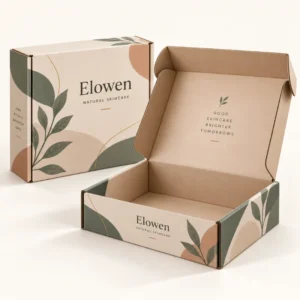
boxes for postage packaging are the complete postal cartons you use to prepare an order for the post, including the board, the box style, the closure and any insert or cushioning inside. They are chosen to protect the product, to keep the packed parcel within its postal format, and to arrive looking tidy and professional. When board, style and closure are chosen together, rather than as separate decisions, the parcel is stronger, easier to pack and more consistent from order to order.
What boxes for postage packaging include
Postage packaging is more than an empty carton. It includes the outer box that carries the address label, the internal support that stops the product moving, the tape or locking flap that keeps the box shut, and the print that identifies your business. Each part affects the others: a strong board with a weak closure can still open in transit, and a good insert in a box that is too large will not stop movement. Thinking of the parcel as one system helps you spot weak points before they cause damage.
The product inside should drive every choice. A soft product mainly needs a clean box that keeps its shape, a fragile product needs cushioning and separation, and a heavy product needs board and tape that can carry its weight through stacking and handling. A book, a candle, a cosmetic set and a garment therefore need different postage packaging, even if they are posted through the same service. Recording the right combination for each product range saves time and reduces errors during busy periods.
Board types for postal packaging
Corrugated board is the usual choice for postage packaging, because its fluted layer absorbs shock and resists crushing. Single wall board suits light to medium orders and keeps parcel weight down. Double wall board suits heavier orders, fragile goods and parcels that will be stacked, because it gives extra crush resistance. Triple wall board is rarely needed for everyday ecommerce orders, but it can suit very heavy or bulky goods that need maximum protection.
Kraft board gives a natural, warm appearance and is widely recycled after delivery. White board gives a bright surface for full colour print and for a clean, modern look. Coated board can add a smoother print surface, but it should be chosen with recycling in mind, because some coatings affect how easily the board can be recycled. For most postal orders, uncoated kraft or white corrugated board gives the best balance of strength, print quality and recyclability.
Flute profiles and what they mean in practice
Flute profile describes the size of the corrugations inside the board. A fine flute, such as E flute, gives a smooth surface for print and suits smaller, lighter parcels and retail style mailers. A larger flute, such as B flute or C flute, gives more cushioning and suits heavier parcels and regular slotted cartons. The choice affects print quality, crush resistance and parcel weight, so it should be matched to the product and to the box style, rather than chosen by habit.
Box styles for postage packaging
Die cut mailers are popular for ecommerce because they fold into shape quickly, often close without tape on the opening edge, and give a neat branded appearance. They suit flat to medium depth products, and they are available in letterbox depths as well as small parcel depths. Regular slotted cartons suit larger and heavier parcels, because they can be made in a wide range of sizes and sealed with tape top and bottom. Crash lock cartons assemble quickly, because the base locks as the box is opened, and they suit high volume packing lines.
Book wraps and panel wraps suit flat products such as books, documents and thin gifts, because they wrap closely around the product and keep the parcel slim. Postal tubes suit rolled items, while pillow boxes suit very light gifts and samples. For most ecommerce ranges, a small set of mailers and slotted cartons covers nearly every order, with a wrap style added only if flat products form a large part of the range.
Closures, tape and inserts
A locking flap on a die cut mailer should engage fully and should not rely on a single small tab. Tape should suit the board and the temperature, and it should seal the main opening completely, including the corners where a flap can lift. Inserts and dividers stop movement inside the box, and they are especially important for fragile, glass or multi item orders. Cushioning such as paper void fill can fill small gaps, but it should support the insert rather than replace it for heavy or fragile goods.
Print, branding and sustainability for boxes for postage packaging
Printed postage packaging turns a delivery into a brand moment. A logo on the outside, a pattern on the inside lid, or a short thank you message can make an order feel personal without adding a separate leaflet. Keep the label area clear, so the address label sits on a flat surface and remains easy to scan, and keep any handling wording separate from decorative design. Simple, bold print often works better on a postal box than fine detail, because the box will be handled, labelled and possibly marked during delivery.
Sustainability should be considered at the design stage. Board with recycled content, a box size that matches the product, and print that does not prevent recycling all help reduce waste. Avoid overpacking with unnecessary filler, and avoid a box that is far larger than its contents, because that wastes board and can increase parcel size. Customers increasingly notice packaging waste, and a well sized, recyclable postal box reflects well on the business as well as on the environment.
Sizing postage packaging to postal formats
Size the finished packed parcel, including tape and label, against the postal format you plan to use. A large letter parcel must remain slim, a small parcel must stay within 45cm by 35cm by 16cm and up to 2kg, and a medium parcel must stay within 61cm by 46cm by 46cm and up to 20kg. Leave a small margin inside those limits, because board thickness, tape and a slightly thicker insert can add a few millimetres to the finished parcel. The Royal Mail size and weight guide sets out the current UK formats and is a useful check before finalising a new box size.
Testing a new postal box before a full run
Pack the real product, seal the box as it will be sealed in production, and check weight and dimensions. Drop the parcel from a low height onto a firm surface, stack other parcels on top of it, and open it to check for movement or damage. Repeat the test with the parcel in different orientations, because a box that survives one orientation may fail when it is turned during sorting. A short test with a small batch of real orders often reveals problems that a single sample pack would miss.
Ordering and lead times
Plan quantities around monthly order volume, plus a buffer for seasonal peaks, and keep a record of board, flute, size, style, insert and print for each box. That record makes a reorder match the original, so packed parcels stay within the same postal format and packing staff do not need to relearn a layout. For standard boxes, allow 10 to 14 working days after final artwork approval. Corrugated boxes usually take 12 to 15 working days, and rigid or specialist boxes usually take 13 to 16 working days. These are production lead times, not a guaranteed delivery date.
Ordering boxes for postage packaging
Share the products you post, their packed dimensions and weights, and the postal formats you use, then request a quote for packaging built around that brief. You can explore related packaging through boxes for postage and boxes for posting, browse the full range in the shop page, and check delivery details on the delivery information page. When you are ready, use the get a quote page to send your packaging details.
Frequently asked questions about boxes for postage packaging
What board is best for postage packaging?
Single wall corrugated board suits light to medium orders, while double wall board suits heavier, fragile or stacked parcels. Kraft board gives a natural look, while white board gives a bright surface for print.
What is the difference between a mailer and a slotted carton?
A die cut mailer folds into shape quickly and often closes without tape on the opening edge, while a regular slotted carton suits larger and heavier parcels and is sealed with tape top and bottom.
Do I need an insert in a postal box?
An insert is recommended for fragile, glass or multi item orders, because it stops movement that loose filler alone may not prevent. Soft goods may need only a clean box that keeps its shape.
How do I keep a postal box within its size format?
Measure the finished packed parcel, including tape and label, against the format limits, and leave a small margin for board thickness and insert variation. Test the packed parcel before ordering a full run.
How long do boxes for postage packaging take after artwork approval?
Standard boxes usually take 10 to 14 working days after final artwork approval, corrugated boxes 12 to 15 working days, and rigid or specialist boxes 13 to 16 working days. Allow extra time for proofing and seasonal demand.