
book shipping boxes
Showing the single result
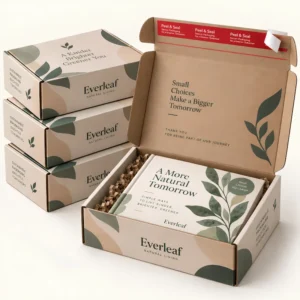
When books travel by courier or post in larger quantities, book shipping boxes give the strength and structure that a slim mailer cannot, because they are designed to hold weight, resist stacking pressure and keep a full order together. They suit online bookshops, publishers, wholesalers and schools sending class sets, and they work well when an order contains several volumes, a mix of formats or a heavy hardback collection. Choose the board strength and the internal size with care, and the books should arrive flat, clean and ready to shelve.
Choosing book shipping boxes for heavier orders
Weight is the first factor that separates a shipping box from a light postal mailer. Books are dense, so a small box can become heavy quickly. Spread the weight across the base, keep the total load comfortable to lift, and split a very large order into two boxes rather than overfilling one. A box that is easy to carry is also less likely to be dropped or dragged.
Board strength and box construction
Single wall corrugated board suits a modest order of paperbacks, while double wall board gives extra protection for heavy sets, large format books and parcels that will be stacked in a warehouse or a delivery van. Look for clean folds, firm corners and a base that can be taped securely. A box that bulges at the sides is a sign that it is overloaded or that the board is too light for the contents.
Why a snug fit matters for shipping
A snug fit stops books sliding from side to side when a parcel is tilted, sorted or loaded. Fill small gaps with paper void fill or a folded board divider, but avoid cramming so much filling into the box that the lid cannot close flat. The aim is a firm pack with no movement and no pressure on the bindings.
Packing multiple books for shipment
Pack books flat in stacks where possible, with spines alternating so the stack stays level. Place heavier volumes at the bottom and lighter paperbacks on top, and keep the stack height within the depth of the box. If an order mixes hardbacks and paperbacks, put a sheet of board between groups so a hard corner cannot press into a softer cover during transit.
Protecting books from moisture and scuffing
A simple inner wrap gives useful protection against damp and dust, especially for parcels that may wait in a porch or a collection point. Wrap a set together only if the books are similar in size, otherwise wrap valuable titles individually. Check that no tape touches a cover or a dust jacket directly, because tape residue can damage a finish when it is removed.
Labelling and handling notes for book parcels
Place the address label on a flat, clean surface and keep handling notes short and clear. A note asking for careful handling can help, but it does not replace strong board and good packing. Add any order reference inside the box as well, so the recipient can match the parcel to the order if the outer label is damaged.
Sizes, formats and printed book shipping boxes
Shipping boxes come in a wide range of footprints, from compact boxes for two or three paperbacks to larger cartons for a full class set or a complete series. Measure the packed stack, not a single book, and allow for wrapping and any divider. If you ship the same sets repeatedly, standardising on a small range of sizes simplifies stock control and speeds up packing.
Custom printing for booksellers and publishers
Printed shipping boxes turn a plain parcel into a recognisable part of your brand. A logo on the outside, a short welcome message inside the lid or a simple returns instruction can improve the unboxing experience without adding complexity to packing. Keep print areas clear of tape lines and label zones so the design stays legible after sealing.
Ordering and production timing
Custom printed boxes are produced after final artwork approval. Standard lead times after final artwork approval are 10 to 14 working days, and corrugated formats are 12 to 15 working days. These figures are production times only and are not a guaranteed delivery date. Plan a launch or a term start around those timings and request a quote in good time.
Sustainability and storage for shipping boxes
Corrugated cardboard shipping boxes can be recycled through normal cardboard recycling after use, provided they are clean and dry and any tape is removed where local guidance asks for that. Reusing a box for a return or for storage is sensible if the board is still firm and the corners are intact. Discard a box that is crushed, damp or torn, because it will not protect the next order as well.
Store flat packed stock in a dry room, stacked neatly and away from damp floors. Keeping boxes flat saves space and stops the board from warping, which in turn makes assembly faster and taping more reliable on a busy packing day.
For related packaging, see book postal boxes for single book orders, book storage boxes for keeping collections tidy and request a quote for custom printed shipping boxes. Size guidance is also available on the Royal Mail UK parcel and letter services page.
Frequently asked questions
What is the difference between a book shipping box and a book mailer?
A shipping box is usually deeper and stronger, and it suits multiple books or heavier orders. A slim mailer suits a single thin volume and keeps the parcel flat for posting.
How many books can I pack in one shipping box?
That depends on size and weight. Pack books flat, keep the load comfortable to lift, and split the order if the box bulges or becomes difficult to carry safely.
Should books be packed flat or upright for shipping?
Flat packing usually protects spines and covers better, because weight is spread evenly. Upright packing can work for a tight row of similar books, but it risks leaning and spine damage if the row is loose.
Can book shipping boxes be printed with my logo?
Yes, printed boxes can carry a logo and simple brand messaging. Keep the design clear of tape and label areas so it remains legible after sealing.
How long does production take after artwork approval?
Standard lead times after final artwork approval are 10 to 14 working days, and corrugated formats are 12 to 15 working days. These are production times, not a guaranteed delivery date.