
book postal boxes
Showing the single result
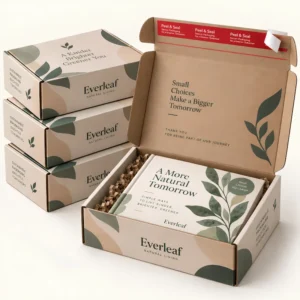
For sending printed matter safely through the post, book postal boxes are a practical choice because they hold a book flat, guard the corners and keep the cover from bending in transit. They suit booksellers, publishers, schools, libraries and anyone posting a single volume or a small set, and they can be printed with a sender brand so the parcel looks professional on arrival. With the right size and a secure closure, a book can travel through sorting and delivery without scuffed edges or a creased spine.
Choosing book postal boxes for your order
The best starting point is the book itself. Measure length, width and thickness, then add a small allowance for any protective sleeve or wrapping. A box that is only slightly larger than the book will stop the contents sliding about, while a box that is far too large invites movement and needs extra filling. If you post a mix of formats, it helps to settle on two or three standard sizes rather than a different box for every title.
Sizes that suit common book formats
Paperbacks in A5 and similar sizes fit neatly into slim postal boxes, while larger A4 books, catalogues and illustrated volumes need a wider and deeper format. Hardbacks need extra care around the spine and the corners, so a snug fit matters even more. For a set or a series, measure the stack as one unit and choose a box that holds the whole set without forcing the lid closed.
How to measure a book before you choose
Place the book flat, measure the longest edge first, then the shorter edge, then the thickness at the spine. Write those three figures down in that order and compare them with the internal measurements of the box. Remember that a dust jacket, a bookmark ribbon or a protective sleeve can add a millimetre or two, so allow for that before you commit to a size.
Materials and construction that protect books
Corrugated cardboard is the usual material for book postal boxes because it is light, strong and able to absorb knocks. A single wall board suits slim paperbacks and catalogues, while a heavier board gives extra rigidity for hardbacks, art books and valuable editions. Reinforced corners and a firm fold help the box keep its shape when other parcels are stacked on top of it.
Closures, seals and opening experience
A self seal strip speeds up packing and gives a clean finish, while tape sealing suits heavier parcels and repeated handling. Some boxes include a tear strip so the recipient can open the parcel without a knife near the book inside. Whichever closure you choose, test it on a packed sample and check that the box stays shut when it is turned over and shaken gently.
Printing and branding options
Printed book postal boxes can carry a logo, a short message, a returns note or simple handling guidance. Keep the design clear and legible, and leave space for the address label. A strong brand presence on the outside also helps a parcel stand out in a busy post room and makes a repeat order easier to recognise.
Packing books well inside book postal boxes
Good packing starts before the book goes into the box. Wrap a valuable or signed edition in a protective sleeve, place the book flat with the spine supported, and fill any remaining space so nothing can shift. Avoid packing books spine down in a way that puts all the weight on the binding, and avoid stacking heavy volumes on top of a slim paperback in the same box.
Protecting corners, spines and covers
Corners are the first point of damage in transit, so corner protection matters more than extra filling in the middle of the box. A snug wrap, a firm board and a box that fits closely together reduce corner knocks. For illustrated covers and glossy jackets, a sleeve stops scuffing when the book is taken in and out of the box.
A simple packing routine for busy despatch teams
Set out the boxes, sleeves, labels and tape in packing order, check each book against its order, wrap it, place it flat in the box and seal it straight away. A short routine like this cuts mistakes, keeps the bench tidy and makes it easier to spot a damaged copy before it leaves the building. Train new packers on a sample order first so the standard stays consistent.
Ordering, lead times and quantities
Custom printed boxes are made to order after artwork is approved, so allow time in your publishing or sales calendar. Standard lead times after final artwork approval are 10 to 14 working days, and corrugated formats are 12 to 15 working days. These figures describe production time only and are not a guaranteed delivery date, so confirm timing when you request a quote if you are working to a launch date.
Ordering in a sensible quantity also matters. A small run suits a single title launch, while a larger run suits a backlist that sells steadily all year. Store flat packed boxes in a dry place, away from damp and direct heat, so the board stays flat and the seals work as intended when you need them.
For related packaging, see book shipping boxes for heavier book parcels, book wrap mailers for slim volumes and request a quote for custom printed book packaging. You can also check current size guidance on the Royal Mail UK parcel and letter services page before you choose a postal format.
Frequently asked questions
What size book postal box do I need for a paperback?
Measure the paperback flat, including any sleeve, and choose a box with internal measurements slightly larger than those figures. A snug fit protects the corners better than a large box filled with extra material.
Are book postal boxes suitable for hardbacks?
Yes, provided the board is strong enough and the box fits closely. Use a protective sleeve for valuable editions, support the spine and avoid forcing the lid closed over a book that is too thick for the box.
Can book postal boxes be printed with my branding?
Yes, printed boxes can carry a logo and a short message. Keep the artwork simple, leave clear space for the address label and check a printed sample before a large run.
How should I store flat packed book postal boxes?
Keep them flat, dry and away from damp and heat. Stack them neatly so the board does not warp, and keep seals clean and dust free until packing day.
How long does production take after artwork approval?
Standard lead times after final artwork approval are 10 to 14 working days, and corrugated formats are 12 to 15 working days. These are production times, not a guaranteed delivery date.