
book storage boxes
Showing the single result
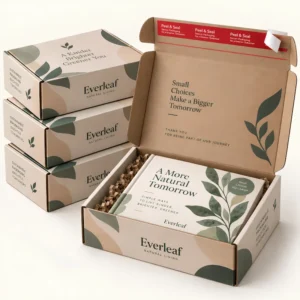
For keeping a whole collection tidy, book storage boxes are sturdy containers that hold groups of books together, protect them from dust and knocks, and make it simple to move or reorganise a library without handling every volume separately. They suit home libraries, classrooms, offices, charity shops and collectors who need to store series, reference sets or back issues in a consistent, labelled system. With the right size and a clear label, you can find a title quickly and keep a collection in good order for years.
Choosing book storage boxes for a collection
Think in groups before you choose a size. A set of paperbacks, a row of hardbacks, a collection of magazines or a run of reference volumes each need a different footprint. Measure a typical group, including any height variation, and choose a box that holds that group comfortably without leaving a large empty space at the top. Consistency matters too, because boxes of the same size stack more safely and look tidier on a shelf or in a store room.
Open top, lidded and handled designs
Open top boxes suit books that are taken out often, because there is no lid to remove and replace. Lidded boxes suit long term storage, seasonal stock and items kept in a loft or garage, because the lid keeps out dust and light. Boxes with handles or hand holes are easier to lift and carry, which matters when a full box of books is heavy. Choose the design that matches how often the books will be used.
Stacking safely without damaging books
Stack boxes of a similar size, keep the heaviest boxes at the bottom, and avoid stacking so high that the pile becomes unstable. A lid helps distribute weight, while an open top box should not carry a heavy box directly on the books inside. Check the bottom box occasionally, because a crushed base is a sign that the stack is too high or too heavy.
Materials, strength and everyday durability
Corrugated cardboard is a common choice for book storage boxes because it is strong for its weight and easy to recycle at the end of its life. Double wall board suits heavy collections and boxes that will be moved often, while single wall board suits lighter paperback groups kept on a shelf. Rigid board gives a more formal finish for a display collection, but it is heavier and usually chosen for presentation rather than bulk storage.
Protecting books in storage over months and years
Books suffer most from damp, direct sunlight, dust and pests, so the storage location matters as much as the box. Keep boxes off a cold floor, away from external walls and out of direct sun. Pack books upright only if the row is full and supported, otherwise pack them flat in short stacks so spines are not strained by leaning. Leave a small amount of air space inside a lidded box, and check stored collections from time to time.
Labelling and organising a stored collection
A clear label on the short end of the box, where it faces out on a shelf, saves time and handling. Note the subject, series, author range or date range, and keep a simple list of box contents in a notebook or a spreadsheet. Numbering boxes in sequence also helps when a collection is moved, because you can check that every box has arrived before unpacking.
Book storage boxes for homes, schools and workplaces
At home, storage boxes help turn a spare room, a loft or a set of shelves into an organised library, and they make moving house far simpler. In a school, they keep class sets together and make it easy for a teacher to hand out a complete set without searching through loose shelves. In an office or charity shop, they keep donated or backlist stock sorted by subject, ready for sale or distribution.
Custom printing for a branded collection system
Printed storage boxes can carry a school name, a library name, a charity logo or a simple colour code for each subject area. Printed labels are easier to read than handwritten notes, and a consistent design makes a collection look cared for. Keep the print clear and leave the label area free from tape so contents notes can be added or changed later.
Ordering and production timing
Custom printed boxes are produced after final artwork approval. Standard lead times after final artwork approval are 10 to 14 working days, and corrugated formats are 12 to 15 working days. These figures are production times only and are not a guaranteed delivery date. Order ahead of a move, a term start or a stocktake so the boxes arrive in time to be useful.
Recycling, reuse and care for storage boxes
A good storage box can be reused many times if the board stays dry and the corners stay firm. When a box is finally worn out, clean cardboard can usually be recycled through local cardboard recycling. Remove any non cardboard inserts before recycling, and flatten the box to save space in a recycling bin or skip.
Store spare flat packed boxes in a dry place, stacked neatly and away from damp. This keeps the board flat, makes assembly quicker and ensures that a replacement box is ready when a collection grows or a set needs rehousing.
For related packaging, see book storage box for a single special volume, book shipping boxes for moving book orders and request a quote for custom book storage boxes.
Frequently asked questions
How many books fit in a book storage box?
That depends on book size and box size. Measure a typical group, pack books in short flat stacks or a full upright row, and keep the filled box at a weight that is comfortable to lift.
Are lidded boxes better than open top boxes?
Lidded boxes suit long term storage because they keep out dust and light. Open top boxes suit books used often, because they are quicker to access.
Can book storage boxes be stacked?
Yes, if the boxes are a similar size and the heaviest are at the bottom. Avoid very high stacks, and do not place a heavy box directly on books in an open top box.
Can storage boxes be printed with a library or school name?
Yes, printed boxes can carry a name, logo or colour code. Keep the label area clear so contents notes can be added later.
How should I store books to avoid spine damage?
Pack books flat in short stacks or upright in a full, supported row. Avoid leaning rows, because a leaning book puts strain on its spine over time.