
big postage box
Showing the single result
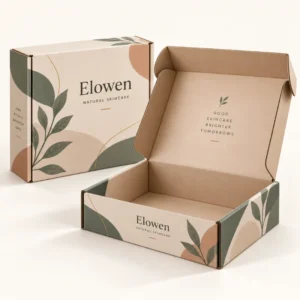
A big postage box is a large, strong carton made for items that will not fit safely into a standard small parcel box. It gives bulky products room to sit flat or upright, allows space for protective packing around them, and keeps the outer parcel firm enough for courier handling. Choosing the right large format early prevents crushed corners, split seams and repacking at the post office counter.
When a big postage box is the right choice
Size is the first test. If a product plus its protective wrapping fills a standard box tightly, or if the lid will not close without force, move up a size. A box that is too small puts pressure on seams and on the product itself, especially at corners and edges. A box that is comfortably sized lets you add a protective layer, keeps the product away from the outer walls and closes cleanly with tape across the full seam.
Weight is the second test. Heavy items need board that can carry the load without bowing, and they need a base that will not sag when lifted. Double walled corrugated board is a sensible choice for heavier or awkward items, because the extra wall adds crush resistance and stiffness. For lighter but bulky items, such as clothing bundles, bedding or large soft goods, single walled board in a large format may be enough, provided the box is not overfilled.
Common uses for a large parcel format
Large postage boxes suit a wide range of everyday sending needs. Online sellers use them for multi item orders, clothing bundles, homeware, shoes in their own boxes and gift sets that would otherwise need several parcels. Households use them for moving, storage and sending larger gifts. Small businesses use them for trade orders, samples and returns where several items travel together. In each case, one well packed large box is usually safer and simpler than forcing items into a box that is too small.
Multi item orders in one parcel
Combining items into one large box reduces handling, keeps an order together and gives the customer a single delivery to open. Pack heavier items at the bottom, lighter items on top, and fill gaps so nothing shifts when the box is turned. Separate items that could scratch each other with tissue or a divider, and keep fragile items away from the outer walls where impacts are most likely.
Bulky single items
Some products are simply large: a folded textile, a framed print in protective wrapping, a set of books, or a piece of equipment with accessories. Measure the longest side first, then the width and depth including wrapping. The box should allow a small margin on every side for protection, without leaving so much empty space that the item slides freely. That balance is what keeps a bulky item safe.
Materials and board strength explained
Most large postage boxes are made from corrugated cardboard, which combines a fluted inner layer with flat outer liners. That structure gives strength without excessive weight, which matters when a parcel is lifted, stacked and sorted. Single walled board has one fluted layer and suits lighter loads. Double walled board has two fluted layers and suits heavier loads, sharp edges and longer journeys. The right choice depends on product weight, fragility and how far the parcel will travel.
Print quality also matters for businesses. A clean kraft or white outer surface takes a logo, product information or handling guidance clearly, and it presents a professional image on delivery. Custom printed large boxes help customers recognise the sender at once and reinforce the brand with every order. For printed orders, standard production takes 10 to 14 working days after final artwork approval, and corrugated styles take 12 to 15 working days, so plan artwork alongside product preparation.
How to choose the right big postage box size
Start by measuring the product, not by guessing from a box name. Measure length, width and depth in centimetres, including any existing retail packaging. Add a protective margin for wrapping, typically a few centimetres on each side for fragile items and less for soft goods. Then compare those packed measurements with the internal dimensions of the box, not the external dimensions, because board thickness reduces the usable space inside.
Consider the shape as well as the size. A long flat item needs a different box from a tall narrow item of the same volume. A box that matches the product shape packs more securely and uses less void fill. If you regularly send a particular product, keep a note of the box size that worked, the packing materials used and any damage reports, so future orders use a proven combination rather than a fresh guess each time.
Measuring for courier size bands
Couriers and postal services use size and weight bands to classify parcels, so a box that crosses a threshold can change how it is handled. Check the current size guide for the service you plan to use before ordering boxes in bulk, especially if your products sit close to a band boundary. A few centimetres can matter, and choosing a box that sits comfortably within a band avoids surprises at dispatch. The Royal Mail size and weight guide sets out current UK formats and limits for letters and parcels.
Small parcel and medium parcel limits
As a guide, Royal Mail small parcels allow a maximum of 45cm by 35cm by 16cm up to 2kg, while medium parcels allow up to 61cm by 46cm by 46cm up to 20kg. A big postage box may sit in either band depending on its packed size and weight, so measure the finished parcel including tape and labels. If a parcel exceeds those limits, a courier service for larger parcels may be more suitable, and the box should still be strong enough for that journey.
Packing a large box well
Good packing is as important as good board. Start with a layer of protection at the base, place the product centrally, and fill voids with paper, bubble wrap or another suitable cushion so the product cannot move. Tape the base seam fully before packing, then tape the top seam with a continuous strip that extends down the sides. For heavy boxes, add a second strip across the centre seam for extra security, and place the label on a flat surface where it will not fold over an edge.
Protecting corners and edges
Corners and edges take the most knocks in transit, so give them attention. Edge protectors help for framed or flat items, while wrapping individual items prevents surface marks. Keep sharp or heavy items away from the box walls where they could puncture the board, and avoid packing a very heavy item on top of a fragile one. A few minutes of careful packing saves the cost and embarrassment of a damaged delivery.
Custom printed large boxes for businesses
For businesses sending regular large parcels, a custom printed box turns every delivery into a branded moment. Print can carry a logo, a website address, handling notes or a simple thank you message, and it helps customers recognise the parcel before they open it. Consistent branding across box sizes also makes a range look coherent, from small orders to large multi item deliveries.
When ordering custom large boxes, confirm the internal size, board grade and print area before approving artwork. Ask how the design sits across folds and tape areas, and check that essential information remains legible after packing. You can explore related formats such as large postage boxes and postage boxes, browse browse the full packaging shop, or start a custom order through request a quote for large postage packaging. Delivery guidance is available on delivery information for custom orders.
Storage and handling for large formats
Large boxes take up storage space, so flat packed supply is a real advantage. Store flat boxes in a dry place, stacked neatly and away from damp floors, so board stays firm and print stays clean. Assemble boxes only as needed, and keep a packing station with tape, labels and void fill close at hand so large orders can be packed without hunting for materials. A tidy packing area also reduces errors, such as sending the wrong size box for a particular order.
Keeping large boxes dry and clean
Cardboard loses strength when damp, so protect stored boxes from rain, leaks and condensation. Keep them off the floor on a shelf or pallet, cover open stacks if the storage area is dusty, and rotate stock so older boxes are used first. A clean, dry box not only protects better, it also looks more professional when it reaches the customer.
Frequently asked questions
Q1. What size counts as a big postage box?
There is no single official size. A big postage box is generally any large format that holds bulky or multi item orders beyond a standard small parcel box, with internal dimensions chosen to fit the packed product plus protective wrapping.
Q2. Should I choose single walled or double walled board?
Choose single walled board for lighter bulky items and double walled board for heavier, fragile or long distance parcels. Double walled board adds crush resistance and stiffness, which helps when a large parcel is stacked or handled repeatedly.
Q3. How do I measure for a big postage box?
Measure the product length, width and depth including retail packaging, add a protective margin for wrapping, and compare the result with the internal dimensions of the box. Measure the finished parcel again before dispatch to check courier size and weight limits.
Q4. Can a big postage box be custom printed?
Yes. Large boxes can carry a logo, brand colours and handling or thank you messages, turning a bulky delivery into a branded experience. Standard production takes 10 to 14 working days after final artwork approval, and corrugated styles take 12 to 15 working days.
Q5. How should I pack a heavy item in a large box?
Place heavy items at the bottom, fill voids so nothing shifts, tape base and top seams fully, and keep fragile items separated and away from outer walls. For very heavy parcels, add extra tape across the centre seam and check the board grade before dispatch.