
large postage boxes
Showing the single result
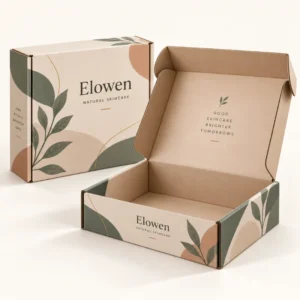
large postage boxes give you a sturdy, practical way to post items that are too large for a standard envelope yet still need to travel safely through the post. They suit flat products, documents, books, clothing and accessories, and they can be printed with your branding so every delivery reinforces your business. Choosing the right size, board grade and closure helps you protect the contents, control postage costs and present a professional parcel at the door.
What large postage boxes are for
A large postage box is a postal box with generous length and width but a controlled depth, so it can hold flat or slim items without wasted space. That shape matters because a box that fits the product closely is less likely to shift in transit, and it is easier to seal, label and stack. Many buyers use these boxes for printed matter, apparel folded flat, art prints, small electronics accessories, stationery sets and gift items that need a rigid outer layer.
When you are comparing options, start with the product itself. Measure length, width and depth after any inner wrapping, then add a small allowance for protective material. A box that is only just large enough may crush a corner, while a box that is far too large invites movement and needs extra void fill. The aim is a snug fit with enough room for a layer of tissue, paper fill or a protective sleeve where the product needs it.
Large postage boxes for flat and slim products
Flat products benefit most from a postal box that holds them square and flat. Books, catalogues, calendars, framed prints in protective sleeves and folded garments all sit well in this format. The rigid board helps stop bending, and a clean outer surface takes a delivery label clearly, which reduces handling problems and misreads at sorting.
Keeping flat items square in transit
Place the item centrally, fill any side gaps with paper, and close the box fully before taping. If you are posting several flat items together, separate them with a sheet of board so they do not rub or slide against each other. This simple step protects corners and printed surfaces, and it keeps the parcel looking tidy when the recipient opens it.
Materials and board strength in large postage boxes
Most large postage boxes are made from corrugated board, which combines a fluted inner layer with flat outer liners for strength without excessive weight. Single wall board suits light to medium items, while double wall board gives extra crush resistance for heavier or more valuable contents. Kraft board gives a natural, recyclable look, while white board gives a brighter surface for full colour print and crisp labels.
Board choice should follow the weight and fragility of the contents, not just the size of the box. A heavy book set, a bundle of catalogues or a boxed gift needs stronger board than a single soft garment. If you are unsure, describe the product weight and the journey it will take, and ask for a recommendation based on that detail rather than choosing on size alone.
Printed large postage boxes for branding
Custom print turns a plain postal box into a branded delivery. A logo on the outer lid, a simple pattern, a thank you message inside the lid or full colour artwork across the box can all make the parcel feel considered. Keep the design legible at a distance, leave clear space for the delivery label and any handling marks, and check that dark print does not sit where a label must go.
Artwork checks before printing
Supply artwork at a high resolution, confirm colours against a proof, and check spelling, web addresses and contact details before approval. Once final artwork is approved, standard lead times are 10 to 14 working days, corrugated orders are 12 to 15 working days, and rigid or specialist orders are 13 to 16 working days. These times are working day guides after approval, not a guaranteed delivery date, so allow a margin for busy periods.
Choosing a size for large postage boxes
Size choice is a balance between protection, postage and storage. A larger box costs more to store flat and may push a parcel into a higher postage band, while a smaller box may force you to fold or compress a product. List your best selling products, note their packed dimensions, and choose two or three box sizes that cover most orders rather than stocking a separate size for every item.
Also think about how the box will be used at the packing bench. A box that folds quickly, locks cleanly and seals with one strip of tape saves time across a full packing run. If your team posts hundreds of parcels a week, that small saving matters, and a consistent box range also makes training simpler and reduces packing errors.
Large postage boxes and Royal Mail size bands
Royal Mail size bands reward parcels that stay within a defined length, width, depth and weight. A large letter, for example, must stay within 353mm by 250mm by 25mm and 750g, so a slim postal box designed to that format can keep postage lower than a deeper parcel box. Always measure and weigh the finished, sealed parcel, including any insert or protective material, because the packed parcel is what is assessed, not the empty box.
For larger items that fall outside the large letter band, a parcel box is the right choice. In that case, focus on board strength and a secure seal, and check the service limits for the carrier you plan to use. You can check the current Royal Mail size and weight limits through the Royal Mail business shipping guide before you finalise a size.
Measuring the finished parcel correctly
Measure the longest side, then the width, then the greatest depth after sealing, and weigh the parcel on a scale. Do this for a sample parcel packed exactly as a customer parcel would be packed. If the depth changes when the box is taped, that taped depth is the figure that matters, so recheck after any change to inserts, tissue or void fill.
Ordering large postage boxes with a quote
Because sizes, board grades, print colours and quantities all affect the specification, large postage boxes are supplied on a quote basis. Share the internal dimensions you need, the product type and weight, the quantity, and whether you want plain or printed boxes. That detail lets the supplier recommend a board grade, confirm a size, and prepare artwork guidance without guesswork.
You can explore related options through large shipping boxes for bulkier items, browse the full range in the shop, learn more on the about us page, or start a request through get a quote. Delivery guidance is available on the delivery information page.
Frequently asked questions
What can I post in large postage boxes?
They suit flat and slim items such as books, documents, prints, folded clothing, accessories and stationery sets. For bulky or heavy items, a stronger parcel or shipping box is usually a better choice.
How do I choose the right size?
Measure the packed product, add a small allowance for protection, and choose the smallest box that holds it without bending or compression. Test a sample parcel before ordering in volume.
Can large postage boxes be printed with my logo?
Yes, they can be printed with a logo, simple artwork or full colour design, subject to artwork approval. Leave clear space for the delivery label so the parcel remains easy to process.
Are large postage boxes recyclable?
Corrugated board boxes are widely recyclable through household and business paper and board recycling, provided tape and labels are removed where local guidance asks for that. Check local recycling guidance for the exact rules in your area.
How long do custom printed orders take?
After final artwork approval, standard orders take 10 to 14 working days, corrugated orders take 12 to 15 working days, and rigid or specialist orders take 13 to 16 working days. These are guides, not guaranteed dates.