
a4 postage boxes
Showing the single result
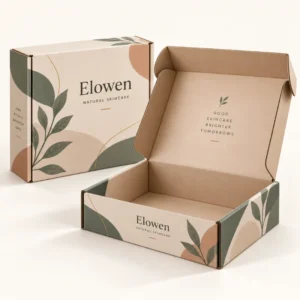
a4 postage boxes are postal boxes supplied for regular A4 sending, for offices, shops, publishers and fulfilment teams that post documents, slim books and flat products week after week. Buying them as a repeat supply, rather than as a single box at a time, keeps size, board and print consistent, so packing stays fast and deliveries look the same every time. A4 paper measures 210mm by 297mm, and a good repeat box is made slightly larger to allow for protection around every edge.
Why a4 postage boxes suit repeat posting
Repeat posting is about routine. A team that packs the same type of item every day should not need to guess which box to use, how much fill to add, or where the label goes. When the box is always the same, the pack becomes muscle memory, errors fall, and the finished parcel looks professional even on a busy day. That consistency is the main reason to order A4 boxes as a standing supply rather than buying mixed sizes as needed.
Offices use repeat A4 boxes for client packs, reports and certificates. Shops use them for notebooks, planners, art materials and slim products that fit the A4 footprint. Publishers use them for review copies and direct sales. Fulfilment teams use them for subscription inserts, welcome packs and returns, where a clean, branded box helps the customer trust the delivery.
Planning stock by use, not by guesswork
Stock planning works best when it is tied to real sending patterns. Count how many A4 parcels go out in a typical week, note peaks around launches, terms or seasonal campaigns, and separate shallow document packs from deeper book packs. That split matters, because a single depth rarely packs both jobs well, and a team forced to use the wrong depth will either waste fill or risk damage.
A simple stock check for a team
1. Record weekly A4 parcels for four weeks.
2. Separate document packs from book and product packs.
3. Note the busiest week and the reason for the peak.
4. Hold a small surplus for that peak, stored flat and dry.
5. Reorder before the surplus is reached, not after it runs out.
Board, depths and print for a4 postage boxes
Corrugated board is the usual choice for repeat A4 supply, because it is light, rigid and easy to recycle through household recycling where local rules allow. Single wall board suits documents and slim books, while double wall board suits heavier books, multi item packs, or parcels that travel alongside heavier mail. Ordering both depths in the same print design keeps branding consistent while giving the packing team the right tool for each job.
Print consistency across a repeat order is just as important as board consistency. The same logo position, the same colours and the same label area mean that customers recognise a parcel instantly, and new team members can be trained in minutes. If print changes every order, even slightly, the brand looks less settled and packing slows while staff adjust.
Labels and handling across many parcels
When many parcels are labelled in one session, label placement becomes a quality control issue. A label placed flat on a clean face scans first time, while a label placed across a fold or over print can fail and delay a batch. Agree a single label position for every A4 box, mark it in training, and keep that area free of patterning in the print design.
Training a packing team for A4 boxes
Show new packers a finished example, not only an empty box, so they can see the correct fill, the correct label position and the correct tape pattern. Keep a sample pack at each bench for the first week, and check a random finished parcel each day until the standard is steady. Those small habits prevent most repeat packing errors.
Packing a4 postage boxes for regular dispatch
For documents, place the item flat against a backing board, fill side gaps with folded paper, and close the box without pressure. For books, place the book spine down where possible, support the pages, and add side fill until the pack feels solid. For multi item A4 packs, wrap items that mark easily separately, keep heavier items at the bottom, and avoid mixing very heavy and very light items in the same shallow box.
Seal every box the same way, tape the centre seam fully, and keep the label area clean. A consistent seal pattern also helps with returns, because a customer can see at a glance whether a box has been opened and resealed. For valuable or time sensitive A4 packs, keep a record of the packed weight and a photograph of the finished parcel before dispatch.
Checking postal format for a regular A4 range
Different A4 packs in the same range can fall into different postal formats. A very slim document pack may be a large letter, while a book pack will usually be a parcel. Check finished parcels against the Royal Mail size and weight guide for each pack type, not only for the range as a whole, and record the format for each product so labels are printed correctly first time.
When to use a larger flat box instead
If your work grows beyond A4, a larger flat format may be needed for prints and posters. See a3 postage box for that size. For a single A4 item rather than a repeat supply, see a4 postage box. For compact parcels that are not flat, see 30cm postage box.
Ordering a4 postage boxes on a quote basis
Ordering on a quote basis lets a business agree board, depths, print and quantity in one conversation, rather than piecing together mixed stock. Share your weekly volumes, your document and book split, and your artwork, then test samples with real products before confirming a full run. Plan on 12 to 15 working days of corrugated production following final artwork approval, and remember that this period is for making the order, not a guaranteed delivery date.
Reordering should be simpler than the first order, because size and artwork are already agreed. Keep a note of the board grade, depths and print colours used, so a reorder matches the original exactly. When you are ready to reorder, request a quote with your agreed specification, browse the shop for anything else you need, and learn about Personalized Mailer Boxes if you are new to the site.
Storage for a repeat A4 supply
Store flat boxes horizontally in a dry place, away from damp and direct heat, and keep different depths in clearly labelled stacks so the wrong depth is not picked in a hurry. Keep assembled boxes upright, and avoid stacking heavy cartons on top of A4 boxes, because crushed corners will not recover.
Delivery information to check
Read the delivery information page for production and delivery guidance, and build artwork approval time into launch and campaign planning, so a repeat supply never runs out during a peak.
Frequently asked questions about a4 postage boxes
What is the difference between a4 postage boxes and a single a4 postage box?
The plural term usually means a repeat or bulk supply for regular sending, while the singular term focuses on one box for one item. The box size is the same, but the buying pattern and stock planning are different.
How many depths should an office order?
Most offices need two depths, one shallow depth for documents and one deeper depth for books and product packs. That split packs both jobs better than a single compromise depth.
Can repeat orders keep the same print?
Yes, keeping artwork, board and label area the same across orders is the point of a repeat supply. Keep a record of colours and layout so reorders match exactly.
How do I check postal format for different A4 packs?
Measure and weigh each finished pack type separately and check it against the current Royal Mail format limits, because slim and thick packs can fall into different formats.
How long does production take for corrugated A4 boxes?
Allow 12 to 15 working days after final artwork approval. This is production time, not a guaranteed delivery date.