
a3 postage box
Showing the single result
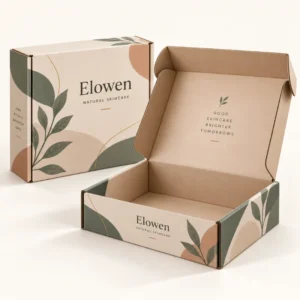
An a3 postage box is a flat postal box made to send A3 size items without folding them, such as art prints, posters, large photographs, certificates and presentation documents. A3 paper measures 297mm by 420mm, so the box must be larger than the paper to allow for protection at the edges. A well made flat box keeps the contents rigid, prevents bending at the corners, and arrives looking as clean as it did when it was packed.
What an a3 postage box is used for
Artists, photographers, print shops, schools and offices use this format for work that loses value if it is creased. A print that has been folded cannot be sold as new, a poster with a bent corner looks damaged even if the image is perfect, and a certificate with a fold across the centre looks unprofessional. A flat box solves that problem by giving the item a rigid frame for the whole journey.
The same box also suits multiple flat items packed together, such as a set of prints, a batch of brochures, or a portfolio of samples. In that case, the key is to keep the stack from sliding, because a stack that moves can scuff the top sheet and dent the corners of every sheet below it.
Flat, low profile and book style formats
Some A3 boxes are very shallow, made for one or two sheets plus a backing board. Others have a little more depth, so they can hold a small stack, a mounted print, or a print with a protective sleeve. The right depth depends on the stack you actually send, not on the paper size alone. A box that is too deep allows movement, while a box that is too shallow forces the lid down onto the artwork.
How to choose the right depth
1. Lay your largest item flat with its backing board and sleeve.
2. Measure the total stack height.
3. Add a thin layer of tissue or paper protection.
4. Choose a box depth that closes without pressure.
5. Test with a real pack before ordering in quantity.
Materials and protection for an a3 postage box
Corrugated board is the usual material, because it combines rigidity with light weight. A single wall board suits most flat items, while a stronger board suits mounted work, framed prints without glass, or larger stacks that add weight. The board should stay flat under its own weight when held by one edge, because a board that sags will let the contents bend with it.
Edge protection is just as important as face protection. Corners are the first part of a flat parcel to be knocked, so a box with reinforced sides and a secure flap gives a clear advantage. Tape the closure fully, keep the label flat on the largest face, and avoid placing the label across a fold where scanning could fail.
Backing boards and sleeves
A backing board behind a print adds rigidity and gives the print a clean edge to rest against. A clear sleeve or tissue layer protects the surface from scuffing and from moisture during handling. Together, backing and sleeve do more for a print than a thicker outer box alone, because they stop movement inside the box, which is where most surface damage starts.
Packing a single print well
Place the print in its sleeve, place the sleeve against a backing board, centre the board in the box, fill any side gaps with folded paper, and close the box without forcing the flap. If the print can slide from side to side, add more fill at the sides rather than on top, because side movement causes corner damage.
Posting an a3 postage box in the UK
An A3 flat parcel is larger than a standard letter format, so size and weight should be checked after packing. The Royal Mail size and weight guide sets out current UK format limits, and the finished parcel, including tape and label, is what counts. A flat box that looks slim on the bench can become thicker once a sleeve, backing board and outer protection are added, so measure the finished parcel, not the empty box.
For valuable prints, consider a tracked service and a clear return address on the parcel. Keep a photograph of the packed item before sealing, and keep the print file or a proof, so a damaged item can be reprinted without a long delay. Those habits cost little time and save a great deal of trouble if a parcel is delayed or damaged.
Print and branding for flat mailers
Print on a flat box is highly visible, because the largest face is also the face the customer sees first. A simple logo, a short message, or a clean pattern can make a print delivery feel like part of the artwork itself. Keep print away from the label area and from fold lines, and choose colours with strong contrast so the delivery label remains easy to read.
When a smaller flat box is better
If you mainly send A4 work, a smaller flat format will pack tighter and travel better than an oversized A3 box. See a4 postage box for single A4 items, and a4 postage boxes for repeat A4 supply. For a compact parcel that is not flat at all, look at 30cm postage box instead.
Ordering custom made a3 postage boxes
Custom made flat boxes let a print business keep size, board and branding consistent, which helps packing teams and customers alike. Share the paper size, the stack height, the backing board you use, and the print design, then test a sample with real work. Once final artwork is approved, corrugated flat boxes generally take 12 to 15 working days to produce, which is a making time and not a promised delivery day.
Consider quantity in terms of print runs and exhibition schedules, not just monthly averages. A gallery show or a seasonal print release can use many boxes in a single week, and running out mid release is far more disruptive than holding a small surplus of flat boxes, which store well when kept flat and dry. To start a print order, request a quote, then browse the shop for related ideas and learn about Personalized Mailer Boxes in the meantime.
Storage for flat boxes
Store flat boxes horizontally in a dry place, keep them away from damp and direct heat, and avoid leaning a tall stack against a wall where it can bow. A flat stack stays flat, and a flat box protects a flat print, so storage habits are part of product quality.
Delivery information to check
Read the delivery information page for production and delivery guidance, and build artwork approval time into your print release schedule.
Frequently asked questions about an a3 postage box
What size paper fits an a3 postage box?
It fits A3 paper, which measures 297mm by 420mm, with room for backing board and protection. The box itself must be larger than the paper, so check internal size before ordering.
Can I send a poster in an a3 postage box?
Yes, provided the poster is A3 size or smaller when flat. Rolled posters need a tube instead, because a flat box is made for flat items, not rolled items.
How do I stop prints bending in transit?
Use a backing board, a sleeve, and side fill to stop movement, then tape the box fully and keep the label flat. A rigid box plus a rigid backing gives far better protection than either alone.
Is an a3 postage box a parcel or a large letter?
That depends on the finished packed size and weight. Measure and weigh the finished parcel and check it against the current Royal Mail format limits.
Can I print my branding on a flat box?
Yes, custom print is available on a quote basis. Keep the label area clear and avoid print over fold lines where ink could crack.