
30cm postage box
Showing the single result
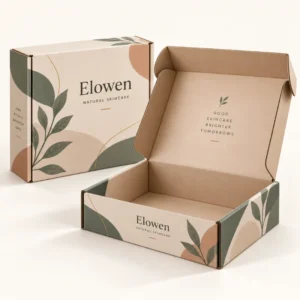
A 30cm postage box is a compact postal box whose longest side measures 30cm, made to hold small items securely through sorting and delivery. It suits books, folded clothing, small gifts, cosmetics and other everyday items that need more protection than an envelope can give. When the width, depth and packed weight are also suitable, it is a practical choice for regular UK posting.
What a 30cm postage box is used for
The 30cm dimension usually describes length, not the whole box. A buyer still needs to check width and depth, because a long, shallow box and a long, deep box behave very differently once packed. The right choice leaves just enough room for the item plus a thin layer of protection, without leaving so much empty space that the contents can move about in transit.
Small online shops use this size for single item orders and for gift sets that are too bulky for a large letter. Offices use it for samples, documents with a small product enclosed, and returns. At home, it works for birthday gifts, second hand items being sent to a new owner, and care packages where the contents need to stay tidy.
Items that fit this size well
Paperback books, small electronics in their own retail cartons, candles in a protective inner box, folded scarves and knitwear, and sets of small toiletries all sit naturally in a 30cm format. The key test is simple. Lay the item flat, add protection on each side, and confirm that the lid closes without forcing it down. If the lid bulges, the packed size may change and the box may be harder to seal.
How to measure before you order
Measure the item after it has been wrapped, not before. Record length, width and height, then add a small allowance for padding. Weigh the finished parcel as well, because size and weight together decide which postal format applies. The Royal Mail size and weight guide sets out the current UK format limits, and it is worth checking the packed parcel against those limits before labels are printed.
Materials and construction for a 30cm postage box
Most boxes at this size are made from corrugated cardboard, which has a fluted layer between two flat liners. That structure gives strength without adding much weight, and it cushions light knocks during handling. Single wall board suits light and medium items, while double wall board is a better choice for heavier goods or for items that could be damaged by pressure from other parcels.
Closure matters as much as board grade. A well scored box folds cleanly, a secure flap stays closed, and good tape gives a neat seal along the centre and ends. For heavier contents, tape the base as well as the top, and avoid overfilling the box, because an overfilled box is more likely to split at the corners.
Choosing between plain and printed board
Plain board is clear, practical and easy to label. Printed board turns the same parcel into part of the brand, with a logo, a simple pattern or a short message on the outside. Print should stay away from the label area and from any handling marks, so the address remains easy to read at every stage of the journey.
Print areas to keep clear
Leave a clean space for the delivery label, keep barcodes free of patterning, and avoid print over fold lines where ink could crack. A simple design with strong contrast usually reads better in a busy sorting environment than a very detailed design. If you are unsure, request a quote and share your artwork so the print area can be checked before production.
Packing a 30cm postage box so items arrive in good condition
Good packing starts with the item itself. Wrap fragile goods separately, keep liquids in sealed containers inside a leak resistant inner bag, and place heavier items at the bottom of the box. Fill gaps with paper void fill or another suitable cushioning material, so nothing can slide from one side to the other when the parcel is turned.
Seal the box, then shake it gently. If you can hear movement, add more fill. If the box feels soft at the corners, consider a stronger board grade. A parcel that feels solid in the hand is far more likely to arrive looking as it did when it left.
Common packing mistakes to avoid
Using a box that is far too large is one of the most common mistakes. It wastes fill, it allows movement, and it can push a parcel into a larger postal format. Reusing a damaged box is another risk, because a creased corner or a torn flap will not regain its strength. A third mistake is taping over the label area or placing the label across a fold, which can make scanning harder.
A quick packing check
1. Wrap each item separately where needed.
2. Fill gaps so nothing moves.
3. Seal top and base for heavier parcels.
4. Place the label flat on a clean face.
5. Weigh and measure the finished parcel.
Ordering custom made 30cm postage boxes
Custom made boxes let a business keep size, board and print consistent across orders. That consistency helps packing teams work faster, because they learn exactly how each product fits, and it helps customers recognise a parcel before they open it. Corrugated production usually needs 12 to 15 working days once final artwork has been approved, and that window covers making the boxes, not a promised arrival day.
Before ordering, confirm the internal size you need, the board grade, the print colours and the quantity. Small changes in depth can change the postal format, so it is worth testing a sample pack with real products before committing to a large run. You can browse the shop for related packaging ideas, and learn about Personalized Mailer Boxes before you decide.
Related sizes to compare
If your items are flat, a paper size format may be more suitable than a 30cm length format. For documents and slim books, see a4 postage box. For larger flat items such as prints, see a3 postage box. For repeat orders, a4 postage boxes may be the better page to explore.
Delivery information to read first
Read the delivery information page for current production and delivery guidance, then allow time for artwork approval in your planning. Ordering early avoids a rushed pack, and a rushed pack is where most damage happens.
Frequently asked questions about a 30cm postage box
What does 30cm mean on a postage box?
It usually means the longest side is 30cm. Always check width, depth and internal size as well, because those measurements decide whether your item fits and how the finished parcel is classified.
Is a 30cm postage box a small parcel?
It can be, but the final format depends on every packed dimension and on weight, not on length alone. Measure and weigh the finished parcel and check it against the current Royal Mail format limits.
What board should I choose for heavier items?
Double wall corrugated board gives more protection for heavier goods, while single wall board suits lighter items. If the box feels soft once packed, move to a stronger grade rather than adding more tape.
Can I print my logo on a 30cm postage box?
Yes, printed board is available on a quote basis. Keep the label area clear, keep barcodes free of patterning, and share artwork early so print areas can be checked.
How long does production take?
For corrugated boxes, allow 12 to 15 working days after final artwork approval. This is production time, not a guaranteed delivery date, so plan artwork approval into your schedule.