
unboxing packaging.
Showing all 2 results
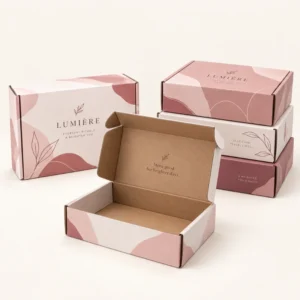
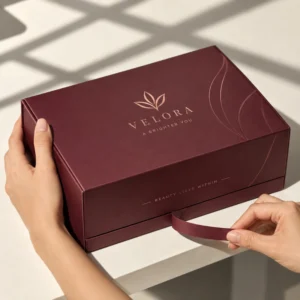
Unboxing packaging is packaging designed around the moment a customer opens a delivery, not just around protecting the product in transit. It uses the outer box, the inside lid, tissue, inserts and small extras in a planned sequence, so opening feels considered and enjoyable rather than rushed. For online brands, unboxing packaging is often the first physical contact a customer has with the brand, which is why it carries so much weight.
What unboxing packaging is
Unboxing packaging starts with a simple idea. A customer who has waited for a delivery should feel that the wait was worthwhile when the box opens. That feeling comes from order, not extravagance. A clean outer box, a lid that opens smoothly, a product presented neatly and a short message or card can create a memorable moment without a large number of extra items. In contrast, a box full of loose void fill, tangled tissue and a product buried at the bottom feels careless, even if the product itself is excellent.
The unboxing moment also travels further than the doorstep. Customers photograph and film openings, share them with friends and post them online, which means packaging design can reach people who have never bought from the brand. That sharing is not guaranteed, and it should not be the only reason to invest in packaging, but a tidy, photogenic opening makes sharing more likely. Design for the customer first, and any sharing becomes a bonus rather than a gamble.
Designing the opening sequence
Think of opening as a sequence of reveals. First comes the outer box, which should look clean and branded without giving away the product inside where discretion matters. Next comes the inside lid, which is the first surface seen on opening and should carry a short message, a pattern or a simple illustration. Next comes tissue or a wrap that delays the product reveal by a moment, then the product itself, presented at its best, then any smaller extras such as a card, a sample or care instructions. Each step should feel intentional and easy, with no step that frustrates or confuses.
Why the inside lid matters most
The inside lid is seen for only a few seconds, but it sets the tone for everything that follows. A blank inside lid wastes that moment, while a short thank you, a brand pattern or a simple instruction can make the opening feel personal. Keep the message short enough to read at a glance, and keep it consistent with the brand voice used on the website. Avoid covering the inside lid with a packing note or a barcode, because that turns a brand moment into an admin moment.
Elements of unboxing packaging
Tissue paper adds softness and a gift feel, and branded or coloured tissue can lift a plain box without a full redesign. A sticker seal on tissue adds a small ritual of breaking the seal, which customers often enjoy. A message card adds a human touch, especially when it thanks the customer by name or explains the product story in a few lines. An insert keeps the product in place and at the right height, so it is revealed neatly rather than discovered loose. Small extras such as a sample, a sticker or a care card should feel like a bonus, not clutter, and they should relate to the product rather than filling empty space.
Print choices shape the whole experience. Outside print should be bold and legible from a distance, while inside print can be softer and more detailed. Kraft board gives a natural, craft feel, while white board gives brighter colour and a cleaner look for photography. Finishes such as matte lamination, spot gloss or foil can lift a logo, but they should be used sparingly, because too many finishes compete for attention and can make the box feel busy. You can the mailer box guide to compare mailer styles that suit an unboxing design.
Balancing delight with protection
Delight must not come at the expense of protection. A beautiful opening that reveals a damaged product fails completely, so inserts, cushioning and board strength must be tested before design is finalised. Pack a sample, shake it gently, turn it over and open it as a customer would, checking that the product is undamaged and still presented well. If tissue or a card shifts in transit and covers the product messily, adjust the insert or the packing order rather than adding more loose material.
Sustainability in unboxing design
Customers increasingly notice wasteful packaging, so an unboxing design should use only the elements that add a real moment. Paper tissue, paper inserts and recyclable board keep the parcel easier to recycle than mixed plastic extras. Avoid glitter, plastic confetti and multiple layers of wrapping that add mess without meaning, because they can turn delight into annoyance when the customer has to clear them up. A simple, well made box with one thoughtful extra usually beats a box stuffed with novelties.
Planning unboxing packaging for your brand
Start with the product and the customer, not with a trend. A skincare set, a candle trio, a garment and a book all need different inserts and different opening sequences, even if the outer box looks similar. Test the design with a small group of real customers where possible, and watch how they open it without instructions, because that shows where the design is intuitive and where it confuses. After final artwork approval, corrugated boxes are usually made in 12 to 15 working days as a guide, not as a guaranteed date, so allow time for a sample and a revision in any launch plan. You can request a custom quote with your product dimensions, insert needs and print ideas to develop an unboxing design that fits your brand.
Keep the design consistent across orders, so repeat customers recognise the box at once and new customers see the same care on every delivery. Consistency also helps packing staff, because a fixed packing order is faster and less error prone than a design that changes with every batch. Small seasonal changes, such as a card or a tissue colour, can refresh the experience without redesigning the box itself.
Common unboxing mistakes
The most common mistake is adding too many extras, so the customer spends longer clearing packaging than enjoying the product. The second is a product that moves in transit and arrives sideways or upside down, which spoils the reveal. The third is an inside lid covered by a packing slip or a label, which hides the brand message. A simple packing checklist that fixes the order of tissue, product, card and extras prevents all three, and it keeps the experience consistent across staff and shifts.
Measuring whether unboxing works
Look for repeat orders, positive reviews that mention packaging, and photos shared by customers, rather than relying on a single metric. Ask customers directly what they liked and what felt wasteful, because that feedback is more useful than a general satisfaction score. If returns mention damage, fix protection first. If reviews mention delight, keep the elements that caused it and resist adding more for the sake of novelty.
Frequently asked questions
What makes good unboxing packaging?
Good unboxing packaging protects the product, presents it neatly on opening and uses a planned sequence of outer box, inside lid, tissue, product and card. It feels considered without being cluttered or wasteful.
Do I need tissue and extras for good unboxing?
No. Tissue, a card or a small extra can help, but a clean box, a printed inside lid and a well fitted insert can create a strong opening on their own. Add extras only where they add a real moment.
How do I keep unboxing packaging sustainable?
Use paper based board, tissue and inserts, avoid excess plastic and novelty fill, and include only elements that add meaning. A simple, recyclable design usually feels better than a box full of waste.
Can unboxing packaging work for gifts?
Yes. A gift ready box with a clean outside, a printed inside lid and a fitted insert lets the recipient enjoy the opening without extra wrapping, and it keeps the gift presentation intact in transit.