
storage boxes for books
Showing the single result
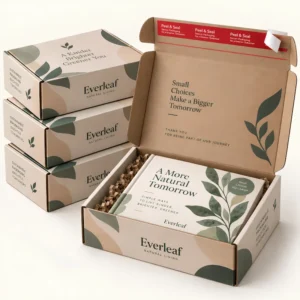
Storage boxes for books are sturdy cartons designed to hold books upright or flat, protect covers and spines from dust, light and knocks, and make a collection easy to move, stack and find again. They suit a home library, a classroom, an office archive and a bookseller, because books are heavy, awkwardly shaped and easily damaged at the corners if they are packed loosely. Choosing storage boxes for books that fit the size of your books and the weight you can lift safely will keep a collection in good condition for years.
Why storage boxes for books need a different approach
Books are heavier than they look. A box full of paperbacks can quickly become too heavy to lift safely, and a box full of hardbacks can strain the base and the handles if the board is too thin. For that reason, book boxes are usually smaller than general storage boxes, with stronger board and a size that limits the total weight when full. A smaller box that you can lift with both hands is safer for you and kinder to the books than a large box that sags or splits.
Books also damage each other. A hardback corner can dent a paperback cover, a loose book can slide and crease pages, and books packed at an angle can warp spines over time. Good book storage keeps books upright and snug, or flat in stable stacks, with no room to lean or slide. Dust and light are slower threats, but they matter for a collection kept for years: a lidded box keeps dust off top edges, and a box kept out of direct sunlight helps covers keep their colour.
Finding books again is the third reason to choose proper boxes. A collection in unlabelled bags or random cartons is hard to search, and books often get damaged when someone digs through a box to find one title. Labelled boxes, grouped by subject, author or room, make it easy to locate a book without unpacking everything. That simple habit saves time and prevents the handling damage that comes from repeated searching.
Upright, flat or spine down: which way to pack
Most books store best upright, spine out, as they stand on a shelf, with books of similar height together so taller books do not lean on shorter ones. Fill each row snugly, but not so tightly that pulling one book out tears a cover. If a row is only partly full, use a bookend, a piece of board or a rolled towel of paper to keep the row upright, because leaning books can warp over weeks and months. For very large or heavy books, such as atlases or art books, flat stacking is often better, with the largest book at the bottom and no more than a few books in each stack.
Protecting spines, covers and page edges
Spines suffer when books are pulled by the top of the spine or packed spine down under weight. Lift books by the middle of the spine, and avoid packing books spine down in a deep box where weight presses on the spine. Covers suffer from rubbing, so avoid packing books so tightly that covers scrape on removal, and use paper between a glossy cover and a rough neighbour if needed. Page edges, especially the top edge, collect dust, so a lid or a cover sheet helps, and books should not be stored in a damp place where pages can stick or grow mould.
Sizes and materials for storage boxes for books
Paperbacks, standard hardbacks and large format books need different box sizes. A box for paperbacks can be shallower and narrower, while a box for hardbacks needs more height and a stronger base. A box for large format art books needs a wide, flat shape and should not be filled to a great height, because the weight of a tall stack can damage the books at the bottom. Measure your tallest and widest books in each group, then choose a box that fits that group with a little room for a label and a sheet of paper on top.
Corrugated cardboard is the usual material for book storage boxes, because it is light, strong and easy to label. Single wall board suits a small box of paperbacks, while double wall board suits hardbacks and heavier collections. For valuable or rare books, acid free board is worth asking about, because ordinary board can, over a very long time, affect paper. You do not need acid free board for everyday paperbacks, but for a collection you intend to keep for decades, it is a sensible question to raise with your supplier.
Lids, handles and hand holes all affect how easy a box is to use. A separate lid gives the best dust protection and makes stacking tidier, while a tuck in lid is quicker to close. Hand holes help lifting, but they also let dust in and can weaken the side if the box is very heavy, so for heavy book boxes, a box without large hand holes, lifted from the base, is often safer. Test a box with real books before you buy many, and lift it as you would at home or in an office.
Grouping a collection before you pack
Sort books before you pack them, not after. Group by subject, author, size or room, whichever system you will actually use to find books later. Keep series together, keep reference books you use often in an accessible box, and set aside damaged books for repair rather than packing them with sound books where they could cause further damage. Sorting first also shows you how many boxes you need and which sizes will be used most.
Labelling that helps you find a book fast
Label each box on at least two sides, and on the lid if the box will be stacked, with a short, clear description such as fiction, history or cookbooks, plus a number if you keep a list. A list on paper or on a phone, matching box numbers to titles or subjects, turns a stack of boxes into a searchable collection. Use a label that stays readable in a loft, garage or store room, and avoid writing only on the top, because the top is hidden when boxes are stacked.
Packing, stacking and storing book boxes safely
Pack books in layers that you can lift. Place the heaviest books at the bottom, keep each layer level, and fill small gaps with paper so books cannot slide. Do not overfill a box so the lid will not close, because an open lid lets dust in and makes stacking unsafe. Do not underfill a box so books lean, because leaning damages spines. A box that is full but not bulging, with a lid that closes flat, is the goal.
Stack boxes on a flat, dry surface, with the heaviest boxes at the bottom and lighter boxes on top. Keep stacks to a height you can manage safely, and leave a small gap for air circulation if boxes will be stored for a long time. Avoid storing book boxes directly on a concrete floor, where damp can rise, and avoid places with large temperature changes, such as an uninsulated loft in summer, where heat and damp can both harm paper. A dry, cool room, away from direct sunlight and away from pipes, is best.
When you move book boxes, lift from the base with both hands, keep the box close to your body, and ask for help with heavy boxes rather than dragging them. Dragging can tear the base and damage the books inside. You can compare small shipping boxes for sending single books by post and you can see subscription boxes for book subscription packaging. If you need printed or custom sized boxes, you can request a custom quote for book storage boxes and you can browse the full shop for storage packaging.
Long term storage tips for a valued collection
Check stored books once or twice a year, especially in a garage, loft or store room. Look for signs of damp, insects or a sagging box, and move affected boxes to a drier place promptly. Replace any box that has softened, torn or become damp, because a weakened box can fail suddenly when lifted. Keep books away from food and drink in storage, and keep the storage area clean, so dust and pests do not build up around the boxes.
Storing books in a small home
In a small home, book boxes can double as tidy storage under a bed, on top of a wardrobe or in a cupboard, provided the boxes are labelled and not overfilled. Choose boxes that fit the space exactly, rather than boxes that waste space or stick out, and keep a list of what is in each box on your phone. Rotate boxes occasionally, so the same box is not left in a damp corner for years without a check, and keep the books you read most on a shelf, not in a box.
Frequently asked questions
1. Should books be stored upright or flat? Most books store best upright and snug, like on a shelf. Very large or heavy books store better flat, with the largest at the bottom and only a few in each stack.
2. How heavy should a box of books be? A box of books should be a weight you can lift safely with both hands from the base. Smaller boxes are usually safer than large boxes filled with books.
3. Do I need acid free boxes for everyday books? Everyday paperbacks do not usually need acid free board. For rare or valuable books kept for decades, acid free board is worth asking about.
4. How do I stop books leaning in a partly full box? Fill the gap with a bookend, a piece of board or rolled paper, so the row stays upright. Leaning books can warp over time.
5. Where is the best place to store book boxes? A dry, cool room away from direct sunlight, damp floors and pipes is best. Check boxes once or twice a year for damp or damage.