
small postage boxes
Showing the single result
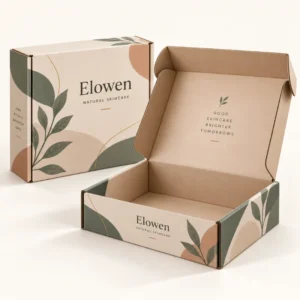
Small postage boxes are compact cardboard boxes used by online sellers, small businesses and home senders to post light orders safely and neatly. They are sized for the kinds of items that make up most small orders, from cosmetics and accessories to books, stationery and small gifts, and they keep packing quick because one or two sizes can cover a wide range of products. When small postage boxes fit the product well, parcels look professional, travel better and are easier for customers to open and recycle.
Why small postage boxes suit online selling
Online selling depends on repeatable packing. If every order needs a different box, packing slows down, mistakes increase and the stockroom fills with half used sizes. A small range of small postage boxes solves that problem, because staff can learn the sizes quickly, pick the right box at a glance and pack in a steady rhythm. Customers also benefit, because a consistent parcel size is easier to collect, store and return if needed, and it gives a clear impression of a business that has thought about delivery.
Small boxes also help with presentation. A product that arrives in a box only slightly larger than itself, with a little tissue or paper cushioning, looks cared for. A product that arrives rattling in a large carton can look careless, even if it is undamaged. For a small business, that difference matters, because the parcel is often the first physical contact a customer has with the brand. A neat box, a clean label and a short thank you note inside can do more for repeat orders than a fancy outer design that adds bulk.
Stock control is simpler with small boxes too. Flat packed boxes store neatly on a shelf or in a cupboard, and a small range is easier to count and reorder than a long list of one off sizes. If you sell a mix of products, choose a small box for your most common item, a slightly larger box for bundles, and a slim box for flat items such as books or prints. That three size approach covers most orders without overcomplicating the packing bench.
Choosing sizes for a product range
Group your products by size and weight before you choose boxes. Measure each product with its normal wrapping, then look for a box that gives a little room for cushioning without leaving a large empty gap. For fragile products, allow more cushioning room. For sturdy products, a snugger fit is fine. Test the box with the real product, seal it, shake it gently and check whether the product moves. If it moves freely, add cushioning or choose a smaller box. If the box bulges, choose the next size up.
One size, a bundle size and a flat size
A useful starting set is one standard small box for single items, one larger small box for two or three items together, and one flat box for books, prints or folded items. This set keeps packing decisions simple and helps you buy in sensible quantities. Over time, sales data will show which size you use most, and you can adjust your stock to match. Avoid buying a new size for every new product, because that quickly creates waste and confusion at the bench.
Materials, strength and printing for small postage boxes
Corrugated board is the usual material for small postage boxes, because it is light, strong and recyclable. Single wall board suits most light orders, while double wall board suits heavier items, such as books or ceramics, and orders that will travel further or be stacked. The flute, which is the wavy layer inside the board, also matters: a finer flute gives a smoother surface for printing, while a coarser flute gives more cushioning. Ask your supplier which board suits your heaviest regular product, rather than choosing on appearance alone.
Printing on a postal box can be subtle or bold. A logo and a web address on the outside help customers recognise the parcel and find you again, while a message inside the lid is seen at the moment of opening, when the customer is most engaged. Keep outside print simple and legible, because the address label must remain the clearest detail on the box. Inside print can carry more personality, such as a thank you message, care instructions or a note about recycling the box.
Sustainability is now part of the buying decision for many customers. Cardboard boxes can be recycled through normal paper recycling, and many customers will reuse a sturdy box for storage or a return. Choose board that is easy to recycle, avoid plastic tape where a paper tape alternative works for your needs, and keep inserts to paper based materials where possible. A short recycling note inside the box can help customers dispose of packaging correctly without adding a separate leaflet.
Board grades and when strength matters most
Strength matters most when the product is heavy for its size, when the parcel will be sorted by machine, or when other parcels may rest on top of it. Books, tools, glass and ceramics all benefit from stronger board and good cushioning. Light items, such as clothing, stationery or soft accessories, travel well in standard single wall board. If you are unsure, pack a test parcel with your heaviest product and send it to yourself or a colleague, then inspect the box on arrival for dents, crushed corners or tape failure.
Printed boxes and plain boxes side by side
Plain boxes are practical when you need stock quickly, when you use labels for branding, or when you sell through a marketplace where your own branding is less visible. Printed boxes are better when you want every parcel to carry your brand, when you sell direct to customers, or when you want a consistent unboxing experience. Many sellers use plain boxes for standard orders and printed boxes for gift orders or seasonal campaigns, which balances cost and presentation.
Packing, labelling and returns with small postage boxes
A good packing routine saves time and reduces damage. Set out boxes, cushioning, tape, labels and any inserts before you start, then pack in batches by product type. Wrap fragile items individually, place them in the centre of the box, fill gaps firmly, seal the box with wide packing tape and label the largest flat side. Check each parcel before sealing, because opening a sealed box to add a missing item can mark the board and waste tape.
Labelling should be clear and complete. Include the recipient name, address and postcode, and a return address on the back or inside the box. If you use a printed label, check that the barcode is flat and not creased over an edge, because a creased barcode can be hard to scan. For Royal Mail small parcels, remember that the finished parcel, including box and cushioning, should fit within 45 cm by 35 cm by 16 cm and weigh no more than 2 kg, so measure a packed example for each box size you use.
Returns are easier when the original box is sturdy enough to reuse. A customer who can reuse the box, with a returns label inside, is more likely to return an item promptly and in good condition. You can compare a single small postage box for one off sends and you can compare small shipping boxes for heavier orders. If you need printed boxes in your own design, you can request a custom quote for printed postage boxes and you can browse the full shop for packaging supplies. For size guidance, you can read Royal Mail guidance on sending small parcels.
A simple packing bench routine
Keep your most used box at hand height, cushioning within reach, and tape and labels in fixed places, so packing does not involve searching for supplies. Pack orders in the order they were received, check each order against its packing note, and seal and label each parcel before moving to the next. This order reduces mix ups and keeps the bench clear. At the end of each session, count remaining boxes, note any size that is running low, and tidy inserts so the next session starts cleanly.
Preparing parcels for collection or drop off
Stack sealed parcels upright with labels facing the same way, so they are easy to count and hand over. Keep fragile parcels on top of heavier ones, and avoid stacking heavy parcels on light ones in a bag or cage. If you use a collection service, have parcels ready at the agreed time and place, and keep a record of tracking numbers where tracking is available. A tidy handover helps the carrier and reduces the chance of a parcel being missed.
Frequently asked questions
1. How many sizes of small postage boxes do I need? Most small sellers manage well with two or three sizes: one for single items, one for bundles and one flat size for books or prints. Add sizes only when sales show a clear need.
2. What is the Royal Mail small parcel limit? A small parcel should weigh no more than 2 kg and measure no more than 45 cm by 35 cm by 16 cm as a finished parcel. Always measure the sealed box.
3. Can small postage boxes be custom printed? Yes, logos, patterns and inside lid messages can be printed. Allow time for artwork checking and approval before production.
4. Are small postage boxes recyclable? Cardboard boxes can usually be recycled through normal paper recycling. Remove tape and labels where practical and flatten the box before recycling.
5. Can customers reuse the box for a return? Yes, if the box remains strong and clean. Include a returns label and simple instructions inside the original parcel to make returns easy.