
small postage box
Showing the single result
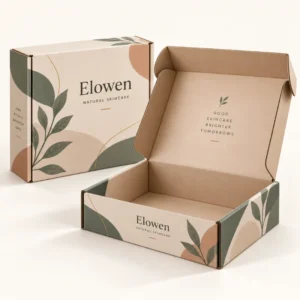
A small postage box is a compact cardboard box made for sending one light item safely through the post, without the waste or cost of a large carton. It holds its shape in sorting and transit, gives room for cushioning around the item, and leaves a flat surface for a clear address label. Choosing a small postage box that fits the item closely is one of the simplest ways to send a gift, a return or a single order well.
Why a small postage box suits a single send
When you send one item, a small box is easier to pack, easier to carry to a postbox or collection point, and easier for the recipient to open and recycle. A large box with a lot of empty space lets the item move, which increases the chance of scuffs, dents or a broken corner. A small box with a snug fit and a little cushioning keeps the item still, so it arrives in the condition you packed it in. That matters most for gifts, where the first impression on opening is part of the experience.
A single item send also benefits from simple packing. You can wrap the item once, place it in the centre of the box, fill the small gaps, seal the box and label it. There is no need for layers of dividers or a complicated arrangement. If the item is fragile, a small box makes it easier to judge how much cushioning you need, because you can see at once whether the item touches the sides. If it does touch, add more cushioning or choose the next size up, rather than forcing the lid closed.
For a business, a small postage box is useful for samples, single product orders and replacements. It keeps the packing bench tidy, because one size can cover many similar items, and it helps the customer recognise a consistent parcel when repeat orders arrive. For a personal send, it turns a loose item in a bag into a proper parcel, which is easier to address, easier to track where tracking is available, and less likely to be damaged by other mail in the same bag or cage.
What counts as small for posting in the UK
In the UK, Royal Mail describes a small parcel as weighing up to 2 kg with maximum dimensions of 45 cm in length, 35 cm in width and 16 cm in thickness. Those limits apply to the finished parcel, including the box and cushioning, not only to the item inside. A box that fits well inside those limits is a good choice for many single gifts, books, cosmetics, small electronics and accessories. Always measure the sealed parcel before you post, because cushioning and tape can add a little to each dimension.
Measuring the finished parcel correctly
Measure length as the longest side, width as the next side and thickness as the smallest side, after sealing. Weigh the parcel on kitchen scales if you have them, and include the weight of the box, wrapping and label. If your parcel is close to a size or weight limit, choose a slightly smaller box or lighter cushioning where it is safe to do so, or check the next service band before posting. A quick measure at home avoids surprises at the counter or at a drop off point.
Choosing the right small postage box
Start with the item and its wrapping. A book in a paper sleeve needs less room than a mug in bubble wrap, and a candle in a gift box needs a box that fits the gift box, not only the candle. Allow about 2 cm to 5 cm of cushioning around fragile items, and less for sturdy items such as folded clothing or a paperback book. The box should close flat without bulging, because a bulging box is harder to seal, harder to stack and more likely to be opened by pressure in transit.
Board strength matters as much as size. Single wall corrugated board suits light, sturdy items and short journeys, while double wall board suits heavier or more fragile items and longer handling. A book, for example, is heavy for its size, so a stronger box and a snug fit will protect the corners better than a large, thin box with a lot of empty space. A cosmetic bottle needs cushioning that stops leaks from spreading, so wrap the bottle separately and place it upright where possible.
Think about how the recipient will open the box. A clean tear strip or a simple taped seal is easier than layers of tape, and a clear label on the largest flat side helps the carrier and the recipient. If you are sending a gift, you can place a gift message inside the box, away from the address label, so it is found on opening rather than on the outside. Keep the outside free of old labels, because an old barcode or address can cause confusion during sorting.
Single wall and double wall board explained
Single wall board has one fluted layer between two flat liners. It is light, easy to fold and strong enough for most single items under normal handling. Double wall board has two fluted layers and three liners, so it resists crushing and punctures better. Choose double wall when the item is heavy, valuable or fragile, when the parcel will travel a long way, or when other parcels may be stacked on top of it. For most small gifts, single wall board with good cushioning is enough, and it keeps the parcel lighter.
When to step up to a stronger box
Step up to a stronger box when the item is dense, such as a book, a tool or a ceramic piece, when the item has corners or edges that can pierce thin board, or when you know the parcel will be handled many times. A stronger box is also worth using for a return, because the recipient may reuse the same box and it needs to survive a second journey. In both cases, the extra strength is a practical choice, not a luxury, because it protects the item and avoids a second send.
How to pack a small postage box well
Pack in a clear order. First, wrap the item in a way that suits its material: paper for a book, bubble wrap for glass or ceramics, a sealed bag for liquids or cosmetics. Second, place a layer of cushioning in the base of the box. Third, set the item in the centre, away from all sides. Fourth, fill the gaps with paper, bubble wrap or air cushions, so the item does not move when you shake the box gently. Finally, seal all seams with strong packing tape and press the tape down firmly.
Sealing deserves attention. Tape the centre seam first, then the side seams, using wide packing tape rather than narrow office tape. For a heavier item, tape in an H shape across the top and bottom, which spreads the load and stops the box opening at a corner. Write the address clearly on a label on the largest flat side, include the postcode, and add a return address on the back or inside the box. A return address helps if the parcel cannot be delivered for any reason.
If you post regularly, keep a small stock of the sizes you use most, plus tape, labels and cushioning, in one place. That routine saves time and stops you reaching for a box that is too large simply because it is the only one to hand. You can see the range of small postage boxes for repeat sending and you can compare small shipping boxes for heavier single items. For custom printing or a specific size, you can request a custom quote for a printed postal box. Royal Mail also publishes useful size guidance, and you can read Royal Mail guidance on sending small parcels before you measure your parcel.
Common packing mistakes to avoid
The most common mistake is using a box that is too large and filling the extra space with loose paper that settles in transit, leaving the item free to move. Another common mistake is wrapping a fragile item but placing it against the side of the box, where it takes the first knock. A third mistake is sealing with too little tape, so a corner lifts and the box opens. Avoid all three by choosing a snug box, centring the item, filling gaps firmly, and taping every seam.
Packing books, mugs and cosmetics safely
Books need corner protection and a snug box, because a loose book can dent at the corners even in a short journey. Wrap the book in paper, place it flat where possible, and fill gaps so it cannot slide. Mugs need bubble wrap around the handle as well as the body, and should sit upright in the centre with cushioning on all sides. Cosmetics need a sealed bag around each bottle, so a leak does not damage the box or other items, and should be packed upright with cushioning that stops them tipping.
Frequently asked questions
1. What is the maximum size for a Royal Mail small parcel? Royal Mail lists a maximum weight of 2 kg and maximum dimensions of 45 cm by 35 cm by 16 cm for a small parcel. Measure and weigh the sealed parcel to check it fits.
2. Can I reuse a small postage box? Yes, if the box is clean, undamaged and still strong. Remove old labels, check the corners and seams, and reseal with fresh tape before posting again.
3. Should I use single wall or double wall board? Single wall board suits light, sturdy items. Double wall board suits heavy, fragile or valuable items and longer journeys.
4. How much cushioning should I use? Allow a little cushioning around sturdy items and about 2 cm to 5 cm around fragile items. The item should not touch the sides of the box and should not move when shaken gently.
5. Where should I put the address label? Place it clearly on the largest flat side of the box, with the postcode easy to read, and add a return address inside or on the back.