
royal mail postage box
Showing the single result
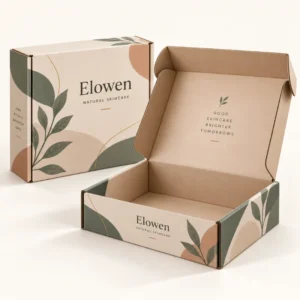
A royal mail postage box is a postal box chosen so that the finished parcel, once packed and sealed, fits inside a Royal Mail size and weight band. That single idea drives the whole choice, because the band decides how the parcel is handled and what service it can use. A box that looks right on a packing bench can still move into a larger band once cushioning, an address label and a layer of tape are added, so the finished parcel is what matters, not the empty box alone.
Choosing a royal mail postage box for one parcel
Start with the item, then add the protection it needs, then choose the box around that total. Measure the item at its longest, widest and tallest points, and add a small allowance for wrapping or cushioning at each side. A snug box protects better than a large box filled with loose material, because the contents cannot gather speed and strike the walls during sorting. If the item is fragile, allow a little more room for cushioning, but still aim for a fit where the item stays centred when the sealed box is gently tilted.
Royal Mail size bands in plain terms
Royal Mail uses size bands that combine length, width, thickness and weight, and the finished parcel must fit every limit in its band, not just most of them. A large letter parcel has a maximum length of 35.3cm, a maximum width of 25cm, a maximum thickness of 2.5cm and a maximum weight of 750g. A small parcel has a maximum length of 45cm, a maximum width of 35cm, a maximum thickness of 16cm and a maximum weight of 2kg. A medium parcel allows up to 61cm by 46cm by 46cm and up to 20kg. Check the current figures before you commit to a box size, because carrier rules can change.
Measure the finished parcel, not the empty box
Place the packed and sealed box on a flat surface and measure the longest side first, then the shorter side, then the thickness at its deepest point, including any bulge from cushioning or a label pouch. Weigh the finished parcel with everything inside, including any invoice, tissue paper or gift card. A parcel that is 1cm over a thickness limit, or a few grams over a weight limit, belongs in the next band, so a quick check at the packing bench saves a return or a surcharge later. Keep a tape measure and scales beside the bench for this reason.
Materials and strength for a single parcel
Corrugated cardboard is the usual material for a royal mail postage box because it is light, strong and able to absorb knocks without adding much weight. Single wall board suits light, sturdy items and small parcels, while double wall board gives extra stacking strength for heavier or fragile contents. Kraft board gives a natural look that suits plain branding and a simple label, while white board gives a clean surface for printed branding and a crisp address label. Choose the board that matches the weight of the contents and the distance the parcel will travel.
Packing a royal mail postage box well
Good packing starts with the item itself. Wrap a fragile item so every side is cushioned, place it centrally in the box, and fill the remaining space so nothing can shift when the box is turned over. Corners deserve particular care, because they take the first impact if a parcel is dropped, and a box that fits closely gives the corners far more protection than extra filling in the middle. Seal the box firmly along the centre seam and across the ends, and make sure the address label sits flat on the largest face, away from seams and edges.
When a box is better than a bag or an envelope
A box is the right choice when the item has a shape that must be protected, when it could be crushed by other parcels, or when it needs to arrive looking presentable. Books, cosmetics, ceramics, gift sets and small electronics all benefit from the rigid walls of a box, while soft clothing or a flat document may travel well in a bag or an envelope. If the item could bend, dent or snap, a box with a snug fit and a little cushioning will almost always give a better result than a flexible mailer that follows the shape of the item.
Labelling and returns notes
Write or print the address clearly, include the full postcode, and add a return address on the parcel so it can come back if delivery fails. Leave a clear area for the label, and avoid placing tape or a design element over the postcode or the barcode area. If you accept returns, a short returns note inside the box helps the customer and reduces messages to your team. Keep the outside of the box free of old labels, because an old barcode can confuse sorting and delay delivery.
Ordering a custom royal mail postage box
A custom printed royal mail postage box can carry a logo, a short message or simple handling guidance, which makes the parcel look professional and helps repeat customers recognise your brand. Keep the design clear and leave space for the address label, because a beautiful box that hides its label will cause problems at the sorting office. Corrugated formats take 12 to 15 working days after final artwork approval, while standard formats take 10 to 14 working days, and these figures describe production time only and are not a guaranteed delivery date. Share the finished parcel size you are aiming for, the typical weight of your orders and the board strength you need when you ask for a quote.
Checking your choice before a larger order
Before ordering in quantity, pack a sample parcel exactly as you would for a customer and check it against the size band you intend to use. Post the sample to yourself or to a colleague if you can, and inspect the box on arrival for crushed corners, a split seam or contents that have moved. That single test often reveals a box that is a little too large, cushioning that settles in transit, or a label position that needs to move. The Royal Mail small parcel guide sets out current maximum size and weight limits for a small parcel, so use it alongside your own measurements. For related packaging, see postal boxes and corrugated postal boxes. You can request a quote, browse the shop and read the delivery information page for planning.
Frequently asked questions
What size is a royal mail postage box?
There is no single size. A royal mail postage box is any postal box whose finished, packed parcel fits a Royal Mail band, so the right size depends on your item, its cushioning and the band you intend to use.
How do I check whether my parcel fits the small parcel band?
Measure the packed and sealed parcel at its longest, widest and deepest points and weigh it complete. A small parcel must be no more than 45cm by 35cm by 16cm and no more than 2kg.
Should I choose single wall or double wall board?
Single wall board suits light, sturdy items, while double wall board gives extra stacking strength for heavier or fragile contents. Choose the board that matches the weight of the parcel and the handling it will face.
Can a royal mail postage box be printed with my branding?
Yes. Printed postal boxes can carry a logo and a short message, provided you leave a clear, flat area for the address label away from seams and edges.
How long does production take after artwork approval?
Corrugated formats take 12 to 15 working days and standard formats take 10 to 14 working days after final artwork approval. These figures describe production time only and are not a guaranteed delivery date.