
corrugated postal boxes
Showing all 2 results

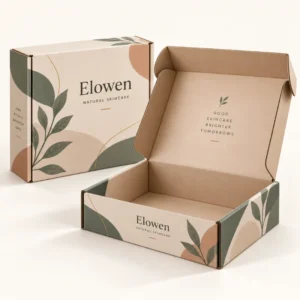
Corrugated postal boxes are corrugated board boxes designed for the postal system, from slim letter format packs to sturdy small parcel cartons. They protect the contents through sorting and delivery, present a clean face for labels and branding, and help senders choose a pack that fits the postal format they intend to use.
Why corrugated postal boxes fit postal work
Postal parcels face repeated handling, and a postal box must survive that handling without losing its shape or letting the contents move. Corrugated board gives that resilience, because the fluted layer cushions impacts and the liners resist tearing and crushing. A postal box that closes flat and seals fully also helps automated sorting, because it presents a stable shape and a clear label panel. That stability reduces delays and damage, and it gives the recipient a parcel that looks cared for.
Colour and finish also play a role. Brown kraft postal boxes give a practical, natural look and suit everyday business posting. White postal boxes give a bright, premium look, take labels cleanly and suit brands that want a tidy arrival. Printed postal boxes add a logo or a short message, so the parcel supports the brand from the moment it lands on a doorstep. The choice should reflect the brand and the service, not just the cheapest board available.
Postal formats and finished size
The finished packed item, not the empty box, decides the postal format. Measure the packed length, width and thickness at the thickest point, including any bulge at the seal, and weigh the finished parcel. A large letter must stay slim, with a maximum thickness of 2.5 cm and a maximum weight of 750 g in the published Royal Mail business guide. A parcel allows a larger size, up to 61 cm by 46 cm by 46 cm in that same guide. Small parcel and medium parcel services sit within those broader parcel limits, with their own size and weight rules, so check the service you plan to use.
Planning a box range around formats
Many senders hold a slim postal box for flat items, a standard postal box for everyday parcels and a deeper postal box for multi item orders. That range covers most orders without forcing a flat item into a deep box or a bulky order into a slim box. Keep a simple chart at the packing bench, showing which box suits which order type and which postal format the finished pack usually falls into. That chart helps new packers and keeps posting consistent.
Construction, closures and protection
Most postal boxes use single wall corrugated board, which suits light and medium parcels. Heavier parcels, fragile goods and long routes may need stronger board or a double wall construction. Self closing designs, with tuck in flaps, fold quickly and give a neat finish without tape. Self seal strips speed packing and give a clean closure. Tape closure adds security for heavy or valuable parcels, and a tear strip gives an easy opening that protects the contents from a knife.
Protection inside the box matters as much as the box itself. Wrap fragile items separately, separate items that could collide, and fill gaps just enough to stop movement. Place heavy items at the bottom and light items on top, and avoid a pack that bulges, because a bulging pack will not measure true and may not seal cleanly. A postal box should feel firm when lifted, with no shifting inside and no gap at the seal.
Labelling and addressing postal boxes
Place the address label on the largest flat panel, clear of seals, tear strips and folds. Use a label that adheres firmly to kraft or white board, and print the address large enough to read after handling. Add a return address where the service allows it, so an undeliverable parcel can come back. Keep handling notes short, such as fragile or this way up, and place them where they will be seen without covering the address.
Posting books, documents and flat goods
Flat goods need a postal box that holds them flat and protects corners and edges. A slim postal box with a firm board suits documents, prints, certificates and thin books. A slightly deeper postal box suits thicker books and portfolios, with a sleeve or tissue to stop scuffing. Measure flat goods closed, add a small allowance for protection, and choose a box that holds the item without bending or forcing.
Custom printed corrugated postal boxes
Print can be kept to a logo and a shop name, or extended to a full design across the outer panels. A simple outside design works well for postal boxes, because labels and seals need clear space. Inside print can carry a thank you note, care instructions or a returns note, which the customer reads on opening. Keep artwork clear of creases and seal areas, so the finished parcel looks intentional rather than crowded. You can check current format details on the Royal Mail UK parcel and letter services page before finalising a postal box range.
For custom printed orders, artwork approval comes first, and production follows after final artwork is approved. Corrugated lead times after final artwork approval are 12 to 15 working days. These are production lead times, not a promised delivery date, so allow time for artwork checks and for the postal service itself when you plan a launch or a seasonal send. To start, request a custom quote and a quote will confirm the specification, quantity and print details for your exact postal needs. You can also browse the full shop, read delivery information, learn about the team, and view corrugated mailing boxes for related options.
Recycling postal boxes after delivery
Corrugated postal boxes are widely recyclable through household cardboard recycling. Recipients can flatten the box, remove labels and tape where practical, and place it with cardboard recycling. Plain board is usually simplest to recycle, so weigh finishes against recycling goals when choosing a specification. A sturdy postal box can also be reused for storage or for a return before recycling.
Common postal box mistakes
Avoid guessing the postal format from the product alone, because packed size and weight decide the format. Avoid sealing a bulging box, because it may open or measure incorrectly. Avoid placing a label across a seal, because the label may lift on opening. A short check of size, weight, seal and label at the bench prevents most postal issues.
Frequently asked questions about corrugated postal boxes
What size corrugated postal box do I need?
Measure the packed product, including any sleeve or wrap, and choose a box whose internal size sits just above those figures. Then measure the finished parcel and check the postal format it falls into.
Can a corrugated postal box be a large letter?
Yes, if the finished packed item stays within large letter limits for size and weight, including a maximum thickness of 2.5 cm and a maximum weight of 750 g in the published Royal Mail business guide. Check current guidance before posting.
Do corrugated postal boxes need tape?
Many self closing and self seal postal boxes need no tape for light parcels. Heavy or valuable parcels usually benefit from tape for extra security and tamper evidence.
Are corrugated postal boxes recyclable?
Yes, corrugated board is widely recyclable through household cardboard recycling. Flatten the box and remove labels and tape where practical before recycling.
How do I order custom printed corrugated postal boxes?
Use the quote page to share sizes, quantities, board choices and artwork ideas. You will receive a quote based on your specification, and production follows after final artwork approval.