
printed subscription boxes
Showing the single result
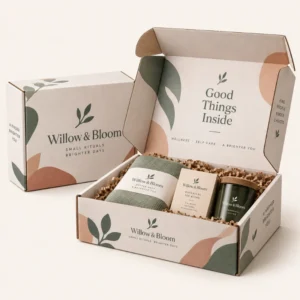
Printed subscription boxes are branded boxes made for repeat deliveries, where the same customer receives a curated set of products each month, each quarter, or on another regular cycle. Because the box arrives again and again, it becomes part of the subscription itself: a familiar parcel that signals a new delivery, protects a varied set of items, and creates an opening moment that customers look forward to. A subscription box that is consistent, well fitted and easy to open helps retention, because customers judge the service by every delivery, not just the first.
Why printed subscription boxes need a different approach
A one off order box only needs to work once, but a subscription box needs to work across many cycles, with contents that may change each time. One month may contain a bottle and a pouch, the next may contain several small items, and a seasonal box may contain a larger gift. The box, insert and packing method need to cope with that variation without looking improvised. A flexible insert, such as a card divider that can be adjusted, or tissue and paper fill that can be arranged around different items, often works better than a rigid insert made for only one combination.
Consistency is equally important. Customers notice when a box changes size, colour or print quality without explanation, because the parcel is part of the ritual. Keeping the same outer box, the same print specification and the same opening experience across cycles builds familiarity, even when the contents change. If a change is needed, for example a larger box for a seasonal edition, make it intentional and explain it in the box, so customers see it as a special edition rather than a mistake.
Unboxing as part of the service
For many subscription customers, opening the box is part of what they pay for. The first thing they see should be intentional: tissue, a card, a neatly arranged set of items, or a message that welcomes them to that month. Print inside the lid can carry a theme, a short note from the curator, or instructions for the items inside. Avoid burying the main items under a large amount of void fill, and avoid a box that is so tight that items are hard to remove without tearing the packaging.
Cards, guides and personal messages
A card inside a subscription box can explain the contents, give usage instructions, and invite feedback, all in one place. Keep the card short and readable, with the items listed in the order they appear in the box, so customers do not need to hunt for a missing item. A personal message, even a short printed note, can make a repeat delivery feel less automated. If the card carries a discount or a referral note, keep it separate from the main guide, so the guide remains useful after the offer is removed.
Sizes and inserts for varying contents
Size a subscription box for the largest likely combination, not the smallest, but avoid a box so large that small months look empty. A good compromise is a box that fits the usual set snugly, with tissue or paper fill that can fill a smaller set without looking sparse. Inserts should hold items upright where possible, separate items that could scratch each other, and keep heavier items at the bottom. Test the box with several different monthly combinations before ordering in volume, because a box that works for one month may fail for another.
Designing printed subscription boxes that stay fresh
Subscription print needs to balance a stable brand identity with a sense of newness each cycle. The outer box usually stays the same, carrying the main brand mark and a recognisable colour, while the inner card, tissue colour or insert message can change with the theme. This approach keeps production simpler, because the outer box can be ordered in larger quantities, while the inner parts can be updated more often. It also helps customers recognise the parcel immediately, even as the contents change.
Print placement should support that balance. The lid carries the main brand, side panels can carry a short tagline or a web address, and the inside lid can carry a message that changes less often than the card. Avoid print that dates quickly on the outer box, such as a specific month or season, unless the box is intended only for that edition. A timeless outer design, with seasonal details inside, usually lasts longer and reduces waste from outdated stock.
Seasonal editions and special boxes
Seasonal editions, such as a Christmas box, an anniversary box or a limited edition set, can use a different print, a different tissue colour or a special card, while keeping the same box size and structure. That keeps packing familiar for staff, while giving customers a reason to share the box. Plan seasonal editions early, because a change in print or insert needs proofing and production time, and a seasonal box that arrives late loses its impact. Keep a record of what worked for each edition, so successful details can be repeated.
Keeping print consistent across reorders
Consistency across reorders depends on keeping the same board, print specification and finish. Record the exact specification used, including board type, print colours and finish, and share it when reordering. Check a proof for each reorder, especially if the artwork has changed, and compare it with a previous box in daylight. Small colour shifts can be noticeable when a customer receives boxes side by side, for example if they keep an old box, so consistency is worth the extra check.
Ordering printed subscription boxes
Ordering starts with the usual set size, the largest seasonal set, the board preference, the print coverage inside and outside, and any insert or card. Share examples of several monthly combinations, so the box and insert can be tested against real contents rather than a single sample. Corrugated lead time after final artwork approval is 12 to 15 working days, so plan around the dispatch date for each cycle, allowing time for proofing, delivery and packing. The printed mailer boxes uk collection shows locking lid mailers that suit subscription deliveries, and the printed postal packaging collection covers the full postal system. You can request a quote, browse the shop, and read the delivery information page for planning.
Retention, returns and reuse
A subscription box that opens cleanly and can be closed again helps with returns and exchanges, because a customer can repack an item without needing a new box. A short returns note inside the box, with clear steps, reduces queries and makes the process feel straightforward. After delivery, corrugated boxes are widely recyclable when clean and dry, and many customers will recycle or reuse the box. A brief note about recycling, kept inside the lid, can remind customers without taking attention away from the contents.
Frequently asked questions
How is a subscription box different from a normal mailer box?
A subscription box is designed for repeat deliveries with varying contents, so it needs a flexible insert, consistent print across cycles, and an opening experience that stays enjoyable month after month.
Can I change the design for a seasonal edition?
Yes. Keep the outer box size and structure the same where possible, and change the inner card, tissue colour or insert message for the seasonal theme. Plan seasonal editions early to allow for proofing and production.
What insert works best for changing contents?
A flexible card divider, tissue and paper fill often work better than a rigid insert made for one combination, because they can be arranged around different items each month.
How long does production take?
Corrugated lead time after final artwork approval is 12 to 15 working days. Allow extra time for proofing, delivery to your packing area, and packing before the dispatch date.