
printed postal boxes
Showing all 5 results
-
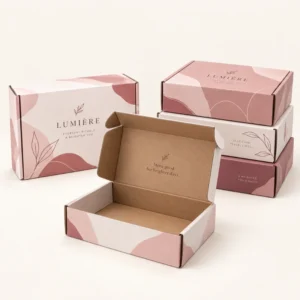
Custom Corrugated Mailer Boxes
Get a Quote -
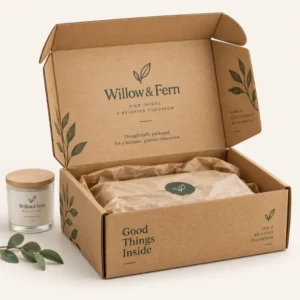
Custom Kraft Postal Boxes
Get a Quote -
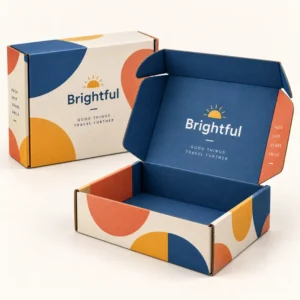
Custom Mailing Boxes
Get a Quote -

Custom Postal Boxes
Get a Quote -
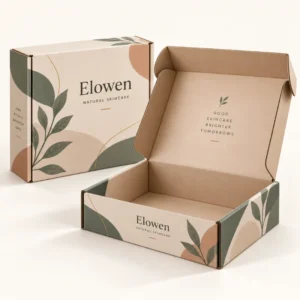
Printed Postal Boxes
Get a Quote
Printed postal boxes are sturdy corrugated boxes made to carry parcels through sorting, handling and delivery, with print that identifies the sender and gives the parcel a professional finish. They are chosen when protection matters more than a folding presentation lid, for example for heavier goods, multi item orders, or parcels that will be stacked with other parcels. A well chosen postal box keeps the contents still, resists crushing, and still looks like it came from a brand rather than a plain carton.
Why printed postal boxes suit parcel sending
Postal parcels go through many hands and many stages, from packing bench to van to sorting centre to final delivery. Along the way they may be stacked, turned, and placed beside heavier parcels. A postal box is built for that journey, with corrugated walls that absorb knocks and a taped closure that stays shut under load. Print does not weaken that structure when it is applied to the board surface, and it adds a clear benefit: the parcel is easy to identify, easy to associate with a brand, and less likely to look like an unmarked carton that could be mistaken for another delivery.
Printed postal boxes also help with customer trust. A parcel that arrives with a clear brand mark, a tidy closure and a flat delivery label feels intentional, even before it is opened. That impression matters for first orders, where the customer has not yet formed a view of the business, and for gifts, where the recipient may judge the sender by the parcel alone. Keep the print clear and the label area clean, and the parcel will do that job without extra outer packaging.
Board strength and flute choice
Board strength should match the weight and fragility of the contents, not just the size of the box. A light parcel in a very strong box wastes board and space, while a heavy parcel in a light box risks crushing and splitting. Single wall corrugated board suits many online parcels, while double wall board suits heavier goods, stacked storage, or items that need extra resistance to compression. The flute, which is the wavy layer inside the board, affects both strength and print smoothness, so a finer flute often prints more cleanly while a coarser flute gives more cushioning.
Testing a postal box before volume use
Pack a real order in the proposed box, tape it as you would for a customer, and test it as a parcel. Lift it by the tape, turn it on its side, stack a similar parcel on top, and shake it gently to check for movement. Open it and look for scuffs, dents or movement marks on the product. This short test reveals whether the board, size and void fill are right, and it is far cheaper than discovering a weakness after many parcels have been sent.
Sizes, closures and taping
Size a postal box from the product as packed, including any inner retail box, wrap or insert. A snug box protects better than a large box filled with void material, because the product cannot gather speed when the parcel moves. For closure, use tape across the main seam and, for heavier parcels, a second strip across the centre seam. Check that the tape adheres well to the printed surface, because some finishes can make tape lift. If tape adhesion is a concern, test it on a printed sample before ordering in volume.
Print design for printed postal boxes
Print on a postal box should be bold, simple and easy to read from a short distance. The largest panel is usually the best place for the main brand mark, because it is visible when the parcel is carried and when it is placed on a doorstep. Secondary panels can carry a short message, a web address or a handling note, but they should not compete with the main mark. Avoid very small text on a postal box, because it may be hard to read after handling, and avoid print that covers the area where the delivery label will sit.
Colour choice should consider the board. Dark print on kraft is clear and practical, while full colour on white gives a brighter, more photographic result. If the brand uses a specific colour, check it on a proof on the actual board, because kraft will warm the colour and white will keep it brighter. A consistent colour across reorders helps customers recognise parcels quickly, so keep a record of the board and print specification used.
Handling notes and label placement
Handling notes such as a fragile mark or a this way up mark can help, but they should be used only where they are true and useful. A fragile mark on every parcel loses meaning, and a handling note that is printed too small may be missed. The delivery label needs a flat, clean area that is not over a fold, a join or a busy pattern. Test the label on a printed sample, including any barcode scanning, before the full run, because a label that peels or scans poorly can cause delays.
Multi item parcels and inserts
Multi item parcels need internal organisation. Pack the heaviest item at the bottom, separate items that could scratch each other with paper or card, and fill gaps so items cannot move independently. A card divider or a fitted insert can keep sets together and make opening tidier, especially for gift sets and subscription style orders. Check the finished parcel weight and size, because a multi item parcel can quickly become larger and heavier than a single item parcel.
Ordering printed postal boxes
Ordering needs a clear specification: internal size, board type, print coverage, quantity, and any divider or insert. Corrugated lead time after final artwork approval is 12 to 15 working days, so plan around busy periods and allow time for proofing and delivery to your packing area. The printed postal boxes uk collection covers UK focused postal options, and the printed mailing boxes collection covers flatter and lighter mailing styles. You can request a quote, browse the shop, and read the delivery information page for planning.
Storage and packing bench use
Postal boxes are usually supplied flat, which saves storage space and makes it easy to keep several sizes on hand. Store flat boxes in a dry place, away from damp floors and direct heat, so the board stays flat and tape adheres well. On the packing bench, keep the most used size within easy reach, keep tape and labels together, and pack in a consistent order so every parcel is sealed the same way. Consistency on the bench reduces errors and keeps the finished parcels looking uniform.
Shipping printed postal boxes
Printed postal boxes are made for shipping, so the shipping plan should be built around the postal formats they will travel in. Size the box from the product as packed, including any inner retail box, choose board that survives sorting and stacking, and leave a clear flat area for the delivery label so the printed branding is not covered. Seal the box securely and test a shipped sample, because a printed postal box that looks strong on a shelf but splits or scuffs in shipping fails the very job it was printed for.
Frequently asked questions
Are printed postal boxes stronger than mailer boxes?
They can be, when a stronger board or double wall board is chosen. Mailer boxes are designed for presentation and quick packing, while postal boxes are designed mainly for protection in transit.
Can I print on all sides of a postal box?
Yes, but keep the delivery label area clear and keep the main brand mark on the largest panel. Print on side panels should be simple so it does not compete with the label.
How do I choose between single wall and double wall board?
Use single wall board for light to medium parcels and double wall board for heavy goods, stacked storage, or fragile items that need extra resistance to compression. A packing test will confirm the choice.
How long does production take?
Corrugated lead time after final artwork approval is 12 to 15 working days. Allow extra time for proofing and delivery to your packing area.