
press kit boxes
Showing the single result
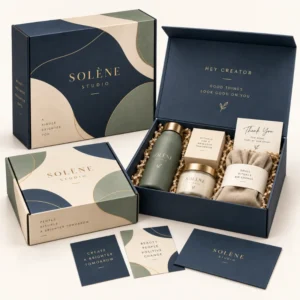
press kit boxes are structured boxes that hold a product sample together with the documents a journalist or editor needs, such as a press release, product information and brand material. They keep papers flat, samples secure and the whole story in one place, so nothing is lost in a busy inbox or a crowded desk. A well organised press kit box makes coverage easier, because the recipient can find every fact in one opening.
What belongs in press kit boxes
A press kit box typically holds a press release, a product fact sheet, images or image information, a company background note and the product sample itself. Some kits also include a lookbook, a sample card or a small branded item that supports the story. The key is selection. Every item should earn its place by helping the recipient understand, photograph or write about the product. Items that repeat the same information only add bulk and distract from the sample.
Organising documents and samples in one box
Use compartments or a layered layout to keep documents separate from the product. Papers can sit in a flat sleeve or under a card tray, while the product sits in a fitted insert on top or beside them. This order means the product is seen first, while the documents remain clean and flat underneath. Numbered sections or a simple contents card can help, especially for a kit with several products or variants. Keep the contents card brief and factual.
Writing press material that journalists can use
Press material should be written for use, not only for reading. Use short paragraphs, clear headings and factual language. State the product name, the launch date, the main features and the intended audience in the first few lines. Include a contact name and a route for images or further samples. Avoid jargon and avoid claims that cannot be checked. A journalist who can lift a fact with confidence is more likely to use it.
Box formats for press kit boxes
Press kit boxes come in mailer, presentation and rigid formats. A mailer format suits a postal kit sent to many contacts, because it is light, protective and easy to post. A presentation box suits a smaller list where the kit will be handed over in person or kept for reference. A rigid box suits a premium kit with several items, because it holds its shape and protects documents from bending. Choose the format after you know how many documents and samples the kit must hold.
Materials that protect papers and products together
Card and corrugated board are practical for most press kit boxes. Corrugated board protects a product in the post, while a smooth card tray keeps documents flat and clean. Rigid board gives a firmer structure for a kit that will be stored and reopened. For a kit with a glass or ceramic sample, combine a protective insert for the product with a separate flat area for papers, so the sample cannot press against a document and crease it.
Print and finish for a professional kit
Print should be consistent across the box, the insert and any document covers, so the kit looks like one designed set. A clean outside print with the brand and the launch name is often enough, while inside print can carry a short welcome message or a contents list. Matte finishes suit document led kits, because they reduce glare and feel easy to handle. Keep foil or gloss to a small accent, so the kit looks considered rather than loud.
Ordering press kit boxes with a complete brief
Prepare a contents list before you request a quote: product dimensions, document sizes, number of items and the recipient count. Compare press boxes for sample led formats and pr mailer boxes for postal formats, then use get a quote for a tailored quote. Check delivery information when planning dates. As a guide, standard production after final artwork approval is 10 to 14 working days, corrugated formats are 12 to 15 working days, and rigid or specialist formats are 13 to 16 working days. These are guides, not guaranteed dates.
Artwork, proofing and document checks
Check artwork and documents together, because an error in a press release will matter as much as an error on the box. Confirm product names, dates, spelling of names and any figures that will be quoted. Check that document sizes fit the box layout and that text on an insert does not sit under a product. A printed proof or a clear digital proof helps catch layout problems before production, especially where a document cover and a box panel must match.
Packing, posting and follow up
Pack kits in a consistent order so every recipient has the same experience. Place documents flat, fit the product into its insert, add tissue if needed, and close the lid without forcing it. Keep a record of who received which kit, so follow up can be personal and accurate. Allow time for the recipient to read the kit and test the sample before any embargo date, and be ready to supply extra images or samples on request.
Frequently asked questions
What is the difference between press kit boxes and press boxes?
Press kit boxes are document led kits that combine samples with press material in an organised layout. Press boxes is a broader term for boxes sent to the press, with or without a full document set.
What documents go in press kit boxes?
A press release, a product fact sheet, company background and image information are typical. Keep each document short and factual, and avoid repeating the same facts across several sheets.
Can press kit boxes hold several products?
Yes, with a fitted insert and compartments. Plan the layout around the largest item first, then place smaller items so each one is visible and secure.
How long do press kit boxes take to produce?
As a guide, standard production after final artwork approval is 10 to 14 working days, with corrugated formats at 12 to 15 working days and rigid or specialist formats at 13 to 16 working days.