
postage boxes royal mail
Showing the single result
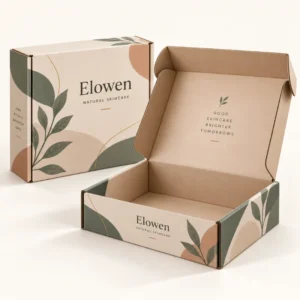
Choosing postage boxes royal mail senders can rely on starts with size and weight, not with the box alone. Royal Mail sorts mail by format, so a box that fits one band may cost more to post if it is packed a little too deep or a little too heavy. The right box keeps the packed parcel inside the intended band, protects the contents, and leaves a clear face for the label.
How postage boxes royal mail sizing works
Royal Mail uses format bands that set maximum length, width, depth, and weight for each type of mail. A letter is the smallest format, followed by large letter, small parcel, and medium parcel. The packed parcel is what counts, so board thickness, cushioning, tape, and any bulge all form part of the final measurement. A box that looks right when empty can move into a higher band once it is filled and sealed, especially if fragile items need thick cushioning.
For most online sellers, the important boundary is between large letter and small parcel. A large letter must be flat enough to fit through a letterbox style size check, with a strict depth limit. A small parcel allows much more depth and weight, which suits boxed goods, folded clothing, shoes in a box, and small electronics. A medium parcel allows larger and heavier parcels, which suits bulkier orders and goods that cannot fit a small parcel box.
Large letter boxes and slim mailers
Large letter boxes suit flat products such as books with a slim profile, documents in a rigid mailer, prints, thin gift sets, and small accessories in a shallow box. The key is to keep depth under control. Use cushioning that protects without adding unnecessary bulk, and choose a box depth that matches the product. A book wrap style mailer with an adjustable depth can help, because it folds around the contents rather than leaving empty space that must be filled.
Measuring a large letter parcel correctly
Measure the sealed parcel at its deepest point, including any tape or bulge. Weigh the sealed parcel as well, because both size and weight must stay within the band. If either measurement is close to the limit, test pack again with thinner cushioning or a slimmer box, or accept the small parcel band and choose a box that gives proper protection for that format.
Small parcel boxes for everyday orders
Small parcel boxes are the workhorse for many UK sellers. They suit cosmetics, candles, mugs in protective packaging, folded garments, stationery sets, and small homeware. A single wall box suits light orders, while a double wall box suits heavier orders, fragile goods, and parcels that may be stacked during sorting and delivery. The box should be large enough for cushioning, but not so large that contents can move freely.
Packing a small parcel so it stays in band
Wrap each fragile item separately, fill gaps with void fill, and keep items away from the box walls where possible. Seal seams fully and keep the label face flat. If the box bulges after sealing, repack it. A bulging box may fail a size check and may also be more likely to split, which puts both the contents and the delivery at risk.
Choosing board, print, and quantity
Board choice affects protection, presentation, and weight. Kraft board gives a natural, recyclable look that suits many independent brands. White board gives a clean surface for print and a bright finish for gift and posted orders. Printed mailer boxes add branding to the outside of the parcel, so the delivery itself becomes part of the customer experience. Plain boxes suit varied products and urgent orders, while printed boxes suit repeat products where the same size is used again and again.
Printed orders are made to order, so plan production time into your schedule. Standard printed orders are usually completed in 10 to 14 working days after final artwork approval, corrugated orders in 12 to 15 working days, and rigid or specialist orders in 13 to 16 working days. Those figures describe production guidance after artwork approval, not a guaranteed delivery date for the finished boxes. For an urgent posting, a plain box in a suitable size is the safer choice.
For current size and weight limits, check the Royal Mail size and weight guide. To browse plain and printed options, visit the shop for postal and mailer boxes. For a tailored size or print, use the request a quote for custom boxes page. Related guidance is available on postage boxes for UK sending and postage cardboard boxes and board types.
Frequently asked questions about postage boxes royal mail
What is the difference between a large letter box and a small parcel box?
A large letter box is shallow and flat, while a small parcel box allows greater depth and weight. The packed parcel, including cushioning and tape, decides which band applies, so always measure after sealing.
How do I measure a box for Royal Mail posting?
Measure length, width, and depth of the sealed parcel at its largest points, and weigh the sealed parcel. Compare both results with the current Royal Mail size and weight guide before choosing a service.
Do I need double wall board for Royal Mail parcels?
Double wall board is a good choice for heavier or fragile parcels and for parcels that may be stacked. Single wall board is usually enough for light, non fragile items in a well packed box.
Can a printed mailer box be used for Royal Mail posting?
Yes, a printed mailer box can be used for Royal Mail posting if the packed size and weight fit the chosen band and the label face stays clear. Choose a size that allows proper cushioning without bulging.
What happens if my parcel is slightly over the size limit?
A parcel over the size or weight limit for a band will be treated as the next band, which may change the service and the postage needed. Repacking into a suitable box or choosing the correct band before posting avoids delays and surcharges.