
peel and seal postal boxes
Showing the single result
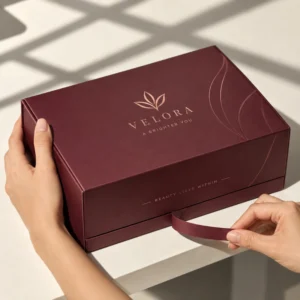
Peel and seal postal boxes are postal boxes that close with a built in adhesive strip, so parcels can be packed and sealed without tape. They are popular with online sellers and fulfilment teams because they speed up despatch, give a tidy finish and often include a tear strip for easy opening. This guide covers formats, sizes, packing technique and how to choose a postal box that suits the product and the parcel service.
What peel and seal postal boxes are for
A postal box is designed for the journey through sorting, transport and delivery, not just for storage on a shelf. It needs to protect the contents, stay closed, carry a label clearly and arrive looking presentable. A peel and seal closure helps with all of those goals, because it is consistent from parcel to parcel and it avoids loose tape ends or uneven taping.
Postal boxes come in white and kraft finishes. White boxes give a clean, bright look and make labels easy to read. Kraft boxes give a natural look that suits many independent brands. The choice is partly aesthetic and partly practical, because print, labelling and brand style all interact with the box colour.
Common postal box formats
Hinged lid boxes fold down from the top and close with the adhesive strip along the front. Pizza style boxes fold in a similar way, with side flaps that tuck in before the lid closes. Book wraps and panel wraps fold around flat items and use an adhesive strip to hold a snug fit, which is useful for books, prints, documents and other flat goods. Crash lock boxes pop into shape with a locking base, which speeds assembly for high volume packing.
Matching format to product shape
Flat products suit wraps and shallow postal boxes. Bulkier products suit deeper hinged lid boxes that give room for protection without excess void fill. Very small products suit compact postal boxes that keep the parcel within a smaller parcel format where possible. Always test the product in the box, because a format that looks right on paper can feel wrong once protection and an insert are added.
Parcel sizes and why they matter
Parcel format affects postage and handling, so box size should be chosen with the intended service in mind. A box that is only slightly too large can move a parcel into a larger format, while a box that is too small risks damage. Measure the packed box, including the lid and any protruding flaps, and check the external dimensions and weight against the chosen service limits before ordering in quantity.
For current UK limits, see the Royal Mail size and weight guide. It lists letter, large letter, small parcel and medium parcel limits, which help sellers choose a box that fits the service they plan to use. Limits can change, so check the guide at the time of ordering rather than relying on memory.
Keeping parcels within a chosen format
Choose the smallest box that still protects the product, use thin but effective protection and avoid overfilling with void fill that pushes the lid up. Weigh a packed parcel and measure it before committing to a size, and repeat the check if the product or its protection changes. A short check of this kind prevents repeated postage surprises.
Packing peel and seal postal boxes well
Good packing starts with a box that fits. Place the product centrally, add protection where it is needed and make sure nothing sits in the seal area. Fold the lid down evenly, peel the liner, press the strip along its full length and check that the lid sits flat. Label on a flat panel, away from folds and edges, so the label stays readable through sorting.
For fragile items, add an insert or cushioning that holds the product away from the box walls. For clothing and soft goods, folding neatly and using tissue can reduce movement and improve the opening experience. For multi item orders, pack heavier items at the bottom and lighter items on top, with a layer of tissue between them where needed.
Speed for despatch teams
Peel and seal postal boxes help despatch teams because the closure is built in and the steps are the same for every parcel. New packers learn the routine quickly, and experienced packers can maintain a steady pace without handling tape guns. Keep boxes flat packed near the bench, keep liners on until sealing and keep labels and protection within reach, so the packing sequence flows without backtracking.
Returns friendly designs
Some peel and seal postal boxes include a second strip for returns, so the customer can reseal the same box and send an item back. This is helpful for clothing, accessories and other products with higher return rates. It also reduces waste, because the original box can be reused for the return journey. If returns matter for a product, confirm the second strip feature before ordering.
Tear strips and the opening experience
A tear strip lets the recipient open the parcel quickly and cleanly, without cutting near the contents. That matters for products that could be damaged by a blade, such as printed items, textiles and cosmetics. A clean opening also leaves the box in better condition for reuse or recycling, and it gives a more considered impression than a box that must be torn open.
Labelling and presentation tips
Place the address label on the largest flat panel, keep it clear of the tear strip and avoid covering the strip with tape or stickers. If branding is added, keep it consistent across box sizes, so repeat customers recognise the parcel. A short thank you note inside the box can improve the opening experience, provided it does not interfere with protection.
Choosing peel and seal postal boxes for a business
Start with product dimensions, weight and fragility, then shortlist formats and sizes. Order samples, pack real orders and check the seal, the fit and the label area. Consider board grade, because a stronger board may be needed for heavier parcels or for parcels that travel long distances. Consider finish, because white and kraft boxes present differently and print differently.
For a broader peel and seal option, see the peel and seal boxes range. For branded postal orders, the personalised mailer boxes range shows printed mailer options. A tailored enquiry can be made through the get a quote page, and the wider range is in the shop.
Storage, stock control and reordering
Store flat postal boxes dry and flat, with sizes labelled clearly. Keep a reorder point for each fast moving size, and check stock before seasonal peaks. Because peel and seal boxes rely on adhesive, avoid storing them in damp or very cold conditions, and use older stock first so adhesive performance stays consistent.
Checking quality on delivery
Check a sample from each delivery for clean scores, straight flaps, a liner that peels cleanly and a strip that bonds firmly. Pack a test parcel and open it with the tear strip to confirm the experience. A quick check at delivery prevents a full batch issue from reaching customers.
Frequently asked questions about peel and seal postal boxes
Are peel and seal postal boxes strong enough for posting?
Yes, for most light to medium parcels, provided the board grade suits the product weight and the box fits closely. Heavier parcels may need stronger board or additional reinforcement.
Do peel and seal postal boxes need tape?
No, the adhesive strip is designed to close the box on its own for normal postal use. Tape may still be useful for very heavy or oversized parcels, after testing.
Can customers open them without scissors?
Yes, where a tear strip is included. The recipient pulls the strip to open the box cleanly, which protects the contents from blades.
Can peel and seal postal boxes be reused for returns?
Some designs include a second strip for returns. Check this feature before ordering if returns are common for the product.
How do I choose the right postal box size?
Measure the product with its protection, check the packed external dimensions and weight, and compare them with the limits for the intended parcel service. Test with a real parcel before ordering in bulk.