
mailing boxes
Showing all 2 results
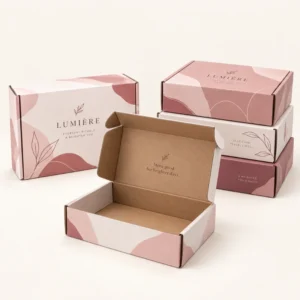
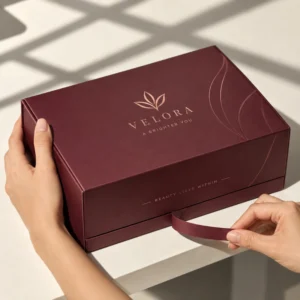
Mailing boxes are sturdy cardboard boxes made for sending products, documents and gifts through the post, with a size and strength matched to the contents. They range from flat, letterbox friendly boxes for slim items to deeper parcel boxes for bulkier goods, and they can be supplied plain for practical posting or printed for brand presentation. Used well, mailing boxes keep parcels tidy, protected and easy to label, giving homes and businesses that post regularly a simple way to reduce damage, reduce wasted space and make every parcel look cared for.
How mailing boxes differ from ordinary cartons
An ordinary carton is often designed mainly for storage or for transport in bulk, while a mailing box is designed for the individual journey of one parcel. That journey includes handling at a depot, sorting, loading into a van and delivery to a door, often with other parcels stacked around it. A good mailing box therefore has a secure closure, corners that resist crushing, and a surface that accepts a label clearly. Some mailing boxes fold from a single piece of board, which gives a neat finish and a fast assembly, while others use a separate lid for products that need to be packed and checked more easily.
The choice of board also sets a mailing box apart. Single wall board suits light to medium items, while double wall board suits heavier or more fragile goods that need extra rigidity. A fine flute gives a smoother surface for print and a tidier appearance, while a coarser flute gives more cushioning for items that need protection from knocks. Matching board to contents, rather than using the strongest board for everything, keeps parcels light, easy to handle and economical to store.
Plain mailing boxes for practical posting
Plain boxes are ideal when the parcel itself does not need to carry branding, for example for internal transfers, returns, samples sent to a known contact, or products sold through a marketplace where the outer box is not part of the shop experience. A plain kraft box looks tidy, it can be labelled clearly, and it can be recycled easily after use. For many small businesses, a plain range in a few sizes covers most posting needs without the planning time of a printed run.
When plain is the smarter choice
Plain is smarter when quantities are small, when artwork is still changing, or when the contents vary so much that a printed box would be wasted on some orders. It is also useful as a backup size for unusual items that do not fit the regular printed range. Keeping a small stock of plain boxes alongside printed boxes gives packing staff flexibility without breaking brand consistency on the main orders.
Printed mailing boxes for brand presentation
Printed mailing boxes carry a logo, colour or message on the outside, and sometimes on the inside as well. For a shop, this turns a functional parcel into a recognisable arrival, and it can help customers remember the brand long after the product is unpacked. Print does not need to be elaborate to be effective. A clear logo, a consistent colour and a tidy label area will often present better than a busy design that competes with delivery information.
Printed boxes also help with practical identification in a busy packing room. Staff can spot the right box at a glance, and customers can spot their parcel among others at a collection point or on a doorstep. If you post through different channels, a consistent printed box can tie those channels together, so a customer who buys in store and a customer who buys online receive a similarly considered experience.
Choosing a size for mailing boxes
Size selection starts with the finished packed item, including wrap and any insert. Measure length, width and height, then choose the smallest box that allows the item to sit comfortably without pressing against the flaps. A box that is too large invites movement and needs more void fill, while a box that is too tight can damage the product or burst at the closure. For flat items such as books, documents or slim apparel, a shallow box that fits through a letterbox can be especially useful, because it can be delivered without a signature or a redelivery attempt in many cases.
Measuring for a letterbox friendly box
Measure the packed item flat, check its thickness at the thickest point, and allow for the board itself. If the item bulges in the middle, the finished parcel may be thicker than the empty box suggests, so test with a real packed sample. Keep the label area flat and clear, and avoid tape or closures that add bulk at the point where thickness matters most.
Packing mailing boxes well
Good packing protects the product and the box. Place the item centrally where possible, use paper void fill to stop movement, and protect corners and edges for fragile goods. Close the lid or flaps fully, tape along the closure if the design requires it, and press the tape down firmly so it does not lift during handling. A box that is packed neatly, closed flat and labelled clearly is less likely to be opened for inspection, less likely to be damaged, and more pleasant for the recipient to open.
Labelling deserves the same care as packing. Place the address label on the largest flat panel, away from folds and closures, and make sure any old labels or markings are removed or covered. If the parcel includes a returns label or an instruction card, place it where the customer will find it easily on opening, rather than loose at the base of the box. Small details like these reduce queries and returns, and they reflect well on the sender.
Storage and handling in the packing area
Mailing boxes supplied flat should be stored dry, stacked by size, and kept away from heat sources that could warp the board. Label each stack clearly, and keep the most used sizes within easy reach of the packing bench. A tidy storage system reduces picking errors, speeds up packing, and helps you notice when a size is running low before it runs out during a busy period.
Ordering mailing boxes on a quote basis
Mailing boxes are supplied on a quote basis, because size, board, print and quantity all affect the right specification. Tell the team what you post, how often you post, and whether you need plain or printed boxes, and they can suggest a practical range. Standard lead times after final artwork approval are 10 to 14 working days, and corrugated options are 12 to 15 working days. These are production times after approval, not a guaranteed delivery date. You can request a quote for mailing boxes, read the delivery information page, consider mailing boxes custom for printed versions, or browse shop range from Personalized Mailer Boxes.
Frequently asked questions about mailing boxes
What are mailing boxes used for
They are used for posting products, documents, samples and gifts safely through the post. They come in flat and deep formats, in plain or printed board, to suit different contents and delivery needs.
How do I choose the right size mailing box
Measure the packed item including wrap, then choose the smallest box that fits it comfortably without pressure on the flaps. Test with a real sample where possible, especially for letterbox friendly formats.
Are mailing boxes recyclable
Most cardboard mailing boxes can be recycled through household paper recycling, depending on board and finish. Remove tape and labels where practical, and follow local recycling guidance for your area.
How long does production take after artwork approval
Standard lead times after final artwork approval are 10 to 14 working days, and corrugated options are 12 to 15 working days. Allow time for proofing and posting after production.