
mailer boxes with inserts
Showing all 4 results
-
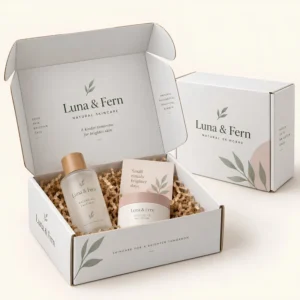
Custom Cardboard Mailer Boxes
Get a Quote -
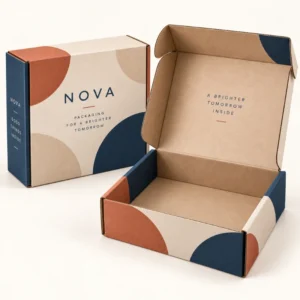
Custom Mailer Boxes UK
Get a Quote -

Custom Mailer Boxes With Inserts
Get a Quote -
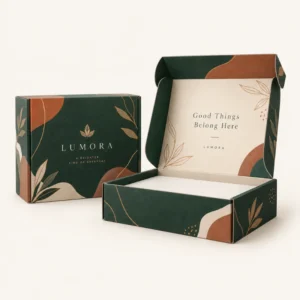
Personalized Mailer Boxes
Get a Quote
Mailer boxes with inserts are postal boxes that include a shaped fitment inside the box, so each product is held in a fixed position rather than left to move freely during delivery. The insert can be foam, card, corrugated board or moulded pulp, cut to the shape of the product or divided into compartments for a set of items. For fragile goods, multi item sets and subscription kits, mailer boxes with inserts reduce damage, improve presentation and make packing more consistent, because every packer places each item in the same place.
Why mailer boxes with inserts protect products better
Most transit damage is caused by movement, not by a single impact alone. A product that slides, rolls or knocks against another item can chip, scratch or break, even inside a strong outer box. An insert stops that movement by cradling the product or by separating items that would otherwise touch. That is especially important for glass, ceramics, bottles and electronics, where a small movement can cause a crack or a scuff that makes the product unsaleable, even if the outer box arrives intact.
Inserts also improve the opening experience. When a lid lifts to reveal products arranged in neat compartments, the parcel looks intentional and easy to unpack. Customers can see each item at a glance, lift items out in order, and keep the insert as a tray if they wish. For gift sets and kits, that organised reveal is part of the product, because it shows care in packing and it photographs well for reviews and social sharing.
Types of insert for different products
Foam inserts are cut to the exact outline of a product, so a bottle, jar or device sits in a snug pocket with support on all sides. Foam suits heavy or fragile items that need cushioning as well as positioning, and it can be layered so a product sits at a good height within the box. Card inserts are lighter and easier to recycle, and they suit products that need separation rather than deep cushioning, such as stationery sets, small cosmetics or flat items. Corrugated inserts, made from the same board family as the box, give a sturdy divider or a shaped fitment that matches the box in look and feel.
Moulded pulp, dividers and trays
Moulded pulp inserts are shaped from recycled paper fibre and suit products with a regular shape, such as bottles, jars and small electronics, where a formed tray can hold several items at once. Simple dividers, made from card or corrugated board, split a box into compartments for sets, so items do not touch each other in transit. A tray insert can lift a set of products slightly, so they sit proud of the box base and are easier to lift out. The right choice depends on product weight, fragility, shape and how the customer should unpack the set.
How to measure for mailer boxes with inserts
Measure each product at its widest and tallest points, including any lid, cap, label or protruding part, because an insert cut to the bare product can be too tight once those details are included. Then measure the products together as they will sit in the box, with the gaps the insert will create between them. That combined measurement gives the internal size the box must provide, and it is more useful than adding up individual product sizes alone. Allow a small tolerance for tissue or a leaflet placed on top, but avoid excess space that lets the insert itself move inside the box.
Test the insert with a real product before ordering at scale. Place the product in the insert, close the box, turn it gently and open it again, checking for movement, pressure marks and ease of removal. A product that is difficult to lift out can frustrate a customer and can cause damage during unpacking, while a product that lifts out too easily may move in transit. The ideal insert holds the product firmly during delivery but releases it with a simple lift, without tools or force.
Designing inserts for sets and kits
For sets, plan the unpacking order as well as the fit. Place the main product where the eye falls first when the lid opens, and place smaller items in compartments that are easy to reach without disturbing the main product. Label compartments only if the set needs explanation, such as a skincare routine or a craft kit, because unnecessary labels can clutter an otherwise clean presentation. If a leaflet or instruction card is included, place it where it will be seen, such as on top of the tissue or in a dedicated slot, rather than underneath the products.
Print, colour and material choices for inserts
Inserts can be plain or printed, in kraft, white or black board, to match or contrast with the outer box. A printed insert can carry a message, a pattern or a brand colour on its visible surface, turning the inside of the box into part of the design. Foam inserts are usually chosen for function rather than print, and they are often supplied in a neutral colour that does not distract from the product. Whatever material is chosen, check that it does not shed fibres, mark the product or react with the product surface, especially for cosmetics, food contact items where the grade is specified for that use, and polished metal.
Ordering mailer boxes with inserts with confidence
Share a complete brief when you ask for a quotation: each product, its measurements including lids and caps, the number of items per box, the fragility of each item, and how the set should be unpacked. Include photographs of the products together, because a photograph shows proportions and shapes that measurements alone can miss. That brief allows an insert to be designed around the real products, rather than around an assumed shape, and it reduces the need for revisions after a sample is made.
After final artwork approval, standard lead times are 10 to 14 working days, and corrugated lead times are 12 to 15 working days, with rigid and specialist lead times at 13 to 16 working days. Use that window to plan photography and launch dates, and remember that the lead time is a production guide rather than a guaranteed delivery date. All orders are on a quote only basis, so share size, insert material, print and quantity when you ask for a quotation.
Browse the shop for packaging options to compare mailer styles, and look at custom mailer boxes for tailored insert sizes and subscription boxes for repeat kit deliveries. For a tailored specification, use the get a quote form for custom packaging and include product measurements and insert ideas.
Frequently asked questions
What are mailer boxes with inserts?
Mailer boxes with inserts are postal boxes that include a shaped fitment inside, such as foam, card, corrugated board or moulded pulp, to hold each product in a fixed position. The insert stops movement in transit and makes unpacking more organised.
Which insert material is best for fragile items?
Foam suits heavy or fragile items that need cushioning as well as positioning, while moulded pulp suits regularly shaped bottles and jars. Card and corrugated inserts suit lighter items that mainly need separation.
Can mailer boxes with inserts hold a set of products?
Yes. Dividers and compartment trays can hold several items in one box, keeping them separate so they do not knock together. Plan the unpacking order so the main product is seen first.
How do I measure for an insert?
Measure each product at its widest and tallest points, including lids and caps, then measure the products together as they will sit in the box. Test the insert with a real product before ordering at scale.
Are inserts recyclable?
Card, corrugated and moulded pulp inserts are generally recyclable, while foam inserts depend on local recycling guidance. Customers should follow local guidance for their area and remove non paper inserts where possible.