
large letter postage box
Showing the single result
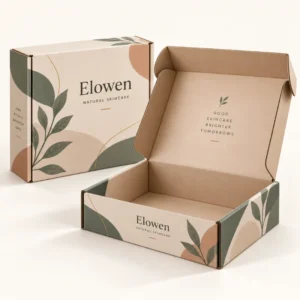
A large letter postage box is a shallow, rigid postal box made to keep flat items within the Royal Mail Large Letter size limits, so they can be posted as a large letter rather than as a parcel. The finished packed item must be no larger than 353mm by 250mm by 25mm, and no heavier than 750g for standard Large Letter posting. That strict depth limit is the key point: a box that holds its flat shape, without bulging at the centre or flaring at the edges, is what makes this format work reliably for everyday business post.
How a large letter postage box works
Royal Mail measures the finished parcel at its thickest point, not at an average depth and not only where the label sits. If contents shift and create a bulge, or if a soft mailer expands when it is filled, the parcel can move into the next size category. A large letter postage box avoids that problem by using rigid board cut to a flat profile. The box is die cut to shape, folds into a shallow carton, and holds its depth once sealed. That dimensional stability is why many sellers prefer a box to a padded envelope for flat but valuable items such as documents, certificates, photographs, thin books, magazines, small electronics accessories and flat garments.
The format is also known as a PIP box, from Pricing in Proportion, the Royal Mail system that prices mail by size and weight bands. Two common construction styles are used. One is a cross style that folds quickly around the contents, and the other is a tuck style with a lid that locks into place. Both can work well, provided the internal depth leaves enough room for the contents and a thin layer of protection, without allowing the box to bow outward. A box that closes flat, seals cleanly and stacks without rocking is a good sign that the design is right for the contents.
Size limits and common box sizes
The maximum external size for a Large Letter is 353mm long, 250mm wide and 25mm thick, with a maximum weight of 750g. In practice, the box itself must be slightly smaller than those limits, because the contents, tape and label all add a small amount of thickness and weight. Common internal sizes therefore sit just under the limit, for example around 341mm by 235mm by 20mm for a full size box, with smaller sizes for A5 documents, A6 items and compact accessories. C4, C5 and C6 style boxes follow familiar paper sizes, which makes it easier to match a box to documents and printed items without trial and error.
Measuring the finished parcel correctly
Measure the sealed parcel, not the empty box. Place it flat, measure length and width at the widest points, and measure depth at the thickest point, including any bulge from contents or tape. Weigh the sealed parcel with its label attached, because the label and tape are part of the posted item. If the parcel is close to a limit, test it with a size guide or a simple slot of the correct depth, without forcing it through. If it needs force, it is too thick and should be repacked in a deeper format or sent as a small parcel.
What to post in a large letter postage box
A large letter postage box suits items that are flat, light and not too fragile, or flat items that need rigid protection rather than cushioning. A4 documents, contracts, certificates and artwork prints benefit from a rigid box that prevents bending and creasing. Thin books, magazines, catalogues and brochures travel well in a shallow box that stops them sliding and dog earring at the corners. Slim accessories such as phone cases, screen protectors, jewellery in a flat presentation card, and small textile items such as a folded scarf or a single T shirt can also fit, provided the finished parcel stays flat and light.
Items that are not suitable include anything bulky, rounded or heavy that would force the box out of shape. A thick book, a bundle of clothing, a boxed product with depth, or an item with a hard protruding part will usually exceed the depth limit or create a bulge. For those items, a small parcel box is the correct choice, even if the postage category is higher. Trying to squeeze a bulky item into a large letter box risks damage, a surcharge, or a delayed delivery while the parcel is reclassified. Choosing the right format at the packing bench is faster and cheaper than correcting a misclassified parcel later.
Packing tips for a flat, secure parcel
Pack flat items with the largest item at the bottom, and place a thin protective sheet or tissue between items that could mark each other. Avoid folding documents to fit, because a fold creates a thick ridge that can push the parcel over the depth limit. If an item has a delicate surface, such as a print or a photograph, place it in a clear sleeve before it goes into the box, so it does not scuff against the board. Seal the box with tape along the opening, keep the label flat on the largest face, and avoid adding bulky extras such as thick promotional items that change the profile of the parcel.
Avoiding bulges and flares
Bulges usually come from overfilling, from contents that are not flat, or from packing that settles unevenly. To avoid them, choose a box depth that matches the contents, spread items evenly across the base, and do not add a thick layer of bubble wrap on top of an already full box. Flares at the edges often come from a box that is too wide for its contents, so the sides lift when the lid is closed. A snugger box, or a simple inner card to keep items in place, usually solves both problems without changing the postage format.
Printed large letter postage boxes and branding
A printed large letter postage box can carry a logo, brand colours and a short message on the outside, which helps the recipient recognise the sender and gives a professional first impression. Because the box is shallow and flat, the main face is an excellent print area, with plenty of room for a logo and handling guidance alongside the address label. Inside print can add a thank you note, care instructions, or a reminder about returns. Keep the label area clear in the artwork, so the address label does not cover important branding or guidance when it is applied.
For businesses that post flat items regularly, a printed box also reduces reliance on stickers and handwritten notes, which can peel or smudge. A consistent box style makes packing faster, because staff do not need to choose between envelopes, mailers and boxes for each order. When artwork is involved, allow time for proofs and approval before production. After final artwork approval, standard production usually takes 10 to 14 working days as a guide only, and corrugated orders usually take 12 to 15 working days as a guide only. These are production guides, not guaranteed delivery dates.
Ordering the right large letter postage box
When you request a quote, share the size and thickness of your typical flat items, the quantity you post, whether you need print, and whether items are single or multiple per parcel. Mention any items that are close to the depth limit, because those are the cases where a slightly different box depth or construction can make the difference between a large letter and a small parcel. A sample tested with your real items, weighed and measured once sealed, is the best check before a larger order. That sample test takes minutes and can prevent a large quantity of unsuitable boxes.
Checking Royal Mail guidance before posting
Postal size and weight rules can change, so check current Royal Mail guidance before you rely on a format for a new product line. Royal Mail publishes Large Letter limits in its help material, and a quick check can confirm that your packed size still qualifies. You can read Royal Mail guidance on Large Letter sizes for the current maximum dimensions and weight. Use that guidance alongside your own measurements of the sealed parcel, because the sealed parcel is what will be assessed.
To take the next step, you can shop all packaging, request a quote for a large letter box, read our delivery information, learn more on the about our company page, return to the Personalized Mailer Boxes homepage, or compare large letter postage boxes in the plural range.
Frequently asked questions
What is the maximum size for a large letter postage box?
The finished packed item must be no larger than 353mm by 250mm by 25mm, and no heavier than 750g for standard Large Letter posting. Measure and weigh the sealed parcel, because that is what will be assessed, not the empty box.
What does PIP mean?
PIP stands for Pricing in Proportion, the Royal Mail system that prices mail by size and weight bands. A PIP box is designed to fit within one of those bands, in this case the Large Letter band.
Can I post a book in a large letter postage box?
A thin book or magazine can fit if the sealed parcel stays within the size and weight limits and does not bulge. A thick book is usually better sent as a small parcel, because it will exceed the 25mm depth limit.
Why does my large letter parcel sometimes get reclassified?
Reclassification usually happens when the sealed parcel bulges, flares at the edges, or exceeds the weight limit. Repack flat, measure at the thickest point, and choose a deeper format if the item cannot stay flat.
Can I print my logo on a large letter postage box?
Yes, custom printing can add a logo and brand colours to the main face of the box. Keep the label area clear in the artwork, so the address label does not cover important print.