
influencer box
Showing the single result
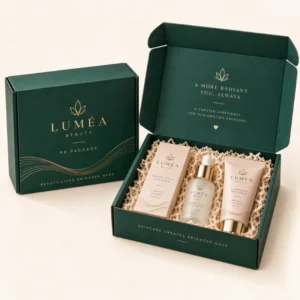
An influencer box is a branded box sent to a creator so a product launch, a new range or a seasonal collection can be opened, tried and shared on camera. It combines protective packaging with a clear brand story, so the first moment on screen feels considered rather than accidental. A good influencer box makes the product easy to find, easy to handle and easy to film, without burying it under filler.
What an influencer box does for a launch
A launch lives or dies on attention in the first few seconds. When a creator opens a parcel on camera, viewers notice the outside first, then the reveal inside, then the product itself. A plain shipping carton rarely earns that attention. A printed influencer box gives the brand control over colour, message and order of reveal, so the product arrives in context and the creator can tell the story without stopping to explain loose items or damaged packaging.
Brands use this kind of box for product seeding, press sends, ambassador welcome packs and limited edition drops. In each case the goal is the same. The recipient should understand what the product is, why it matters and what to do next, all from the box and the short note inside it. That clarity helps creators who receive many parcels each week. It also helps smaller brands, because a tidy, confident presentation can stand beside much larger campaigns.
A first impression that works on camera
Camera work rewards contrast, clean lines and a clear focal point. A strong exterior print, a simple logo placement and a calm interior layout photograph more reliably than a busy design with many competing messages. Leave space around the product so it is not crowded by tissue, cards and samples. If a second item is included, give it a clear place of its own rather than letting it sit on top of the hero product.
Think about the opening sequence as a viewer will see it. The lid lifts, the tissue or insert is visible, the product is revealed, and the creator can lift it out without tearing the box or disturbing other items. Test that sequence before a full send. Open a sample box on a phone camera in normal room light and watch the footage back. If the product is hard to see, if print looks muddy or if an insert moves, adjust the layout before ordering the full run.
Colour, print and finish choices
Colour choice should match the brand and stay readable on screen. Deep colours can look premium, while pale colours can make a bright product stand out. Full colour print allows photography, illustration and detailed artwork on the outside and inside of the box. A matt finish reduces glare under studio lights, while a gloss finish can add impact to bold artwork. Foil can draw the eye to a logo or a launch name, but it works best when used sparingly.
What usually goes inside
Most successful sends start with one hero product. That product should be the first thing the creator sees and the easiest item to lift out. Around it, brands often add a short personal note, a simple product card with key facts, and one supporting item that helps the creator use or style the product. A note addressed by name feels personal. A card with care instructions, shade names, ingredients or usage steps saves the creator from guessing and reduces errors in the content that follows.
Extras should earn their place. A sample, a small branded item or a useful tool can add value when it relates directly to the hero product. Too many extras create clutter and can make a thoughtful send look wasteful. Creators and their audiences increasingly notice excess packaging, so every layer should protect something, explain something or improve the experience. If an item does neither, leave it out.
Keeping the contents secure in transit
A beautiful box that arrives crushed or with loose contents loses its impact. An insert that holds each item in place stops movement during handling and keeps the reveal tidy when the lid opens. Tissue paper can soften the look and add a layer of protection, while a fitted divider can separate fragile items from heavier ones. For glass, ceramics or liquids, choose a board strength and internal layout that suit the weight and shape, and test a packed box through a typical postal journey before the campaign ships.
Choosing the right size and board
Size is a practical decision before it is a creative one. Measure the hero product, including any retail carton or bottle cap, and allow room for an insert and a thin protective layer. A box that is too large makes the product look lost and allows movement in transit. A box that is too tight makes packing slow and can damage print or corners when the lid closes. A paper template cut to the internal base size is a simple way to check fit before artwork is finalised.
Corrugated board is a strong choice for mailer style boxes that travel through the postal system. It resists crushing, prints well and can be recycled through normal paper recycling in the UK. Rigid board gives a firmer, more gift like feel and suits premium launches, keepsake sends and products that benefit from a lift off lid or a magnetic close. The right choice depends on the product weight, the journey it will take and the impression the brand wants to leave after filming ends.
Mailer style and rigid style options
A mailer style box usually has a tuck in or self sealing lid, a flat profile for posting and print on the outside and inside. It suits beauty, skincare, food, stationery and apparel sends where the box itself is part of the brand story but does not need to become a keepsake. A rigid style box has thicker walls, a cleaner edge and a more substantial feel in the hand. It suits fragrance, jewellery, watches, premium candles and limited editions where the box may stay on a shelf or a desk after the product is removed.
Both styles can carry full colour print, a logo, a campaign message and a short call to action. The difference is in weight, storage and cost of production, so the choice should follow the campaign budget in the sense of value, not just the look. A mailer that protects well and photographs cleanly often outperforms a heavier box that adds little to the story. Discuss the product, the send list size and the filming style with the supplier before choosing a structure.
Inserts, tissue and protective layers
Inserts can be made from board, pulp or foam style materials, depending on the product and the level of protection needed. A board insert with cut outs keeps items visible and aligned, which matters on camera. Tissue paper in a brand colour adds a soft reveal and can hide a protective layer without looking untidy. For heavier items, a deeper insert or an extra board layer under the product prevents sagging. Keep the number of layers low so the creator can reach the product quickly.
Ordering and artwork tips for a campaign send
Start with the send date and work backwards. Artwork approval, proofing, production and packing all take time, and a launch date rarely moves. Standard boxes are typically produced in 10 to 14 working days after final artwork approval, corrugated boxes in 12 to 15 working days and rigid or specialist boxes in 13 to 16 working days. These are typical production times, not a promised delivery date, so allow extra time for artwork changes, sample checks and packing a large list.
Supply artwork at the correct size for the chosen box, with bleed where the printer requests it, and check spelling, social handles and any web address before approval. A single error on a printed box is costly to correct after production. If the campaign includes different creator tiers, consider one strong box design with a personalised card for each recipient, rather than many different box prints. That approach keeps the brand consistent on screen while still feeling personal to each creator.
For advice on sizes and structures, browse the shop all packaging range. For a tailored specification and a quote for your campaign, use the get a quote page. You can also explore related ideas in influencer boxes and influencer packaging, and read practical send guidance on the delivery information page.
Proofing before a campaign send
A physical sample is worth the time it takes to check. Pack it exactly as the creator will receive it, seal it, open it again and film the opening. Check that print colours look right in daylight and under indoor light, that text is legible at the size used on screen, and that the box closes cleanly after packing. Check also that any insert stays in place when the box is turned on its side, as parcels rarely travel flat.
Share the sample with the wider campaign team before approving the full run. Marketing, product and social colleagues may spot a missing fact, an unclear instruction or a claim that needs softening. Correcting those points at sample stage is simple. Correcting them after hundreds of boxes are printed is not. Keep a packed sample as the reference for the packing team, so every creator receives the same layout.
Frequently Asked Questions
What is an influencer box?
An influencer box is a branded box sent to a creator containing a product to try and share. It is designed to protect the product in transit and to create a clear, attractive opening moment on camera.
What should I put in an influencer box?
Start with one hero product, add a personal note and a short product card, and include only supporting items that help the creator use or understand the product. Keep the layout clean so the hero product is easy to find and film.
How long does production usually take?
Standard boxes are typically produced in 10 to 14 working days after final artwork approval, corrugated boxes in 12 to 15 working days and rigid or specialist boxes in 13 to 16 working days. These are typical production times, not a promised delivery date.
Is a mailer box or a rigid box better for creators?
A mailer box suits most postal sends and photographs well, while a rigid box suits premium launches and keepsake sends. Choose based on product weight, fragility, journey and the impression you want after filming.
Can I get a quote for a custom influencer box?
Yes. Share the product size, the box style you prefer, the quantity and your artwork, and request a quote for a specification matched to your campaign.