
flower postage boxes
Showing the single result
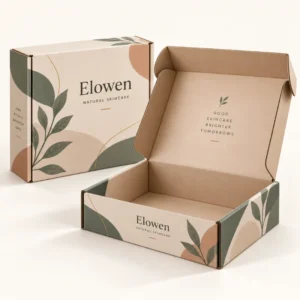
flower postage boxes are specially shaped postal boxes for sending flowers by post, including letterbox bouquets, single stems, small posies, and flower gifts that need to arrive fresh, upright, and presentable. They protect delicate petals and stems during sorting and delivery, allow air to move around the flowers where the design provides for it, and present the bouquet as a gift on opening rather than as a loose bundle in a transit box. For florists, flower subscription brands, and gift sellers, the right flower box turns a postal delivery into an experience the recipient enjoys.
What flower postage boxes are designed to do
Fresh flowers are fragile, time sensitive in the sense that they fade without water and care, and easily marked by pressure. A flower postage box therefore has three jobs at once: protection, freshness, and presentation. Protection comes from a rigid board shell, internal support that stops stems sliding, and padding that cushions heads without crushing them. Freshness comes from a design that does not trap excessive heat, from stems wrapped to retain moisture, and from a delivery route that is as quick as the service allows. Presentation comes from print, tissue, ribbon where used, and an opening sequence that reveals the bouquet in good order.
Letterbox flower boxes are a distinct type. They are slim enough to fit through a standard letterbox where the packed size allows, so the recipient does not need to be at home. That convenience is a major selling point for subscription flowers and for gifts sent to someone at work or away from home during the day. The bouquet inside is usually arranged flat, with stems bound together and heads protected, so it can be lifted out, trimmed, and placed in water quickly. A clear care card inside helps the recipient act promptly, which improves vase life.
Larger flower boxes suit full bouquets, hand tied bunches, and arrangements with a water source. Those boxes are deeper, may include a water reservoir or a wrapped wet stem bundle, and need internal support to keep the bouquet upright. They are often delivered by a courier or a tracked parcel service rather than through a letterbox, because size and weight exceed letterbox limits. The box should still open cleanly, with the bouquet easy to lift out without pulling stems through a tight opening.
Flower types and box styles to match them
Hardy flowers, such as chrysanthemums, carnations, and many seasonal foliage stems, travel well in a letterbox box with modest padding. Delicate flowers, such as peonies in season, ranunculus, sweet peas, and lilies with care, need more internal protection, a snug fit that stops movement, and a box that does not press on open petals. Roses benefit from guard petals left in place for transit and from a box that keeps heads apart, so thorns and stems do not mark neighbouring blooms.
Dried and preserved flowers need a different approach. They are lighter and less time sensitive, but they are brittle and can shed or snap if crushed. A flower box for dried stems should hold the bunch firmly, protect heads with tissue, and avoid moisture. Fresh flower boxes, by contrast, should support wet stem wraps without letting the board become soggy. A waterproof inner wrap or a sealed stem bundle helps, and the box board should be checked after a test delivery for damp marks.
When to choose a letterbox box or a larger parcel box
Choose a letterbox box when the bouquet is slim, the stems can lie flat, and the recipient benefit of delivery without signing matters most. Choose a larger parcel box when the bouquet is full, tall, or includes a vase, a water source, or several bunches that need to stay upright. If in doubt, pack a test bouquet in both styles, post them, and compare the flowers on arrival. The better box is the one that delivers fresher flowers with less handling damage, not simply the smaller box.
Materials, ventilation and print for flower postage boxes
Board for flower boxes is usually corrugated or strong card, chosen for rigidity and for resistance to damp from stem wraps. Kraft board gives a natural, garden like look that suits many florists, while white board gives a clean surface for bright floral print and for a premium gift feel. A printed floral pattern on the outside can signal the contents beautifully, but it should not replace a clear address label area or handling notes. Keep the label area flat and clear at artwork stage.
Ventilation is often provided by small cut outs or perforations in the box sides, which allow air to move and reduce heat build up. Ventilation helps freshness, but it must be balanced against protection and against the risk of a stem or petal catching in an opening. Test ventilation with the real bouquet, sealed and stored for a realistic transit time, and check for drying, condensation, and marking. A box that breathes too freely in a cold van may dry flowers, while a fully sealed box in warmth may trap heat, so the design should suit the season and the route.
Inside the box, tissue, shredded paper, and board inserts all play a part. Tissue protects petals and gives a gift like opening, while a board insert or a stem holder keeps the bunch in place. A ribbon or a paper band can hold the bouquet together, but it should be easy to remove without pulling stems. A care card, with trimming and water advice in plain language, is one of the most useful inserts, because many recipients are unsure how to care for posted flowers on arrival.
Packing flowers for posting step by step in plain terms
Condition the flowers first, by trimming stems at an angle, removing leaves that would sit in water, and hydrating the bouquet before packing. Wrap stem ends in damp paper or a water retaining wrap, then seal that wrap so moisture does not soak the box. Bind the bunch firmly but not tightly, place it in the box with heads protected by tissue, and fill gaps just enough to stop movement. Close the box cleanly, label it clearly, and dispatch promptly so transit time is as short as possible.
For letterbox bouquets, arrange stems flat and in a single layer where possible, with heads in one direction and stems bound together. That arrangement unpacks easily and looks intentional on opening. For larger bouquets, keep the bouquet upright if the box allows, support the base, and protect the heads from the lid. In both cases, avoid overfilling, because pressure on petals causes bruising that shows quickly after delivery.
Care advice to include for the recipient
Include short advice to trim stems, place flowers in clean water with flower food where supplied, remove leaves below the waterline, and keep the bouquet away from direct heat and ripening fruit. Advise the recipient to check water daily and to retrim stems after a few days if vase life is to be extended. Clear advice, written in friendly language, helps the recipient enjoy the flowers for longer and reduces queries to the florist.
Ordering flower postage boxes for a florist or gift brand
Start with the bouquets you send most often. Note stem length, bunch diameter, head size, and whether the bouquet is sent flat or upright. Measure a packed example, including stem wrap and tissue, and choose a box that fits that example without crushing heads or forcing the lid. A small range, such as one letterbox size and one larger bouquet size, covers most florists, and it is easier to store and pack from than a long list of sizes.
After final artwork approval, standard production is 10 to 14 working days. Build that window into seasonal peaks, such as Mother’s Day, Valentine’s Day, and Christmas, when flower volumes rise sharply and box stock runs out quickly. Order a buffer before a peak, and test a packed sample with real flowers through the intended delivery route before a seasonal launch. A sample that arrives fresh and presentable is the best proof of the box design.
When you are ready to discuss sizes, board, and print, you can request a quote for flower postage boxes, browse the full shop range, and read about Personalized Mailer Boxes. For related gift posting, see extra large gable boxes for gifts and food and flat postage boxes for slim parcels. For current parcel size guidance, see Royal Mail tracked service sizes.
Seasonal planning for flower boxes
Flower seasons change the product inside the box, so the box range should be reviewed each season. Spring bouquets may be tall and delicate, summer bouquets may be fuller, autumn bouquets may include heavier foliage, and festive bouquets may include extras such as pine, berries with care, or a gift item. Check that the current box sizes still fit the seasonal bunch, and adjust inserts or tissue rather than forcing a new bunch into an old box.
Storage for flower boxes in a florist workshop
Store flat packs dry, clean, and away from water, soil, and strong floral scents that could transfer to board. Keep letterbox and larger sizes separated and labelled, and assemble only what the day requires so boxes stay crisp. Check a sample from each delivery for print quality, cutting, and board strength before it is used for customer orders.
Frequently asked questions
What are flower postage boxes?
They are postal boxes shaped for sending flowers, including slim letterbox boxes for flat bouquets and larger boxes for full bouquets and arrangements. They protect petals and stems, support the bunch during delivery, and present the flowers as a gift on opening.
Can flowers sent by post arrive fresh?
Yes, when the bouquet is conditioned before packing, stem ends are kept moist in a sealed wrap, the box fits snugly without crushing heads, and dispatch is prompt. The recipient should trim stems and place flowers in clean water as soon as possible after delivery.
Do flower postage boxes fit through a letterbox?
Letterbox flower boxes are designed to fit through a standard letterbox where the packed size allows, but larger bouquets need a parcel box and a delivery service that does not rely on letterbox delivery. Measure the sealed packed box and compare it with the service size guide.
Should flower boxes have ventilation holes?
Small ventilation openings can help air move and reduce heat build up, but they must be balanced against protection and drying. Test a packed bouquet through a realistic transit time, and check for drying, condensation, and marking before choosing a ventilated design.
How long does production take after artwork approval?
After final artwork approval, standard production is 10 to 14 working days. Order a buffer before seasonal peaks, and confirm timing at the quote stage for any order tied to a fixed occasion.