
ecommerce subscription boxes
Showing the single result
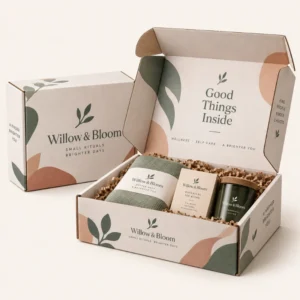
ecommerce subscription boxes are boxes designed for repeat deliveries, where the same brand sends a curated set of products to customers on a regular cycle, often monthly or quarterly. They must protect varied contents, present them in an appealing order on opening, and stay consistent from one delivery to the next so customers recognise each box instantly. A successful subscription box turns a routine delivery into a small event that customers look forward to and share.
What ecommerce subscription boxes need to do
Subscription boxes face a different challenge from single online orders, because contents change while the box itself stays familiar. One month may include a tall bottle, the next a set of small jars, and the following a flat accessory pack. The box and insert system must therefore handle variation without looking improvised. A flexible insert, a divider system or a well planned set of compartments can accommodate changing contents while keeping presentation tidy.
Consistency builds trust in a subscription. Customers expect the same box size, the same opening experience and the same print quality each time, even when the products inside vary. That consistency also helps the packing team, because a familiar box size and insert layout speeds packing and reduces errors. It helps storage too, because one main box size plus a small set of inserts is easier to manage than a new box for every delivery.
Formats for subscription deliveries
Hinged lid mailer boxes are popular for subscriptions because they open like a gift box and present contents in a single view. Deeper boxes suit larger kits, multi item collections and products that need upright packing. Slim letterbox style boxes suit small, flat subscriptions and can be delivered without a signature in many cases, which suits customers who are out during the day. Choose the format by the typical contents, the delivery method and the unboxing experience the brand wants.
Inserts that adapt to changing contents
Adaptable inserts are the key to a subscription box that changes contents regularly. Card dividers can be moved or removed, trays can hold different combinations of small items, and paper wrap can cushion varied shapes without a new tool for each delivery. Design inserts that are easy to assemble at the bench, easy for the customer to remove, and easy to recycle with the box after delivery. Avoid inserts that are so specific to one delivery that they become waste for the next.
Designing the unboxing experience for ecommerce subscription boxes
The unboxing experience is central to subscriptions, because customers often film, photograph or describe it to others. A clear reveal, with products arranged in order and a message card visible on opening, makes the box feel curated rather than simply packed. Tissue, a paper sleeve or a simple card divider can add layers to the reveal without adding bulk. Keep the reveal simple enough that a customer can unpack without tools and without tearing the box.
Print should reinforce the subscription identity. Outside print builds recognition before the box is opened, while inside print can carry a welcome message, a theme note for that delivery, or a guide to the products inside. Changeable elements, such as a printed card or sleeve for each delivery theme, let the brand refresh the experience without redesigning the main box. That balance keeps costs manageable while keeping each delivery feeling new.
Message cards, guides and personal touches
A short message card can explain the theme, introduce new products or thank the customer for continuing the subscription. A simple product guide helps customers use unfamiliar items and reduces queries after delivery. Personal touches, such as a handwritten style note or a customer’s name on a card, can strengthen loyalty, provided they do not slow packing excessively. Keep extra items flat, light and easy to find on opening, so they do not get lost under products.
Keeping presentation consistent at volume
As subscriber numbers grow, packing consistency becomes harder to maintain without clear standards. Photograph the agreed pack for each delivery, list the insert layout in order, and train the packing team to that standard. Check a sample from each packing run for print quality, insert position and product order. Consistency at volume is what turns a good first box into a subscription customers stay with.
Sizing, protection and delivery for ecommerce subscription boxes
Size subscription boxes around the largest typical delivery, with inserts that adapt down for smaller deliveries, rather than ordering a different box for every variation. That approach keeps storage simple and helps customers recognise the box. Measure the assembled contents for a typical large delivery, including inserts and any message card, and test the pack with real products before finalising the size.
Protection must suit the most fragile item in a typical delivery, because a single damaged item can spoil the whole box experience. Dividers stop items rubbing, shaped inserts centre fragile products, and paper cushioning protects corners and edges. Check the finished parcel against delivery limits, using the Royal Mail size and weight guide for UK parcel limits where relevant, and courier limits for larger subscription kits. A box that fits a letterbox or a small parcel band can improve delivery success for customers who are out.
Returns, pauses and skipped deliveries
Subscriptions sometimes involve returns, exchanges or paused deliveries, so packaging should handle those cases gracefully. A resealable feature lets a customer return an item in the same box, while a clear returns note inside the lid explains the process without needing a separate leaflet. For gift subscriptions, a box that can be resealed and stored neatly also helps the recipient keep products tidy after opening.
Sustainability for repeat deliveries
Repeat deliveries multiply packaging impact, so sustainability matters more for subscriptions than for single orders. Paper based boxes and inserts, minimal plastic, right sized parcels and easy recycling all help. Customers receive the box regularly, so they notice waste quickly and judge the brand on it. A short recycling note inside the lid, repeated consistently, guides customers without adding material to every delivery.
Ordering ecommerce subscription boxes
A subscription brief should cover delivery frequency, typical contents and variation, box size, insert flexibility, print surfaces, message card needs and expected subscriber volume. Note seasonal variations, such as larger festive deliveries or themed boxes, because those may need a companion size or a special sleeve. After final artwork approval, standard orders typically take 10 to 14 working days, corrugated orders 12 to 15 working days, and rigid or specialist orders 13 to 16 working days. These times describe production after approval and are not a guaranteed delivery date.
Related formats can be compared through ecommerce product packaging and ecommerce postal boxes, while the shop shows current ranges and about us gives background on the business. Use get a quote to discuss box size, inserts, print and volume for a specific subscription.
Planning for growth and seasonal peaks
Plan box quantities around subscriber growth and seasonal peaks, holding a buffer of the main box size for busy periods. Design inserts that can be updated for new products without reordering the main box, so the subscription can evolve without waste. Review subscriber feedback on packaging regularly, because comments on opening, damage or waste often point to small improvements that increase retention.
Testing a subscription box before launch
Before launch, pack three different typical deliveries in the same box: a large delivery, a small delivery and a fragile delivery. Seal, label, stack and open each one as a customer would, and inspect for movement, damage and presentation. Check that message cards are visible, inserts are easy to remove, and the box still looks good after handling. Launch only when all three test packs pass.
Frequently asked questions about ecommerce subscription boxes
What size should a subscription box be?
Size it around the largest typical delivery, with adaptable inserts for smaller deliveries. Test packed samples for large, small and fragile deliveries before finalising the size, and check the finished parcel against delivery limits.
How do subscription boxes handle changing contents?
Use flexible inserts, dividers or trays that can be rearranged for different products, plus a changeable message card or sleeve for each delivery theme. That keeps the main box consistent while contents vary.
Can subscription boxes be printed inside and outside?
Yes, outside print builds recognition on arrival and inside print suits welcome messages, theme notes and product guides seen on opening. Keep the label area flat and clear of essential print.
Are subscription boxes recyclable?
Paper based subscription boxes and inserts are widely recyclable when clean and dry. Use paper based materials where possible, avoid mixed material coatings unless needed, and include a short recycling note inside the lid.
How long does production take after artwork approval?
After final artwork approval, standard orders typically take 10 to 14 working days, corrugated orders 12 to 15 working days, and rigid or specialist orders 13 to 16 working days.