
custom size mailer boxes
Showing all 4 results
-

Custom Cardboard Mailer Boxes
Get a Quote -
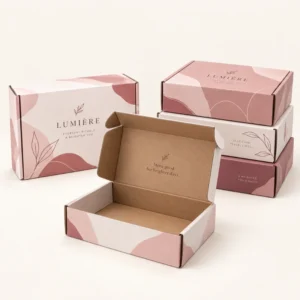
Custom Corrugated Mailer Boxes
Get a Quote -
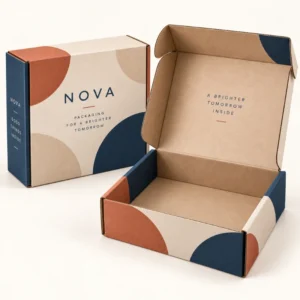
Custom Mailer Boxes UK
Get a Quote -
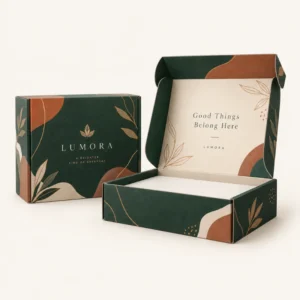
Personalized Mailer Boxes
Get a Quote
custom size mailer boxes are folding boxes made to the exact internal size of the product they will carry, with a lid that folds over and locks without a separate lid or loose parts. They are made for the moment a customer opens a parcel, so they combine postal protection with a neat, branded presentation that a plain shipping carton cannot offer. When the size is right, the product sits still, the lid closes flat, and the opening feels like part of the purchase rather than just a delivery.
What are custom size mailer boxes
A mailer box is usually made from corrugated board that folds flat for storage and assembles quickly at the packing bench. The front panel tucks in or locks into the base, which gives a clean edge and avoids the need for tape across the opening in many designs. Because the box is both the shipping container and the presentation box, print and structure must be planned together. A design that looks good flat but breaks across a fold, or a lid that will not stay closed once filled, will undermine the whole effect.
Mailer boxes suit single products, gift sets and subscription parcels where the customer will see the box before they see the product. They are widely used for candles, skincare, stationery, apparel, food gifts and small electronics, although the board grade and insert must match the weight and fragility of each product. A light mailer that is perfect for a folded garment may be too light for a heavy ceramic set, so size alone is not enough without the right board.
The folding lid and closure
The lid is the defining feature of a mailer. It should fold cleanly along its score lines, sit flat when closed, and stay closed through handling without tape if that is the intended design. Some mailers use a tuck flap, others use a locking tab, and some use a tear strip for a first opening that also shows whether the parcel has been opened. Test the closure with the real product inside, because a lid that closes perfectly when empty may lift when the product is slightly taller than expected or when tissue adds height.
Assembly and packing speed
Mailer boxes are popular with busy packing teams because they assemble in a few folds and do not need a separate lid to be matched to a base. That speed matters for subscription runs, where hundreds of identical parcels must be packed consistently. A box that is easy to assemble also reduces packing errors, such as a lid folded the wrong way or a flap left loose, which can lead to damage or a poor first impression. Keep a folded sample at the packing bench as a reference for new staff.
Print inside and outside
Outside print carries the brand on arrival, with a logo, colour and message that a customer recognises. Inside print carries the experience on opening, with a pattern, illustration, thank you message or simple instruction that is revealed when the lid lifts. Inside print works best when it is kept clear of the area covered by the product, so that the message is seen immediately. It also works best in a limited palette or a simple repeat pattern, because a busy inside print can compete with the product itself.
Choosing artwork for a mailer
Artwork should be designed for the finished folded box, not just for a flat sheet. Check how a pattern continues across folds, how a logo sits on the lid, and where a shipping label will be placed. A label placed over a key logo will hide the branding, so leave a clear label area on the outside. For inside print, check legibility at arm’s length, because a customer will read the message while holding the open box, not while studying a proof on screen.
Sizing a mailer to the product
Sizing a mailer starts with the product as packed, including any tissue, insert or protective wrap. The internal length and width should allow the product to sit without force, while the depth should allow the lid to close without pressing on the product. For a set, the arrangement matters: items placed side by side need width, items stacked need depth, and items with different heights need a divider or an insert that levels the top surface.
A mailer that is too large will let the product slide and will make the unboxing feel empty. A mailer that is too small will crush tissue, bend a card insert or prevent the lid from locking. The best test is to pack the real product, close the lid, turn the box gently and check for movement and for pressure marks. That test reveals sizing problems that a measurement alone can miss, especially for soft products such as clothing that compress, and for rigid products such as jars that do not.
Inserts for mailers
Card inserts, dividers and foam pads keep products in position and add a sense of order to the opening. A card insert with cutouts for bottles or jars prevents them from knocking together. A divider separates items in a set so that each one is visible when the lid lifts. A simple tissue wrap can soften the opening and protect a printed surface. Inserts should be planned with the mailer size, because an insert that is added later may reduce the available depth and prevent the lid from closing.
Mailers for subscriptions and repeat orders
Subscription mailers benefit from consistency. The same size, board and print across months makes packing predictable and makes the parcel recognisable to returning customers. If the subscription contents change in size, it may be better to design a mailer for the largest regular set and use an insert to hold smaller sets, rather than changing the box size every month. That approach keeps the brand presentation steady and simplifies stock control for the packing team.
Ordering custom size mailer boxes
Share the internal size you need, the product and its weight, the quantity, the board preference, and whether you need print inside, outside or both. Note whether the mailer will travel alone or inside an outer shipper, because that affects the board grade needed. If you post through Royal Mail, check the finished parcel against the Royal Mail size and weight guide before finalising the size, because the finished parcel size and weight decide the postal format.
Standard lead times after final artwork approval are 10 to 14 working days, corrugated 12 to 15 working days, and rigid or specialist 13 to 16 working days. These are production lead times, not a guaranteed delivery date. Allow time for proofing and for a test pack, especially for a first subscription run where consistency across the whole batch matters.
You can request a tailored quote, browse the full shop range, and read delivery information for planning. For related sizing, see custom size boxes for shipping and custom size mailing boxes, and visit the Personalized Mailer Boxes home page for an overview.
Common mailer sizing mistakes
One common mistake is measuring the product without its wrap or tissue, then finding that the lid will not close once the product is packed as intended. Another is choosing a depth that works for a single item but not for a set, so the lid bulges on multi item orders. A third is placing a shipping label over the main logo or over a tear strip, which spoils the opening. All three are easy to avoid with a test pack and a clear label area marked on the proof.
When to add an outer shipper
An outer shipper is worth considering for premium mailers, for heavy sets, or for parcels that will travel a long distance or be stacked heavily. The outer shipper takes the scuffs and stacking load, while the mailer inside stays clean for the unboxing. This adds a second box and extra packing time, so it suits high value or gift orders more than everyday low value parcels, where a single strong mailer is usually enough.
Frequently asked questions about custom size mailer boxes
What is the difference between a mailer box and a shipping carton?
A mailer box has a folding lid and is designed to be both the shipping container and the presentation box. A shipping carton usually has taped flaps and is designed mainly for transit, with less emphasis on the opening experience.
Can I print on the inside of a mailer box?
Yes, inside print is a popular choice for mailers. Keep the message short and clear of the area covered by the product, and check how it looks when the lid is open and the product is in place.
Do mailer boxes need tape to stay closed?
Many mailer designs lock without tape, although tape can be added for extra security on heavier parcels. Test the closure with the real product inside to confirm whether tape is needed for your order profile.
How long does production take after artwork approval?
Standard production is 10 to 14 working days after final artwork approval, corrugated is 12 to 15 working days, and rigid or specialist is 13 to 16 working days. These are production lead times, not a guaranteed delivery date.
What size should I order for a subscription box?
Order for the largest regular set, with an insert to hold smaller sets in place. That keeps the presentation consistent month to month and simplifies packing and stock control.