
custom mailing boxes
Showing the single result
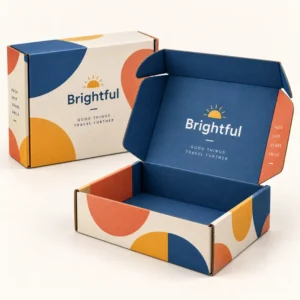
Postal boxes made to your sizes, board, print and quantity are custom mailing boxes, so every order leaves in packaging that fits the product and the brand. They suit online shops, subscription services, makers and small businesses that post regularly and want a consistent result. With the right specification, they protect goods in transit, speed up packing and give customers a parcel they recognise at once.
Why custom mailing boxes help regular senders
Regular senders gain most from consistency. When every box is the same size and closes the same way, packing staff work faster, labels sit in the same place, and storage becomes simpler. Customers also benefit, because a familiar box builds trust and makes repeat orders feel part of an ongoing relationship rather than a one off transaction. Over time, that familiarity becomes a brand asset in itself.
Fit is the other major gain. Standard boxes often force a seller to add filler, fold extra board or accept movement inside the parcel. Custom boxes reduce that waste, because the box is made around the product and its insert. Less filler means less packing time, less storage for filler materials and a tidier unboxing for the customer. It also reduces the chance of damage caused by a product shifting during sorting and delivery.
Who uses custom mailing boxes most
Online clothing shops use them for folded garments, accessories and multi item orders. Skincare and cosmetics brands use them for sets, gift collections and refill orders. Food and drink sellers use them for gift hampers, sample sets and subscription tastings, with inserts that keep jars and bottles apart. Book and stationery sellers use flat mailers for rigid goods that must not bend. Subscription brands of every kind use them because the box itself becomes part of the monthly experience.
Matching the box to the order pattern
A shop that posts one main product needs one well tested size. A shop with varied orders may need two or three sizes that cover small, medium and large baskets. A subscription brand may need a single hero size that works every month, with inserts that change by theme. Map your last few months of orders by product size and basket size before choosing, because that pattern is a better guide than a guess about future best sellers.
Board, flute and strength
Corrugated board is the workhorse for mailing boxes. E flute gives a slim profile and a smooth print surface for light to medium goods. B flute gives more cushioning for heavier or fragile goods. C flute gives still more protection for bulky goods, but it makes a thicker, heavier box. Single wall board suits most postal use, while double wall board suits heavy, fragile or high value goods and longer transit routes. The right grade balances protection, parcel size and storage, because an over specified box can be bulky and wasteful.
Testing strength before a large order
Strength on paper does not always predict transit performance. Pack a sample exactly as you would a real order, seal it, label it and drop it from waist height onto a firm floor, then stack a few filled boxes to check for bowing. Open the sample and check for movement, scuffing and crushed corners. Repeat the test after a courier journey if possible, because sorting equipment and vehicle vibration reveal weaknesses that a desk test cannot.
Designing custom mailing boxes that customers enjoy opening
Unboxing is not a luxury extra for many brands, it is the moment the customer decides whether to order again, recommend the shop or post a photo. A clean outside, a clear logo and a short inside message create a sense of care without needing expensive extras. Tissue, a fitted insert and a thank you card can complete the experience, but they work best when the box itself already fits and closes well. Avoid overfilling the box with loose extras that make the first opening feel messy.
Print placement should follow the opening sequence. The outside lid is seen first, so it should carry the main brand mark. The inside lid is seen second, so it suits a welcome message or care instructions. Side panels suit a short phrase, a social handle or a returns note, because they are visible while the box sits on a table. Keep text large enough to read in normal light, and avoid placing small print across a fold.
Print and finish choices
Full colour print suits detailed artwork, photography and seasonal designs. Single colour print suits bold logos and text based brands, and it often gives the most consistent result across repeat runs. Matte lamination gives a soft, modern finish. Gloss lamination gives richer colour and better scuff resistance. Foil, embossing and spot gloss suit premium editions and small accent areas. Choose finishes that survive handling, because a postal box will be stacked, labelled and carried before it reaches the customer.
Artwork tips for repeat orders
Keep a master artwork file with the logo, brand colours and any recurring messages, and record the exact specification with each order. That record makes repeat runs faster and more consistent, because the printer can match board, print and finish rather than starting from a new brief. If you change a logo or a message, update the master file at once, so an old version does not slip into a new run.
Ordering, storage and lead time
Flat packed mailing boxes store efficiently, but they still need dry, flat storage away from damp and heavy stacking that can crease the board. Order in line with your posting volume and your storage capacity, and keep a buffer for sales peaks. If you run several sizes, label the storage bays clearly, because similar sizes are easy to confuse during a busy packing shift. A packing checklist by size helps new staff choose the right box first time.
Standard lead time after final artwork approval is 10 to 14 working days, and corrugated orders are 12 to 15 working days. These are planning guides, not a guaranteed delivery date, so plan reorders before stock runs low. To compare options, browse custom mailing box for a single size focus, custom mailer boxes with logo for branded mailers, and shop all packaging for the full range. For a tailored run, use request a quote with sizes, quantities and artwork details.
Frequently asked questions
What is the difference between a mailing box and a shipping box?
A mailing box is usually a mailer style box that opens like a lid and suits retail style presentation, while a shipping box is usually a taped carton that prioritises stacking and warehouse handling. Many businesses use a mailer as both, provided the board grade suits the transit risk.
How do I choose a size range for varied orders?
Review recent orders by product size and basket size, then choose two or three sizes that cover most orders without excessive filler. A small, medium and large range works well for many shops, with inserts for multi item orders.
Can custom mailing boxes be recycled?
Cardboard and corrugated board are widely recyclable, but the final result depends on the board, inks, lamination and tape used. Ask about recyclable finishes if this matters to your brand, and keep disposal guidance simple for customers.
Do I need inserts for custom mailing boxes?
Inserts help when products move, knock together or need a premium presentation. Fitted card inserts suit sets and fragile goods, while tissue and dividers suit lighter multi item orders. Test the insert with the real products before ordering in volume.
How do parcel sizes affect my box choice?
Finished parcel size and weight can change the delivery category, so check the Royal Mail size and weight guide before finalising dimensions. A box that is only slightly too large can push a parcel into a higher category.