
cardboard postage box
Showing the single result
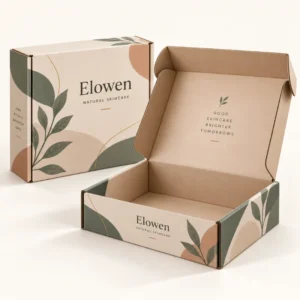
A cardboard postage box is a single corrugated box made to post one item or one small order safely, with a shape that holds its form, a surface that takes an address label cleanly, and a closure that stays shut in transit. It is the box you reach for when a padded envelope is too soft, when corners and edges need protection, or when a gift must arrive looking as neat as it did when it was packed. Choosing the right size and board for that one item is the whole skill, because a well fitted box protects better than a larger box filled with extra padding.
What a cardboard postage box needs to do
A postage box travels through sorting machines, vans and delivery rounds, so it must resist crushing, keep its corners square, and keep the label legible. Corrugated board gives that rigidity without adding much weight, which matters when the finished parcel is weighed and measured for its postal format. A flat, uncreased label area is part of the design, not an accident, because a label that peels, creases or covers a seam can delay delivery.
The closure also matters. A tuck flap closure suits shallow postal boxes for flat items, while a taped closure suits deeper boxes for heavier or multi item parcels. Whichever closure is used, it should close fully without forcing, and it should open cleanly for the recipient. A box that bursts open or that needs cutting through several layers of tape to open has not done its job well, even if the contents survive.
Fitting one item well
Start with the item plus its wrapping, not the item alone. A book in a sleeve, a candle in tissue, or a gift in a presentation box all add size, and that packed size is what the postage box must fit. Add a small allowance for cushioning if the item is fragile, but avoid a large empty space that lets the item slide. If the item is flat, a shallow box will hold it better than a deep box with layers of fill. If the item is tall, a deeper box with a divider or insert will keep it upright.
A quick test before posting
Pack the item exactly as it will travel, seal the box, and shake it gently. If you hear or feel movement, add void fill or choose a smaller box. Turn the box over and check that the base stays firm and the closure stays shut. Finally, weigh and measure the sealed parcel, because those figures, not the empty box size, decide the postal format and service.
Sizes and postal formats for a cardboard postage box
Postal formats group parcels by length, width, depth and weight, so a small change in box depth can change the format of the finished parcel. Shallow postal boxes suit documents, books, flat gifts and small electronics that must stay flat. Deeper boxes suit clothing, shoes in a presentation box, homeware and multi item orders. Knowing which format your most common parcel falls into helps you choose a box size once, rather than guessing for every order.
For current limits, check the Royal Mail size guidance before ordering in bulk, because limits and services change over time. Compare the packed parcel, including label and tape, with the format you plan to use. If a parcel sits close to a limit, a slightly smaller box or lighter void fill may keep it in the intended format, while an oversized box may push it into a larger format unnecessarily.
Board choice for a single parcel
Single wall corrugated board suits most single item parcels, including books, apparel, cosmetics and small gifts. Double wall board suits heavier items, fragile items that need extra rigidity, and parcels that may be stacked under heavier parcels. The right board is the lightest board that still protects the item well, because extra board adds weight and bulk without adding protection once the item is already secure.
Protecting fragile items in one box
Wrap fragile items individually, keep them away from the box walls, and fill gaps so nothing can move. Use a divider if two fragile items travel in one box, so they cannot strike each other. Marking a parcel fragile can help, but it does not replace good packing. The packing inside the box is what protects the item when the box is knocked, dropped or stacked.
Ordering a cardboard postage box on a quote basis
Personalized Mailer Boxes supplies printed packaging on a quote only basis, so a quote for a postage box should reflect size, board, quantity and print. When you get a quote, share the packed size and weight of your most common parcel and say whether you need plain or printed boxes. You can shop all packaging for related styles, compare cardboard postage boxes for a range of sizes, and check delivery information for planning times.
Printed postage boxes can carry a logo or a simple brand pattern, which turns a routine parcel into a branded delivery. Keep the label area clear, keep handling text legible, and avoid heavy print where the address label must sit. For a single item business, a consistent printed box also helps customers recognise repeat orders at a glance, which builds familiarity over time.
Keeping a reliable stock of postage boxes
Most single item sellers use one or two box sizes for the majority of orders, with a third size for occasional larger items. Holding those sizes in stock avoids the common problem of forcing every order into the one box that happens to be left on the shelf. Note the packed size for each product, reorder before stock runs low, and keep flat boxes stored dry and flat so they assemble crisply when needed.
Lead times after artwork approval
Standard lead times after final artwork approval are 10 to 14 working days, corrugated lead times are 12 to 15 working days, and rigid or specialist lead times are 13 to 16 working days. These are guide times for planning, not a guaranteed delivery date. Allow time for proof checking, especially for a printed box, and keep a buffer stock for busy periods.
Frequently asked questions about cardboard postage box
What is a cardboard postage box used for?
It is used to post a single item or a small order safely, such as a book, gift, garment or small product. It gives rigid protection, a clean label surface and a secure closure, which a padded envelope cannot always provide.
How do I choose the right size?
Measure the item with its wrapping, add a small allowance for cushioning if needed, and choose the smallest box that fits that packed size without squeezing it. Test pack and measure the sealed parcel before ordering in bulk.
Do I need tape for a cardboard postage box?
It depends on the closure. Tuck flap boxes often close without tape, while taped boxes need strong tape along the centre seam. For heavier parcels, tape across the ends adds security, but keep the label area flat and clear.
Can a cardboard postage box be printed?
Yes, postage boxes can be printed with a logo, pattern or handling message. Keep the label area free of heavy print, keep handling text legible, and check the proof on the actual board colour.
Is a cardboard postage box recyclable?
Yes, corrugated cardboard is widely recyclable. Flatten the box after use, remove tape where local guidance asks for it, and keep the box dry and clean for recycling.