
cardboard postage boxes
Showing all 2 results

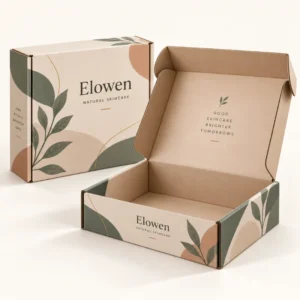
cardboard postage boxes are the corrugated boxes online sellers, small businesses and marketplace traders use every day to post orders, returns and gifts safely. They come in shallow formats for flat items, deeper formats for small parcels, and larger formats for multi item orders, and they can be supplied plain for everyday dispatch or printed for a branded delivery. The best range for a seller is usually a small set of sizes that covers most orders well, rather than a large stock of sizes that are rarely used.
What cardboard postage boxes cover
Postage boxes cover the full journey from packing bench to doorstep. They protect against handling, stacking and weather exposure during transit, they give a reliable surface for labels and barcodes, and they keep the contents together as one parcel. For a seller, that reliability matters as much as the box itself, because a damaged or delayed parcel creates customer messages, replacements and returns that cost time even when the product itself is sound.
Different orders need different boxes, and that is why sellers often hold several sizes. A shallow box suits books, magazines, flat gifts and documents that need rigid protection. A small parcel box suits clothing, cosmetics, candles and homeware. A larger box suits multi item orders, shoes and bulkier products. Matching the box to the order, rather than using one oversized box for everything, reduces void fill, reduces parcel weight and gives a tidier delivery.
Planning a size range for regular dispatch
Start by listing your most common orders and their packed sizes, then group them into two or three box sizes that fit those orders with a small allowance for wrapping. Check how often each size is used, and stock the most used size most deeply. A size range planned from real orders will be used up evenly, while a range chosen from a catalogue alone often leaves one size untouched and another constantly out of stock.
Recording packed sizes for repeat orders
Keep a simple record for each product combination, noting the box size, the void fill used, and the sealed parcel dimensions and weight. That record makes packing consistent across staff members, it makes reordering simple, and it helps when a new product is added, because you can compare its packed size with sizes you already hold. Consistency in packing also makes customer experience consistent, which is easy to overlook but valuable over time.
Postal formats and cardboard postage boxes
Postal formats are based on the finished parcel, including box, wrapping, tape and label, so box choice directly affects format. A parcel that stays flat and light may fit a large letter format, while a deeper or heavier parcel will fall into a small parcel format. Sellers who understand that relationship can choose box depth carefully, especially for flat products where a few millimetres of extra depth can change the format. That is a practical reason to test pack and measure, rather than relying on the empty box dimensions alone.
Check the current Royal Mail size guidance when planning a size range, because formats, limits and services change over time. Compare your sealed parcels with the guidance for the service you use most, and keep a margin below any limit that your parcels sit close to. A small margin protects against variation in packing, tape thickness and label placement, all of which can add a little depth to a finished parcel.
Board grades for everyday posting
Single wall corrugated board is the workhorse for most online orders, giving good protection for light to medium parcels without unnecessary weight. Double wall board suits heavier orders, fragile goods, and parcels that will be stacked under other parcels in a van or warehouse. Board grade should be chosen with the heaviest regular order in mind, not the lightest, because a box that fails on a heavy order undermines confidence in the whole range.
Packing for protection, not just for filling
Void fill should stop movement, not just fill space. Paper, corrugated pads and tissue all work well when used in the right amount. Wrap fragile items individually, keep them away from the walls, and use dividers for multi item orders so items cannot strike each other. Seal with strong tape, place the label on a flat area, and remove old labels from reused boxes so barcodes and addresses do not cause confusion.
Printed cardboard postage boxes for sellers
Printed postage boxes turn routine dispatch into brand communication. A logo, colour or pattern on the outside helps customers recognise a delivery, while a message inside the lid can thank the customer, explain returns, or invite a review. For sellers who post in volume, print also helps staff identify the right box quickly, which speeds packing and reduces errors. Print does not need to be elaborate to be effective. A clear logo and a consistent colour often work better than a busy design that is hard to read on corrugated board.
When planning print, keep the label area clear and keep handling messages legible. Check the proof on the actual board colour, because kraft and white board change how colours appear. Also consider how the box will look after transit, because a design that relies on a pristine surface may look tired after a long journey, while a bold, simple design still reads well on arrival.
Ordering postage boxes on a quote basis
Personalized Mailer Boxes supplies printed packaging on a quote only basis, so a quote should reflect the size range, board grade, quantity and print. When you get a quote, share your most common packed sizes and your expected quantities. You can shop all packaging for related styles, compare cardboard postal boxes for postal formats, and check delivery information for planning times.
Lead times after artwork approval
Standard lead times after final artwork approval are 10 to 14 working days, corrugated lead times are 12 to 15 working days, and rigid or specialist lead times are 13 to 16 working days. These are guide times for planning, not a guaranteed delivery date. For printed ranges, allow time for proof approval and keep a buffer stock, so a sales peak does not leave you without your most used size.
Frequently asked questions about cardboard postage boxes
How many sizes of postage box should I stock?
Most sellers do well with two or three sizes that cover their common orders. Start from packed order sizes, group them sensibly, and add a size only when a regular order clearly does not fit the sizes you already hold.
What is the difference between a large letter box and a small parcel box?
A large letter box is shallow and flat, made for items that stay within large letter limits for length, width, depth and weight. A small parcel box is deeper and suits bulkier items. Always check the finished sealed parcel against current postal guidance, because wrapping and labels affect the final format.
Can I get cardboard postage boxes printed?
Yes, postage boxes can be printed with a logo, pattern or message. Keep the label area clear, keep handling text legible, and check the proof on the actual board colour before approving production.
Are cardboard postage boxes recyclable?
Yes, corrugated cardboard is widely recyclable. Flatten boxes after use, remove tape where local guidance asks for it, and keep boxes dry and clean for recycling where possible.
Should I use single wall or double wall boxes?
Use single wall board for most light to medium orders, and double wall board for heavier, fragile or stacked parcels. If a parcel is regularly damaged in single wall board, move to a stronger grade or improve internal protection before changing box size.