
cardboard mailing boxes
Showing all 3 results
-
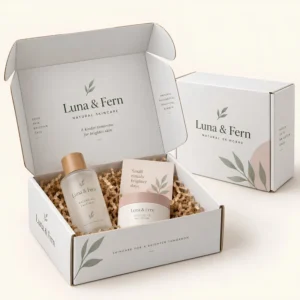
Custom Cardboard Mailer Boxes
Get a Quote -
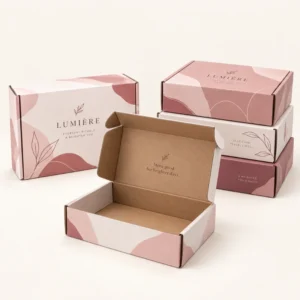
Custom Corrugated Mailer Boxes
Get a Quote -
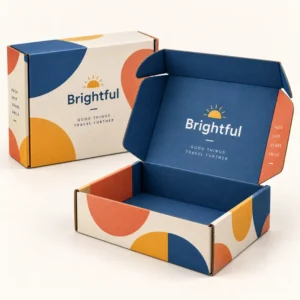
Custom Mailing Boxes
Get a Quote
cardboard mailing boxes are strong corrugated boxes made to carry goods safely through the postal and courier systems, from a single book or gift to a multi item online order. They protect against knocks and stacking pressure, they give a flat surface for address labels, and they can be supplied plain or printed. For most sellers, the right mailing box is the one that fits the contents snugly, keeps the finished parcel within the intended postal format, and arrives looking tidy.
What cardboard mailing boxes are used for
Mailing boxes cover a wide range of everyday posting jobs. Online shops use them for clothing, books, cosmetics, candles, homeware and subscription orders. Small businesses use them for samples, spare parts, documents that need rigid protection, and gifts that must arrive uncrushed. Individuals use them for returns, presents and items sold through marketplaces. The common thread is that the box must survive handling by several people and several vehicles, not just a short trip in a car.
Unlike a padded envelope, a mailing box holds its shape and protects corners and edges. That rigidity matters for books, framed prints, ceramics in protective wrapping, and any product with a printed sleeve or outer carton that must stay presentable. A box also allows better internal protection, because inserts and void fill can be placed around the product instead of relying on the outer layer alone.
Choosing a mailing box by postal format
Postal format is a practical starting point, because length, width, depth and weight together decide how a parcel is classed. A shallow box may fit a large letter format if the finished parcel stays flat and light enough, while a deeper box will usually fall into a small parcel format. Check the finished parcel, not just the empty box, because wrapping, inserts and the label add depth and weight. Measuring the packed parcel before ordering in bulk avoids surprises at the post counter.
Checking size before a bulk order
Pack your most common order exactly as it will be sent, then measure the sealed parcel and weigh it. Compare those figures with the current Royal Mail size guidance for the service you use. If the parcel sits close to a format limit, consider a slightly smaller box or lighter void fill, because a few millimetres can change the format. Keep a note of the packed size for each product combination, so repeat orders stay consistent.
Board grades and strength for cardboard mailing boxes
Single wall corrugated board suits most light to medium parcels, including books, apparel and small homeware. Double wall board suits heavier items, fragile goods that need extra rigidity, and parcels that will be stacked under other parcels. The flute, which is the wavy layer inside the board, also affects performance. A finer flute gives a smoother print surface and a neater finish, while a coarser flute gives more cushioning and crush resistance. There is no single best grade, only the grade that matches weight, fragility and stacking risk.
Board strength should also be judged with the packing method in mind. A strong box with loose contents will still allow damage, because items can move and strike the walls. A well packed box with good void fill, individual wrapping for fragile items, and a tight fit will protect far better than a stronger box packed carelessly. Think of box, wrapping and void fill as one system, not as separate purchases.
Plain, kraft and white mailing boxes
Kraft mailing boxes have a natural brown finish and a practical, honest look that suits many independent brands. White mailing boxes give a cleaner surface for labels and print, and they can look more premium for gifts and beauty products. Plain boxes suit businesses that add their own labels, tape or stickers, while printed boxes suit brands that want the parcel itself to carry their identity. The finish does not change the basic job of the box, but it does change the impression on delivery.
When print adds value to a mailing box
Print adds value when the parcel is opened by the customer, when the brand wants recognition on the doorstep, or when handling messages such as fragile or this way up need to be clear. Print adds less value when the box is an outer transit carton that will be removed before the customer sees the product inside. In that case, a plain strong box with clear labelling is usually the wiser spend.
Packing cardboard mailing boxes well
Good packing starts with the right size, then adds protection where it is needed. Wrap fragile items individually, keep them away from the box walls, and use dividers when several items travel together. Fill gaps with paper, corrugated pads or other void fill so nothing can slide, but do not overfill to the point where the box bulges or the tape strains. A box that bulges is more likely to be crushed, and a label on a bulging surface is more likely to peel or crease.
Sealing matters as much as packing. Use strong tape along the centre seam and across the ends for heavier parcels, and make sure the label sits on a flat area. Remove or cover old labels if a box is reused, because an old barcode or address can delay delivery or send a parcel to the wrong place. Reused boxes should also be checked for dents, tears and weakened corners, and retired when they no longer hold their shape.
Ordering mailing boxes on a quote basis
Personalized Mailer Boxes supplies printed packaging on a quote only basis, so the quote should reflect size, board grade, quantity and print. When you get a quote, share your most common packed sizes and weights, and say whether you need plain or printed boxes. You can shop all packaging for related styles, compare cardboard mailer boxes for presentation led orders, and check delivery information for planning times.
Lead times after artwork approval
Standard lead times after final artwork approval are 10 to 14 working days, corrugated lead times are 12 to 15 working days, and rigid or specialist lead times are 13 to 16 working days. These are guide times for planning, not a guaranteed delivery date. For printed mailing boxes, allow time for proof approval, and keep a stock buffer so a busy sales period does not leave you short of the size you use most.
Frequently asked questions about cardboard mailing boxes
What size mailing box should I choose?
Choose the smallest box that fits the product plus its protective wrapping without squeezing it. Measure the packed product, add a small allowance for void fill, and test pack before ordering in bulk. A snug box protects better and usually posts more efficiently than an oversized box.
Are cardboard mailing boxes suitable for fragile items?
Yes, when the board grade and packing are right. Use double wall board for heavier or fragile loads, wrap each fragile item separately, keep items away from the walls, and fill all gaps. For very fragile or valuable items, add extra cushioning and consider a tracked service.
Can cardboard mailing boxes be printed?
Yes, mailing boxes can be printed with a logo, brand pattern or handling message. Keep essential handling text clear and legible, and keep the label area free of heavy print that could make the address hard to read.
Are cardboard mailing boxes recyclable?
Yes, corrugated cardboard is widely recyclable. Flatten boxes after use, remove tape where local guidance asks for it, and keep boxes dry and clean for recycling. Boxes soiled with food or heavy grease may need to go in general waste, so check local guidance.
Should I use a mailing box or a padded envelope?
Use a mailing box when the contents need rigid protection, when corners and edges matter, or when several items travel together. Use a padded envelope only for soft, flat and low value items that will not be damaged by bending or pressure. When in doubt, the box is the safer choice.