
buy postage boxes
Showing the single result
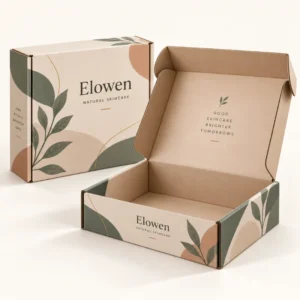
To buy postage boxes is to choose a strong corrugated box that will carry a parcel safely through sorting, transport and delivery, without adding unnecessary bulk or weight. Postage boxes are used for books, gifts, clothing, cosmetics, crafts and small household goods, and they work best when the internal size matches the product and the finished parcel fits the chosen postal service. A good postage box protects corners, holds contents still and presents a clean, professional parcel on arrival.
How to Buy Postage Boxes
Buying postage boxes starts with the product and the postal service, not with a box size alone. List the products that will travel in the box, measure each one as packed, and note the heaviest combination that will travel together. Then consider the postal size band that the finished parcel should fit, because a box that is a few millimetres too deep can move a parcel into a different category. Measure the sealed parcel, including tape and any proud lid, to confirm the size before ordering in quantity.
Also consider how often the box will be used. A business posting daily will value a box that folds quickly, stacks neatly and seals reliably. A business posting occasionally may value a versatile size that covers several product types. In both cases, a small number of well chosen sizes is usually easier to manage than a large range of sizes that each move slowly and are easy to confuse at the packing bench.
Postage Boxes for Different Products
Books need a snug box that protects corners and covers, because a book that moves inside a large box can suffer bent corners and creased covers. A fitted box with a small amount of protective material around the book usually performs better than a large box filled with loose void fill. Gifts need a box that presents well on opening, with tissue or a simple insert that holds items in place and stops them rubbing together during transit.
Clothing, Cosmetics and Crafts
Clothing travels well in a postage box that holds folded garments flat, without forcing them into a tight space that creates deep creases. Cosmetics need separation, because bottles and jars can knock together and leak or chip if they are packed loosely. Craft items vary widely, from flat printed matter to delicate handmade pieces, so a postage box for crafts should be chosen around the most fragile item in the range, with internal protection matched to that item rather than to the average product.
Plain or Printed Postage Boxes
Plain postage boxes are a practical choice for high volume dispatch, where the box is mainly a protective container and the brand is carried by an insert or label. Printed postage boxes add a logo or simple message, which can make a parcel recognisable and improve the customer experience. Print does not need to cover every panel to be effective. A clear logo outside and a short thank you message inside can give a professional result without slowing packing or adding complexity.
When choosing print, think about label placement. The address label needs a flat, unobstructed area, and it should not cover important print or sit across a fold. White board gives a smooth label surface and bright print, while kraft board gives a natural look and also accepts labels well when clean and dry. Test label adhesion on a sample, especially if the box will travel in damp conditions.
Board, Strength and Protection for Postage Boxes
Single wall corrugated board suits light and medium weight parcels, such as books, clothing and small gifts. Double wall board suits heavier parcels, multi item orders and parcels that will be stacked under other goods in a courier or postal network. Choosing board strength from product weight and journey, rather than from box size alone, gives better protection without adding unnecessary weight to the parcel.
Protection inside the box is just as important as board strength. Wrap fragile items separately, use dividers to keep items apart and fill small gaps so contents do not shift. For books, protect corners first. For glass or ceramic items, wrap each piece fully and keep pieces apart with a divider or generous paper fill. For clothing, tissue can reduce creasing and add a sense of care on opening, without adding much weight.
Sealing and Labelling Well
Seal all seams with strong packing tape, and pay particular attention to the base, which carries the weight when the parcel is lifted. For heavier parcels, tape the base twice and check that the tape adheres fully across the seam. Place the address label on a flat panel, write or print it clearly, and include a return address where the carrier allows it, so a parcel that cannot be delivered can be returned rather than lost.
Handling Marks and Postal Guidance
Handling marks should be used only where they are genuinely needed, such as a fragile mark for glassware. Place handling marks where handlers will see them, without covering the address label. For current size guidance, the Royal Mail guide to sending small parcels explains letter and small parcel limits and why a parcel that exceeds a limit must use a parcel service. Always check current carrier guidance before ordering, because size bands and service rules can change over time.
Size Bands in Practice
Royal Mail large letter limits are commonly quoted as a maximum length of 35.3cm, a maximum width of 25cm and a maximum depth of 2.5cm, with a maximum weight of 750g. Royal Mail small parcel limits are commonly quoted as a maximum length of 45cm, a maximum width of 35cm and a maximum depth of 16cm, with a maximum weight of 2kg. These figures describe the finished parcel, not the empty box, so a box that looks suitable on paper may exceed a limit once it is packed, sealed and labelled. Test parcels give the most reliable answer.
If a product sits close to a limit, consider a slightly smaller box, thinner protective material or a different packing arrangement. A small change in internal depth can bring a parcel comfortably inside a band, while a box that sits exactly on a limit leaves no room for normal variation in packing. That margin is especially valuable when several people pack orders, because packing styles naturally vary a little from person to person.
Ordering, Storage and Lead Times
When ordering postage boxes, share the internal size, board preference, box style, print needs and expected usage. Mention the products that will travel in the box and the postal service that will be used, so the supplier can advise on strength and size with context. If artwork is involved, check proofs for spelling, logo position and colour before final approval, because a printed run is difficult to correct afterwards.
After final artwork approval, corrugated boxes are usually produced in 12 to 15 working days and standard boxes in 10 to 14 working days. Those timings are production guides, not guaranteed delivery dates, so allow time for delivery to your premises, unpacking and packing tests. For a seasonal peak or a product launch, order earlier than the production guide alone suggests.
Storing Postage Boxes Efficiently
Store flat packed postage boxes in a dry place, stacked on shelving or pallets and labelled clearly by size. Keep similar sizes apart, because flat boxes in close sizes are easy to confuse at speed. Set a reorder point based on weekly usage plus a buffer, and count stock regularly. A simple stock routine prevents shortages that force a last minute change of box and disrupt packing.
Recycling After Delivery
Cardboard postage boxes can usually be recycled with paper and card collections in the UK, depending on local rules and on any tape, lamination or mixed materials used. A short recycling message inside the lid can encourage customers to recycle the box rather than discard it with general waste. Choosing a simple board and minimal mixed materials makes that message easier to follow. For related packaging, see bulk postage boxes, buy postage boxes online and shop all packaging.
Frequently asked questions
What are postage boxes?
Postage boxes are strong corrugated boxes made to carry parcels safely through postal and courier networks, with internal sizes matched to books, gifts, clothing and small household goods.
How do I buy postage boxes in the right size?
Measure the product as packed, choose internal dimensions with a small clearance, then measure and weigh the sealed parcel to confirm it fits the intended postal size band.
What is the difference between large letter and small parcel sizes?
Large letter parcels are commonly limited to 35.3cm by 25cm by 2.5cm and 750g, while small parcels are commonly limited to 45cm by 35cm by 16cm and 2kg. Always check current carrier guidance.
Should postage boxes be plain or printed?
Plain boxes suit high volume dispatch, while printed boxes suit brands that want recognition and a better opening experience. A simple logo and inside message can be effective without slowing packing.
How long does production take after artwork approval?
Corrugated boxes are usually produced in 12 to 15 working days and standard boxes in 10 to 14 working days after final artwork approval. These are production guides, not guaranteed delivery dates.
Are postage boxes recyclable?
Cardboard postage boxes can usually be recycled with paper and card collections in the UK, depending on local rules and on any tape or mixed materials used.