
branded postage boxes
Showing the single result
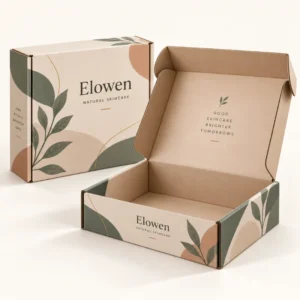
Branded postage boxes are boxes made specifically for posting, with printed branding that remains clear through handling, a strong structure that protects the contents, and a flat area for the postage label. For sellers who post regularly, the box is not just a container: it is the part of the order that the courier handles, the sorting system scans, and the customer first sees. Choosing branded postage boxes that fit the product, suit the chosen postal service and present the brand well will reduce damage, missed scans and repacking.
Choosing branded postage boxes for regular posting
Regular posting rewards a box that is quick to assemble, reliable to seal and consistent in size. When a seller posts the same products repeatedly, a settled box size means labels can be placed in the same position every time, packing becomes routine, and customers receive a familiar parcel. A box that varies in size or closure from order to order creates extra work for the packer and a less professional impression for the customer. Start by listing the products posted most often, then match each product group to a box that fits it snugly, rather than choosing a single box for every product regardless of size.
Weight and fragility should guide board choice. Light, soft products such as apparel and textiles can travel well in a lighter corrugated box, while ceramics, glass, electronics and multi item sets need stronger board and internal protection. A postage box that is too light for its contents may crush at the corners, while a box that is unnecessarily heavy may be harder to handle and store. The goal is the lightest box that still protects the product through normal postal handling, including stacking, sorting and van transport. The branded mailing boxes tag page covers related mailing formats, and the online shop helps compare postage box styles.
Size bands and why they matter
Postal services price parcels partly by size as well as weight, so a box that sits just over a size threshold can move an order into a higher price band. Understanding the size bands for the service used most often helps sellers choose a box that keeps the parcel within the intended band. Large letter formats suit slim, flat items, small parcel formats suit typical online orders, and medium parcel formats suit larger or bulkier goods. A box designed around those bands, with the product and protective wrap measured together, will keep posting predictable and avoid surprises at the counter or at label purchase.
Checking a parcel against its size band
Measure the finished parcel, including any tape, label and protective material, at its longest, widest and deepest points. Check the measurement after packing, because soft items can expand and push a slim box over its limit. If a parcel is close to a threshold, a slightly shallower box, a different fold for textiles, or thinner protective paper may bring it back within the band without compromising protection. Keep a note of the finished measurements for each common product, so the packing team does not need to remeasure every order.
Labelling space and scannability
A postage label needs a flat, smooth area that is large enough for the label and free from folds, tape seams and heavy print. Labels placed across a fold can crease, lift or become hard to scan, which can delay delivery. Keep the main logo and message away from the label area, and test label placement on a packed sample before ordering in volume. If a box will carry both a postage label and a returns label, plan space for both, so neither label covers essential branding or the other label. Clear labelling is a practical detail, but it has a direct effect on delivery reliability.
Keeping branding visible around the label
Branding and labelling can coexist when the design leaves a dedicated label zone. Place the logo on the lid or on a side panel that will not be covered, and keep the label zone in a consistent position, such as the top of the lid or the centre of the base panel. That consistency helps the packing team place labels quickly and helps customers recognise the brand even when a label covers part of the box. A design that reserves space for the label from the start will look more professional than a design that treats the label as an afterthought.
Protecting products posted in branded postage boxes
Protection starts with fit. A product that fits snugly, with a small amount of paper fill or a card divider where needed, is less likely to move and damage itself or other items. Fragile items should be wrapped individually, separated from each other, and placed so they do not touch the box walls directly. Heavier items should sit at the base, with lighter items on top, and the lid should close without pressing down on the contents. Those simple rules, applied consistently, will prevent most transit damage, regardless of the specific product.
For heavier parcels, extra care with board strength, base taping and weight distribution is important. Royal Mail guidance notes that each individual parcel sent through its service should weigh no more than 20kg, and that strong tape along edges and openings helps a parcel survive handling. That guidance is a useful check for sellers who post heavier orders, and it can be read through the Royal Mail guidance on packaging heavy parcels. Checking weight before posting, and splitting an order into two parcels when necessary, is better than risking a box that splits open in transit.
Weather, handling and stacking
Parcels may be handled in rain, stacked under heavier parcels and carried through busy sorting areas. A postage box with a good closure, strong corners and a flat base will cope better with those conditions than a thin box with a weak lid. For products sensitive to moisture, an inner protective wrap can add reassurance, especially for paper products, textiles and items with printed surfaces. The outer box should still be the main protection, because an inner wrap alone will not prevent crushing if the box itself fails.
Sealing for a safe journey
Seal the main closure securely, and add tape across the base for heavier parcels. Press tape firmly along its full length, especially at corners and joins, where stress concentrates. Avoid using tape that is too narrow or too weak for the parcel weight, and avoid leaving loose flaps that can catch on sorting equipment. A well sealed box opens cleanly when the customer uses the tear strip or tuck, but stays closed through handling, which is exactly the balance a postage box should achieve.
Presentation that survives posting
Print on a postage box should be bold enough to survive handling, scuffing and label placement. A simple logo, a clear colour and a short message will remain recognisable even after a long journey, while fine detail and small text may wear or become hard to read. Test print on the actual board, and check how it looks after the box has been handled and stacked, not only when it is fresh from the printer. Inside print, protected from handling, can carry more detail, such as a thank you message, care instructions or a returns note, because it is only seen when the customer opens the parcel.
Ordering branded postage boxes with a realistic schedule
Order planning should start with the products and postal services used most often, then move to artwork and proofing. Confirm board, size, closure and label area, and test a sample with real products and a real label. Check that the finished parcel fits its intended size band, that the label scans, and that the contents arrive tidy after handling. Those checks, done before a large order, will prevent a stock of boxes that look good but post badly.
Lead times after final artwork approval are 10 to 14 working days for standard boxes, 12 to 15 working days for corrugated boxes, and 13 to 16 working days for rigid or specialist boxes. Those timings are planning guidance, not a guaranteed delivery date, so seasonal peaks and product launches should allow extra time for packing and posting. Sellers can request a quote, check delivery information, and read the about Personalized Mailer Boxes page before confirming an order.
Keeping postage boxes in stock
Monitor stock by size and by product group, because a surge in one product can deplete its box size while other sizes remain plentiful. A simple reorder point for each size, based on weekly posting volume and lead time, will keep posting smooth. Store flat packed boxes by size, clearly labelled, so the packing team can find the right box quickly. That organisation may seem minor, but it directly affects packing speed and the consistency of parcels received by customers.
Frequently asked questions
What is a branded postage box?
A branded postage box is a strong box printed with a logo or message, designed for posting through postal and courier services. It protects the contents in transit, provides a flat area for the postage label, and presents the brand clearly on delivery.
How do I keep a parcel within its postal size band?
Measure the finished parcel, including tape and protective material, at its longest, widest and deepest points. Choose a box that keeps the packed parcel within the intended size band, and recheck the measurement if the product or packing method changes.
Where should the postage label go?
Place the postage label on a flat, smooth area that does not cross a fold or a flap edge, and keep it clear of essential branding where possible. A label that lies flat and scans easily helps avoid delivery delays.
How long do corrugated branded postage boxes take?
Corrugated boxes take 12 to 15 working days after final artwork approval. Allow additional time for packing and posting, and order before peak periods to avoid stock gaps.