
branded mailing boxes
Showing all 2 results
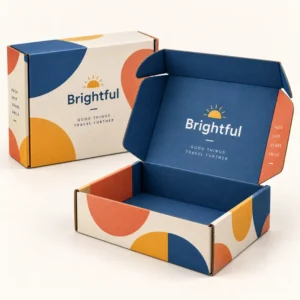
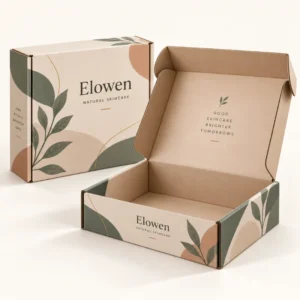
Branded mailing boxes are sturdy, print ready boxes made for sending products through the post, with a brand logo or message on the outside and protection built into the board. They bridge the gap between a plain postal box, which protects but says nothing about the brand, and a retail gift box, which looks beautiful but may not survive sorting and courier handling, and that is why branded mailing boxes need both strength and print. A good mailing box keeps the parcel presentable at the doorstep, keeps the label flat and scannable, and opens without a struggle for the customer.
What makes a mailing box different
A mailing box is designed around the realities of posting. It will be handled, stacked, sorted and carried, sometimes in wet weather, and it must keep its shape through that journey. That means a reliable closure, strong corners and a board that resists crushing when other parcels are placed on top. Many mailing boxes use a self locking style, where side walls fold in and the lid tucks securely, so the box stays closed without relying only on tape. Tape can still be used for extra security, especially for heavier parcels, but the box should not fall open if tape is removed at the doorstep.
Size is also a posting consideration. A mailing box that fits the product snugly, with a small allowance for protective paper, is less likely to shift in transit and less likely to be damaged by its own contents moving. Slim mailing boxes suit flat products such as books, prints, calendars and slim apparel, while deeper boxes suit multi item orders and products that need an insert. The branded postal boxes tag page covers closely related postal formats, and the online shop allows different mailing styles to be compared side by side.
Postal sizes and letterbox delivery
Letterbox delivery is a major advantage for many online sellers, because a parcel that fits through a letterbox avoids a missed delivery and a trip to a collection point. Slim mailing boxes designed to stay within a letterbox depth can make that possible, provided the product and any protective wrap are measured together. A box that is only a few millimetres too deep, or that bulges when filled, may fail a letterbox test and need a different delivery method. Measuring the packed box, not only the empty box, is therefore essential when letterbox delivery is part of the plan.
Measuring for a reliable letterbox fit
Measure the finished parcel at its thickest point, including tissue, inserts and any closure that adds depth. Check the fit with the product packed as it will be sent, and allow for slight expansion of soft items such as folded textiles. If a product is borderline, consider a shallower insert, thinner tissue or a different fold for apparel, rather than forcing a box that is too shallow. A parcel that fits comfortably through a letterbox, without squeezing, will arrive in better condition and will be easier for the customer to retrieve.
Board and closure choices for mailing
E flute corrugated board is a common choice for mailing boxes because it is light, prints well and provides good protection for its weight. For heavier or more fragile contents, a stronger board or a double wall construction may be more suitable, because it resists pressure from stacking and handling. Kraft board gives a natural finish that suits many brands, while white board gives brighter print and a cleaner look for premium products. The closure should be easy for the packer to seal and easy for the customer to open, ideally with a tear strip or a clean tuck that does not require a knife across the main design.
When to add tape for extra security
Tape is worth adding when the parcel is heavy, when it contains multiple items that could press against the lid, or when it will travel a long distance. Apply tape along the main closure and, for heavier parcels, across the base as well, so the load is supported. Keep tape clear of essential print and of the label area, so the brand remains visible and the label can be scanned. A well taped mailing box still opens cleanly if the tear strip or tuck is left accessible, so security and ease of opening do not have to conflict.
Designing branded mailing boxes for the doorstep moment
The doorstep moment is brief but influential. A customer who receives a tidy, clearly branded parcel is more likely to feel confident about the purchase and to share a photograph. Keep the outside design simple: a clear logo, a consistent colour and a short message that can be read at a glance. Avoid covering the box with small text that will not be read outdoors, and keep a clear, flat area for the address label. That label area should not cross a fold or a flap edge, because a label that lifts or creases can cause scanning problems and delivery delays.
Inside print can turn a functional mailing box into a brand experience. A short thank you message inside the lid, care instructions for the product, or a note about returns will be read at the moment the customer is most engaged. That interior space is also a good place for a prompt to reorder, to leave a review or to follow the brand, provided the message is short and helpful rather than pushy. The combination of a simple exterior and a thoughtful interior often works better than a busy exterior that tries to say everything at once.
Protecting contents through sorting and handling
Sorting and handling put pressure on corners, edges and the base of a parcel. A mailing box with double thickness sides, well creased folds and a snug fit will cope better than a loose box with empty space. Fragile items should be wrapped individually and separated with a divider or paper fill, so they do not knock together. Items that could leak, such as bottles, should be sealed in a separate protective layer where appropriate, and placed upright with a divider if the box allows. Those practical steps, more than any single board grade, determine whether a parcel arrives in good condition.
Packing fragile items for mailing
Wrap each fragile item separately, with enough cushioning to absorb a knock without adding so much bulk that the lid will not close. Place heavier items at the base and lighter items on top, and fill remaining gaps with paper so nothing shifts when the box is tilted. Check that the lid closes without pressure, because pressure on a fragile item can cause damage even if the box itself survives. A quick tilt and shake test, done before sealing, will reveal whether anything needs repositioning.
Sustainability and disposal for mailing boxes
Customers appreciate mailing boxes they can recycle easily. Corrugated board is widely recyclable, and a short message inside the lid can explain that the box and any paper insert can be recycled together. Avoid mixing materials that are hard to separate, and avoid excessive plastic fill when paper fill would protect the product just as well. A mailing box that is easy to flatten after opening also helps customers, because it takes less space in recycling and is less likely to be left cluttering a hallway. Simple, honest disposal guidance builds trust more effectively than vague environmental claims.
Ordering branded mailing boxes and planning lead times
Before ordering, confirm the products to be mailed, the most common parcel sizes, and whether letterbox delivery is required for any of them. That information determines board, depth and closure, and prevents ordering a box that looks right but fails a letterbox test or a stacking test. Artwork should be checked on the chosen board, with logos kept clear of folds and the label area kept flat and unobstructed. A sample packed with real products will confirm fit, closure and presentation before a larger order.
For planning, standard boxes take 10 to 14 working days after final artwork approval, corrugated boxes take 12 to 15 working days, and rigid or specialist boxes take 13 to 16 working days. Those timings are planning guidance, not a guaranteed delivery date, so allow time for packing and posting after the boxes arrive. For heavier parcels, Royal Mail guidance on packaging heavy items is a useful reference for board strength, taping and weight checks, and it can be read through the Royal Mail guidance on packaging heavy parcels. Brands can also request a quote, check delivery information, and learn more on the about Personalized Mailer Boxes page.
Final checks before a mailing box order
Check the label area, the closure, the letterbox fit where relevant, and the packed presentation, all with real products. Confirm artwork spelling, logo clarity and colour on the actual board, and confirm that any inside message reads well at the size it will print. Those final checks, done calmly before production, will save reprints and repacking later. A mailing box that passes those checks will serve the brand well across many orders, because it will be reliable for the packer, presentable for the customer and robust through the postal journey.
Frequently asked questions
What is a branded mailing box?
A branded mailing box is a sturdy box printed with a logo or message, designed to protect products through sorting and courier handling while presenting the brand clearly on delivery. It combines postal strength with a clean opening and a tidy interior.
Can a mailing box fit through a letterbox?
Some slim mailing boxes can fit through a letterbox, provided the packed parcel, including tissue and inserts, stays within the required depth. Always measure the finished parcel at its thickest point before relying on letterbox delivery.
Do mailing boxes need tape?
Many mailing boxes have a secure tuck closure that works without tape for light parcels. Heavier parcels, multi item orders and long distance deliveries benefit from tape along the closure and across the base for extra security.
How long do corrugated branded mailing boxes take?
Corrugated boxes take 12 to 15 working days after final artwork approval. Allow additional time for packing and posting, and plan seasonal orders well in advance of peak delivery periods.