
book postage boxes
Showing the single result
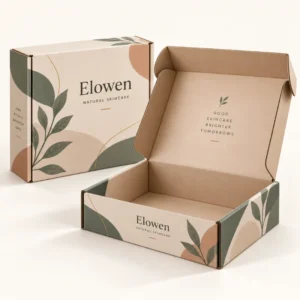
For sending books by post, book postage boxes are boxes made specifically for the postal system, with a close fit, firm board and a secure seal that survives sorting, transport and final delivery. A good book postage box keeps the book flat from the moment it is sealed until the moment the reader opens it.
Why book postage boxes suit the postal journey
Postal journeys are not gentle. A parcel may be stacked under other parcels, moved between vans and sorting centres, and carried to a doorstep, a locker or a collection point. A book postage box is designed for that reality. Its board resists bending, its corners absorb knocks, and its seal stays closed under stacking weight. Because the box fits the book closely, the book does not gain momentum inside the pack, which is the main cause of corner damage and cover denting in transit.
Postage boxes for books also need to work for the people who handle them. A flat outer panel makes labelling and scanning easy. A clear, even shape stacks well and sits safely in a van or a locker. A simple opening method lets the reader open the box without tools or frustration. When a box works well for the sender, the carrier and the reader, deliveries go more smoothly and fewer books come back damaged.
From packing bench to post box
The journey starts at the packing bench. Choose a box that matches the closed book size, place the book centrally, fold the board to the book thickness, seal firmly and label clearly. That routine, repeated the same way for every order, reduces errors and speeds dispatch. A bench guide that lists which box suits which book size helps new staff pack correctly from the first day, and a quick check of the finished pack, including a gentle shake test, catches a loose pack before it leaves the building.
Sealing for a postal journey
A seal strip should grip on first contact and stay closed across the full flap length. Tape, where used, should be applied in one clean strip and pressed down firmly, rather than in overlapping pieces that peel at the edges. Avoid sealing over a bulge, because a strained seal is the first part of a pack to fail. After sealing, check that no edge has lifted and that the label sits on a flat panel, clear of the seal and any opening strip.
Choosing a book postage box by postal format
Postal format is decided by the finished pack, not by the book alone. Measure length, width and greatest thickness after sealing, and weigh the finished pack including any sleeve, inserts and label. Compare those figures with current service limits before you buy postage. A slim paperback in a wrap style postage box may qualify as a large letter, while a hardback, a pair of books or a book with a gift insert will usually travel as a parcel. Getting the format right at the bench avoids delays, returns and extra handling at the sorting centre.
For current limits, check the Royal Mail UK parcel and letter services page, because limits and services change over time. Do not rely on an old label, an old guide or a memory of a previous format. A quick check before a large send, or when you change box sizes, takes little time and prevents a batch of parcels being measured differently from how you expected.
Single book postage
Single book postage suits a wrap style box that folds to the book thickness. The pack stays slim, which helps with postal format, and the book stays flat, which helps with condition on arrival. A single book box also presents well, because the book sits centrally when opened. Use a sleeve or tissue only where the cover, signature or edition needs extra care, and keep the finished pack as slim as the book allows.
Multi book and set postage
Multi book postage needs a deeper, stronger box that holds a stack as one even block. Stack books of similar size with the largest at the bottom, align spines, and use a board divider if covers might rub. Check that the stack does not lean and that the box closes flat without a bulge at the middle. For a boxed set, keep the set together as a unit and choose a box that supports the set across its whole base, so weight does not concentrate at one corner during handling.
Posting books as gifts and special orders
Books sent as gifts need a postage box that protects the book and presents it well, without revealing a price or a sender note that was meant only for the buyer. Place a gift message inside the box, keep the outside clean, and choose an opening method that feels pleasant rather than fiddly. For signed copies, preorders and limited editions, add a sleeve or tissue layer and a note inside that the book is signed, so the reader handles it with care on opening. A small, thoughtful touch inside the box often matters more than elaborate outside decoration.
Special orders also need clear communication about timing. A reader waiting for a signed book or a gift will want to know when the book was posted and what to expect on arrival. A tracking reference, a dispatch note and a clear returns instruction all help. Keep the returns instruction inside the box as well as in the dispatch message, so the reader can find it easily if a return is needed. Clear communication reduces queries and builds trust, especially for independent sellers.
Reducing damage and returns in book postage
Damage in book postage usually comes from movement, bending or corner impact, and all three can be reduced by a close fitting box. Check your returns for patterns: if corners are damaged, the box may be too large or the board too light. If covers are scuffed, books may be rubbing together or against rough board. If spines are damaged, books may be packed spine first against a fold or stacked unevenly. Fixing the packing pattern is usually cheaper and more effective than adding more filling material.
Handling damp and weather on the way
Rain and damp are a real risk for book postage, especially for parcels left in a porch, a locker or an outdoor collection point. Board that stays rigid when lightly damp, a seal that stays closed, and a label that stays legible all help. For valuable or signed books, a sleeve inside the box adds a useful layer of protection against light damp without changing the pack size greatly. Avoid leaving a book postage box in a damp stockroom before dispatch, because board that has already softened will not protect as well in transit.
Custom printed book postage boxes
Printed postage boxes let a seller, publisher or author carry a brand through the postal journey. A simple logo and shop name on the outside help the reader recognise the parcel. A message inside, such as a thank you, a reading recommendation or details of a series, makes opening part of the experience. Print should be kept clear of folds, seals and labels, so the finished box looks clean and the label remains easy to scan. A consistent design across single and multi book boxes helps customers recognise every order from the same sender.
For printed postage boxes, production follows after final artwork is approved. Standard lead times after final artwork approval are 10 to 14 working days, corrugated lead times are 12 to 15 working days, and rigid or specialist lead times are 13 to 16 working days. Those are production lead times, not a guaranteed delivery date, so plan artwork approval, production and postal transit together, especially for a launch, a signing tour or a seasonal gift send. A quote will confirm the box size, quantity and print details for your books.
How to brief a postage box order
Share the closed sizes and weights of the books you post most, the number of books per parcel, and whether parcels include gifts, inserts or signed cards. Share your logo, colours and any inside message you want printed. Note your usual postal format and any locker or collection point use, because that can affect board and seal choice. A clear brief leads to a quote that reflects the real job, and a box that fits first time without trial and error at the bench.
Recycling after delivery
Corrugated board postage boxes are widely recyclable through household cardboard recycling. Readers can also reuse a sturdy box for storage or for posting a book onward, which extends its life. A short note on the inside flap about recycling or reuse helps the reader and shows responsible packaging without making claims that cannot be supported. Keep the pack mainly to board where possible, and keep tape and mixed materials to a minimum.
To order postage boxes for books, visit the Personalized Mailer Boxes home page, browse the full shop, request a custom quote, read delivery information, learn about the team, and view book mailing boxes for related wrap mailers.
Frequently asked questions about book postage boxes
What is the best box for posting a book?
A close fitting wrap style box or postal box made from firm corrugated board is best for most books. It keeps the book flat, guards corners and keeps the finished parcel slim for posting.
How do I know if my book parcel is a large letter or a parcel?
Measure and weigh the finished, sealed pack and compare it with current Royal Mail limits. A slim, light paperback may qualify as a large letter, while a hardback or multi book parcel usually travels as a parcel.
Can I post a book in a reused box?
Yes, if the reused box is still firm, clean and free from crushed corners or weakened creases. Remove old labels, check the seal area, and choose a fresh box if the old one has lost its rigidity.
Should I add padding when posting a book?
Usually no extra padding is needed if the box fits snugly. Use tissue or a sleeve for a delicate cover, a signed copy or a book with loose inserts, and change the box size first if the book still moves.
Can book postage boxes be custom printed?
Yes. Print a logo on the outside and a message on the inside, keeping artwork clear of folds, seals and labels. Share your book sizes and artwork ideas through the quote page for a specification based quote.