
book packaging boxes
Showing all 2 results
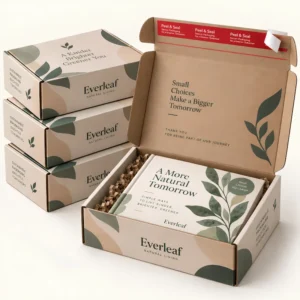
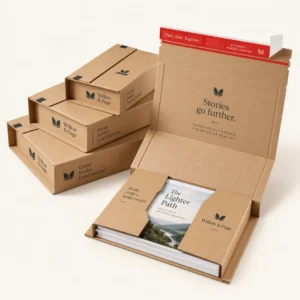
Book packaging boxes are the range of boxes used to post, gift and store books of different sizes, from slim paperbacks to heavy hardbacks and multi book sets. A good range of book packaging boxes lets a seller choose a close fitting box for each order, rather than forcing every book into the same oversized carton.
Why book packaging boxes work best as a range
No single box size suits every book. A shop that sells paperbacks, hardbacks, children’s books and art books will handle a wide spread of lengths, widths, thicknesses and weights. Keeping a range of book packaging boxes on hand means each order can be packed in a box that fits, which reduces movement, reduces board waste and keeps the finished parcel slim. It also speeds packing, because staff can reach for a known size instead of measuring and improvising for every order.
A range also helps with storage and ordering. Flat packed boxes store neatly on shelves, and a small set of standard sizes is easier to stocktake than a drawer full of odd boxes. When a size runs low, it can be reordered without changing the packing routine. For larger sellers, standardising on a range makes training easier, because new staff learn a short list of sizes and the books each size suits, rather than a long list of exceptions.
Core sizes in a useful book box range
A useful range usually starts with a small box for mass market paperbacks and slim journals. The next size up suits trade paperbacks and standard hardbacks. A larger size suits oversized paperbacks, portfolios and coffee table books. A deeper box suits boxed sets, multi book orders and books sent with inserts. Some ranges also include a very large format for atlases and art books. The exact sizes depend on your catalogue, but the principle stays the same: each step up should cover a clear group of books, with no large gaps and no needless overlap.
Matching box size to book type
Mass market paperbacks suit the smallest box in the range, with a slim depth. Trade paperbacks and standard hardbacks suit a medium box with firmer board. Children’s picture books, which are often wide and square, suit a box with a wider footprint rather than a taller one. Art books and atlases suit a large, rigid box with strong board across a wide span. Textbooks suit a box that supports heavy weight across the base. Keeping a simple size guide at the packing bench, with book examples for each box, prevents most size mistakes.
Choosing board and closure across a range
Board strength should rise with book weight and with box size. Small boxes for light paperbacks can use single wall board and still protect well. Medium boxes for hardbacks benefit from firmer board, especially at the corners. Large boxes for art books and sets need board that resists bending across a wide area and supports stacking weight. Closure matters too: a peel and seal strip speeds high volume packing, while tape closure suits a rigid box or a box that may need to be opened and resealed for inspection.
Consistency across the range helps the brand as well as the packing team. If all boxes share a colour, a logo placement and an opening method, customers recognise the brand across orders of different sizes. That consistency also helps with returns, because a customer who knows how to open one box will know how to open the next. A consistent range looks professional on a shelf, in a stockroom and on a doorstep.
Packing multiple books in boxes from the range
When an order contains several books, choose the smallest box that holds the stack as one even block. Stack books of similar size together, with the largest at the bottom, and align spines so the stack does not lean. If books differ greatly in size, consider splitting the order into two boxes from the range rather than packing a small book beside a large one where it can rattle. A board divider between books can stop covers rubbing, and a sheet of tissue can protect a delicate cover in a multi book stack.
Storage, stock control and reordering
Store flat packed boxes by size, with the size label visible, and keep a packing bench clear of open boxes that are not in use. Count stock weekly during busy periods and monthly during quieter periods, and note which sizes move fastest. That record makes reordering simple and prevents the common problem of running out of the most used size while holding excess stock of a rarely used size. A range that is managed well costs less in the long run than a range that is bought in a panic.
Printed book packaging boxes for a growing brand
Printed boxes turn a functional range into a brand asset. A consistent logo, colour and message across all sizes tells customers that different orders come from the same seller, even when the box size changes. Outside print can be bold and simple, so it stays legible after handling. Inside print can carry a thank you, a series note or a returns instruction that the reader sees on opening. Keeping print placement consistent across sizes avoids a design that works on a large box but looks cramped on a small one.
For printed ranges, artwork approval comes before production. Standard lead times after final artwork approval are 10 to 14 working days, corrugated lead times are 12 to 15 working days, and rigid or specialist lead times are 13 to 16 working days. Those are production lead times, not a guaranteed delivery date, so plan approval, production and postal transit together, especially before a launch, a busy season or a subscription send that involves several box sizes at once.
Planning quantities across sizes
Order quantities should follow sales, not guesswork. Look at the last few months of orders by book size, and order more of the sizes that cover your best sellers. A small buffer for a seasonal peak is sensible, but a very large buffer ties up storage and cash. If you are launching a new title or a new format, order a trial quantity first, test the pack in real postal conditions, and then commit to a larger run once the size and board choice are proven.
Sustainability across a whole range
A range built mainly from corrugated board is widely recyclable, and a single material approach makes recycling easier for readers. Avoid mixing materials across sizes unless a specific book needs it, and add a short recycling note that works for every size in the range. Businesses that place packaging on the UK market should check the GOV.UK guidance on extended producer responsibility for packaging to understand registration and reporting duties. For postal formats, see the Royal Mail UK parcel and letter services page.
To build your range, visit the Personalized Mailer Boxes home page, browse the full shop, request a custom quote, read delivery information, learn about the team, and view book packaging box for the single book option.
Frequently asked questions about book packaging boxes
How many sizes of book packaging boxes should I stock?
Most sellers need three or four sizes: a small size for paperbacks, a medium size for standard hardbacks, a larger size for oversized books, and a deeper size for sets. Base your range on the books you actually sell, not on a generic list.
Can I use the same box for paperbacks and hardbacks?
You can, but a close fitting box protects better and looks more professional. A box that fits a hardback will usually be too large for a paperback, leaving movement that can damage corners. Keep at least two sizes if you sell both formats regularly.
Are book packaging boxes flat packed for storage?
Yes, most book packaging boxes arrive flat packed and fold up at the packing bench. Flat storage saves shelf space and makes it easy to keep several sizes on hand without a large stockroom.
Can book packaging boxes be printed with my brand?
Yes. Print can be consistent across the whole range, with a logo and message that work on small and large boxes alike. Share your size list and artwork ideas through the quote page for a range based quote.
How do I stop books moving in a multi book box?
Choose the smallest box that holds the stack as one even block, align spines, and place the largest book at the bottom. Use a board divider between books if covers might rub, and avoid loose filling that lets the stack tilt.