
book packaging box
Showing the single result
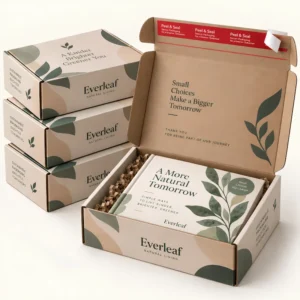
A book packaging box is a single box made to hold one book securely for posting, gifting or storage, with board that keeps the book flat and corners that resist crushing. It differs from a general postal box because its proportions follow the shape of a book, so the book cannot slide, tilt or bend inside an oversized space.
Why a book packaging box fits one book so well
Books have a distinctive shape: flat, rectangular and heavier than they look. A general box often leaves a wide gap around a book, and that gap becomes movement in transit. A book packaging box closes that gap. Its length and width sit just above the closed book, and its depth can be set to the book thickness. The result is a pack that feels solid in the hand, stacks neatly, and protects the most vulnerable parts of a book, namely the corners, the spine hinge and the cover edges.
The single book focus also helps presentation. When a reader opens a box made for one book, the book sits centrally and looks intentional, like a product that was packed with care rather than dropped into spare packaging. That matters for a signed copy, a first edition, a prize, a gift or a review copy where first impression counts. A box made for one book also makes labelling simple, because the outer panel is flat, clear and easy to read.
Anatomy of a well made book box
A well made book box starts as a flat sheet of board with scored folds, a secure closure and an opening method that does not endanger the book. The base should support the full weight of the book without sagging. The sides should rise squarely around the book without bowing out. The lid or flap should close flat and stay closed under stacking weight. A tear strip or a clear opening point lets the reader open the box without cutting towards the book, which is a small detail that readers notice and appreciate.
Board choices for a single book box
Single wall corrugated board suits most paperbacks and standard hardbacks in a single book box. Double wall board suits heavy art books, atlases and books with a slipcase, where extra rigidity across a wide span is needed. Solid board can suit a presentation box that will be kept after opening, but it adds weight and can be less forgiving if dropped. The right choice depends on the book weight, the book size and the distance the box will travel, not on a general rule about thicker always being better.
Measuring a book for its packaging box
Close the book and measure length, width and thickness. If the book has a dust jacket, measure with the jacket on, because that is how it will travel. If the book will be sent in a sleeve, measure with the sleeve on. Choose a box with internal length and width a few millimetres above the book size, so the book slides in without forcing and without rattling. Depth is the most flexible figure in a wrap style box, because scored creases let the board fold to the book thickness.
Weigh the finished box with book, sleeve and label included. That packed weight, plus the finished outer dimensions, will guide your choice of postal service. A slim paperback in a single book box may fit a large letter format, while a thick hardback will usually travel as a parcel. Always measure at the thickest point after sealing, because a bulge at the seal can change the format and delay a delivery. Check current limits on the Royal Mail UK parcel and letter services page before you post.
Packing one book with care
Place the book centrally, with the spine protected and the cover facing up where the design allows. Fold the sides in evenly, crease the folds firmly, and close the flap without forcing it over a bulge. If the box has a seal strip, press it along its full length. If it closes with tape, use one clean strip across the opening rather than several overlapping strips that make opening messy. Add the label to a flat panel, clear of the opening, so the reader can open the box without tearing the label.
Protecting special books in a single box
Signed books, limited editions and books with gilt or foil covers benefit from a tissue wrap or a clear sleeve inside the box. The sleeve stops the cover rubbing against board and keeps a signature safe from scuffing. For a book with loose maps, plates or inserts, place a thin board sheet on top of the book to keep inserts flat and in place. For a book with a fragile spine, avoid packing anything on top of the book inside the same box, and choose a box depth that does not press down hard on the spine.
Custom printed single book boxes
A printed single book box can carry a shop name, a publisher mark, a short message or artwork that reflects the book inside. Because the box holds only one book, the print can be focused: a strong mark on the outside, a warm message on the inside, and practical notes such as returns information where the reader will find them after opening. Keep the design simple on the outside so the label stays legible, and use the inside for detail that rewards opening.
Printed boxes follow the same production path as other custom packs. Artwork is checked and approved, then production begins. Standard lead times after final artwork approval are 10 to 14 working days, corrugated lead times are 12 to 15 working days, and rigid or specialist lead times are 13 to 16 working days. These are production lead times, not a guaranteed delivery date. Plan artwork approval, production and postal transit together when you set a publication date, a signing date or a gift send date.
Ideas for a memorable single book opening
A bookmark tucked inside the lid, a short note from the author, or a card about the next book in a series can turn a delivery into an experience. Keep inserts flat and light so they do not press on the book or change the packed size. A simple, consistent opening ritual across all your single book sends builds recognition: readers learn what to expect, and that familiarity can encourage them to order again or to share a photo of the opening.
Storage and reuse after delivery
Many readers keep a sturdy single book box for storage, for returning a book, or for posting a book onward. A box that opens cleanly and reseals reasonably well is more likely to be reused, which extends its useful life. A short note on the inside flap, such as a line saying the box can be reused or recycled, helps the reader decide what to do with it. Corrugated board boxes are widely recyclable through household cardboard recycling when they reach the end of their life.
To compare sizes and options, visit the Personalized Mailer Boxes home page, browse the full shop, request a custom quote, read delivery information, learn about the team, and view book packaging boxes for related packs.
Frequently asked questions about book packaging box
What size book packaging box do I need?
Measure the closed book with any dust jacket or sleeve on, then choose a box with internal length and width just above those figures. Use a wrap style box whose depth folds to the book thickness for the snuggest fit.
Can a book packaging box hold a hardback safely?
Yes, provided the board is firm enough for the book weight and the box fits snugly. Heavy hardbacks, art books and books with slipcases benefit from stronger board and a box that supports weight across the whole base.
Do I need padding inside a single book box?
Usually no padding is needed if the box fits well, because the board itself protects the book. Use tissue or a sleeve only for a delicate cover, a signed copy or a book with loose inserts that need to stay flat.
How do I open a book packaging box without damaging the book?
Use the tear strip or opening point if one is provided, and open away from the book. Avoid cutting across the box with a knife, because a blade can easily reach the cover or pages underneath.
Can a single book box be custom printed?
Yes. You can print a logo or artwork on the outside and a message on the inside. Share your book size, quantity and artwork ideas through the quote page for a specification based quote.