
b&m postage boxes
Showing the single result
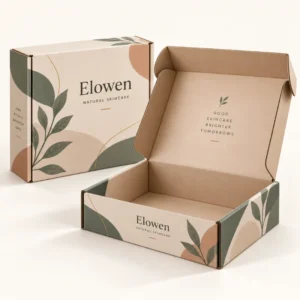
The phrase b&m postage boxes is used by shoppers looking for a low cost, practical postal box, often bought alongside other household items for a gift, a return, a small sale or a home clear out. In practice, the search covers plain parcel and postal boxes in general sizes, so value alone is not a reliable guide. A good value box is one that fits the product, stays strong in transit and posts in the format you expect, without needing excessive padding to fill empty space.
What b&m postage boxes usually means for buyers
Discount store buying appeals because a box can be picked up quickly and inexpensively, without ordering a trade quantity or waiting for a packaging delivery. That suits occasional senders, new sellers testing a first batch of orders, and households that need a few boxes for posting or storage. It also suits seasonal needs, such as Christmas gifts or a spring clear out, when a small number of boxes is enough.
The main limitation is choice. A discount range is likely to offer a few popular sizes, rather than a full range of depths, board grades and printed options. That limitation matters most for unusual products, fragile items and repeat sellers, because a box that is close but not quite right may need extra padding, may look untidy, or may push a parcel into a larger postal format.
Value packs and single boxes
A value pack suits a household or seller who knows they will use several boxes of the same size. A single box suits a one off parcel or a size test. Before buying a pack, test one box with the real product, because a pack of boxes that do not fit is not good value, even if the unit cost looked attractive at the shelf.
Checking a value pack before you buy several
Check internal size, board feel, flap quality and lid closure, and look for crushed corners or damp board in the pack. A box that feels thin may still suit a light item, but it may not suit a heavier gift or a set of books. Match the pack to the heaviest item you plan to post in that size, not just to the lightest.
Size and strength checks for b&m postage boxes
Measure the product including gift wrap, a retail carton or a protective sleeve, then compare it with internal length, width and depth. Depth is the measurement most often missed, because a box can look large from above while still being too shallow for a chunky item. If the lid bulges, choose a deeper box rather than forcing the closure, because a strained lid is more likely to split in sorting.
Board strength should match weight and fragility. Single wall corrugated board suits light and medium parcels, such as clothes, soft toys, paperbacks and small gifts. Heavier or fragile items need stronger board, extra wrapping or a smaller box that limits total weight. A large box filled with heavy items is a common cause of base failure, so split heavy loads into smaller parcels where possible.
Flat boxes and deeper parcel boxes
Flat boxes suit documents, certificates, magazines and thin books, and they help keep a finished parcel thin. Deeper boxes suit boxed gifts, mugs in protective wrap, small household items and orders with two or three slim items together. The finished parcel format depends on thickness and weight after packing, so a flat box with bulky padding may still fall into a parcel format.
Postal format guide for everyday parcels
For everyday planning, think of large letter as roughly 353 mm by 250 mm by 25 mm and roughly 750 g, and small parcel as roughly 450 mm by 350 mm by 160 mm and 2 kg. Check current Royal Mail guidance before posting, because limits and services can change. Weigh the finished parcel after taping, and measure its thickest point, rather than relying on the empty box size.
Packing b&m postage boxes well at home
Good packing does not require specialist equipment. Centre the product, add light void fill to stop movement, tape the base and lid seams, and label the largest flat face clearly. Wrap fragile items separately, so they are protected even if the outer box is knocked, and use dividers for sets of small items that could scratch each other.
For gifts, wrap the item first, then add tissue for a neat opening. For returns, remove old labels, repack with fresh padding, and check that the box is still strong enough for a second journey. For storage, label the box with its contents, keep it dry and avoid stacking heavy boxes on top of light ones, which can crush the lower boxes over time.
Storage and reuse
Flat packed boxes store well in a dry cupboard or under a bed, and a small stock of two useful sizes covers most home needs. Store boxes flat, away from damp walls and floors, and keep a few made up for urgent parcels. Reuse a box only if it is clean, dry and structurally sound, with intact flaps and square corners.
When to recycle a box instead of reusing it
Recycle a box with crushed corners, torn flaps, damp board or a weakened base. A weakened box may look acceptable when empty, but it can fail when lifted or stacked. Paper based corrugated board can usually be recycled through paper and card recycling once tape and non paper inserts are removed where local guidance asks for that.
B&m postage boxes and a custom printed alternative
This page discusses the packaging type behind the search term. It does not claim that this site sells that retailer’s own branded range, and it does not link to that retailer. A custom printed mailer from a specialist supplier is a different option for sellers who post regularly and want the same size, print and board quality for every order, rather than a general pack that may vary between batches.
For custom printed orders from this site, standard lead times after final artwork approval are 10 to 14 working days, and corrugated orders are 12 to 15 working days. Those lead times are for production after artwork approval, not a guaranteed delivery date. Keep plain boxes for urgent home parcels, and plan a custom run ahead of a product launch or a busy selling period.
Deciding between a value pack and a custom run
Choose a value pack for occasional parcels, size tests and home storage. Choose a custom run when you post the same products each week, when branding matters, or when you need a size that general packs do not offer. Many small sellers use both, with a plain box for unusual orders and a printed mailer for their main range.
A quick buying checklist
Ask whether the internal size fits your product with light padding, whether the board suits its weight, whether the lid closes flat, whether the finished parcel format is acceptable, and whether you can buy the same box again. If any answer is unclear, test one box first. A short test is the simplest way to turn a low cost box into genuine value.
Browse the shop range, request a tailored quote through get a quote, read the delivery information page, and compare with a5 postage boxes, and check the Royal Mail size guidance.
Frequently asked questions
Are b&m postage boxes good for online selling?
They can be, for light and standard shaped products that fit well, especially for a first batch of orders or occasional sales. For repeat selling, check that you can obtain the same size again, and consider a custom mailer for consistency in fit, board quality and branding.
How do I choose between a flat box and a deep box?
Choose a flat box for documents, certificates, magazines and thin books that need to stay thin. Choose a deep box for chunky gifts, boxed items and orders with several slim products together. Test pack the real product, because depth decides whether the lid closes flat.
Can I post a heavy item in a value pack box?
Yes, if the board suits the weight and the box is not overloaded. Use a smaller box for heavy items, split very heavy loads, and add internal protection for fragile parts. A box that bows at the base or crushes at the corners should not be used for a heavy item.
How should I store spare postal boxes?
Store them flat, dry and away from damp floors, and keep a small stock in two useful sizes. Recycle any box that is damp, crushed or torn, because a weakened box may fail in transit even for a light parcel.