
a5 postage boxes
Showing the single result
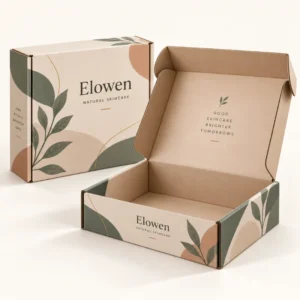
People searching for a5 postage boxes usually need a box that holds an item close to A5 size and keeps the finished parcel within a sensible postal format. These boxes are used for books, documents, magazines, certificates, small gifts and compact ecommerce orders, and the best choice depends on thickness and weight as much as on length and width. Measure the finished parcel, including padding and tape, before choosing a postal format.
How a5 postage boxes relate to postal formats
Postal formats in the UK are based on the finished parcel, not on the name printed on the box. A flat A5 box may qualify as a large letter if the packed parcel stays within the current large letter limits for size, thickness and weight. A deeper box, or a flat box packed with bulky padding, will usually move into a small parcel format. That distinction matters because it affects postage, handling and the service options available.
Royal Mail publishes size and weight guidance for letters, large letters and parcels, and that guidance is the safest reference before posting. As a general guide, a large letter format has a maximum size around 353 mm by 250 mm by 25 mm and a maximum weight around 750 g, while a small parcel format allows up to around 450 mm by 350 mm by 160 mm and up to 2 kg. Limits and services can change, so confirm the current guidance for the service you plan to use.
Flat boxes for large letter posting
Flat postal boxes, sometimes called PIP boxes, are designed to stay thin when packed. A C5 or A5 flat box with internal dimensions around 218 mm by 159 mm by 20 mm suits documents, certificates, magazines, thin books and small flat gifts. The locking tabs hold the lid in place, and one strip of tape or a label over the closure adds security without adding much thickness.
Keeping a flat parcel flat
Avoid thick bubble wrap inside a flat box, because padding that looks thin when loose can push the lid up once the box is closed. Use tissue, a thin card stiffener or a single layer of light padding where needed, and test the closed parcel with a ruler across the thickest point. If the lid bulges, choose a deeper box and accept the parcel format rather than forcing a flat format.
Deeper boxes for small parcels
Deeper A5 postage boxes suit a single chunky book, a boxed cosmetic set, a small electronic accessory in its retail carton, or two slim items packed together. Telescopic boxes, which have a separate lid that slides over the base, are useful here because the lid overlap adds strength to the sides and allows some adjustment in height. Fixed depth mailers are faster to pack for repeat orders, because the size is consistent every time.
Choosing a5 postage boxes by product and journey
Start with the product, then think about the journey. A paperback travelling a short distance in a padded mailer needs less protection than a glass bottle travelling across the country. Weight, fragility, sharp corners and moisture sensitivity all influence board choice. A book with a dust jacket needs corner protection, while a certificate needs stiffness more than cushioning.
Also consider how the customer will open the parcel. A box that opens cleanly, without tearing the contents, gives a better impression and reduces damage claims. A box that needs a knife to cut through heavy tape across the opening may damage the item inside, so place tape on seams and closures, not across the centre of the lid where the product sits.
Board types and strength
Most A5 postage boxes use corrugated board, which combines light weight with good stacking strength. Fine flute board, often called E flute, gives a smooth finish and suits printed or white boxes. Single wall board suits light and medium parcels, while double wall board suits heavier or more fragile contents. The board grade should match the weight of the contents, not just the size of the box.
When to add internal protection
Add internal protection when the product can move, rattle, scratch or break. Card dividers suit sets of flat items, tissue suits books and prints, and bubble wrap or foam suits fragile or irregular shapes. Fill voids just enough to stop movement, because overfilling can distort the box and push it into a larger postal format.
Colour and finish choices
Brown kraft boxes give a practical, everyday postal look and suit plain dispatch. White boxes look cleaner for gifts and retail orders, and they provide a better base for printed branding or a hand written note. Print can be added inside or outside for custom orders, but the address label area must stay clear and flat.
Measuring and packing a5 postage boxes correctly
Measure length, width and height of the product, including any retail carton, sleeve or case. Compare those measurements with internal box dimensions, and allow a small margin for padding. External dimensions are larger, so using them by mistake can lead to a box that looks right on paper but will not close around the product.
Pack in a consistent order: place padding at the base if needed, add the product, add top padding, close the lid, check that corners are square, then tape and label. Weigh the finished parcel and check its thickest point, because a parcel that is close to a format limit should be checked again after taping, when tape and labels add a small amount of bulk.
Labelling tips for reliable delivery
Place the address label on the largest flat face, away from seams and edges that may lift in sorting. Use a clear, legible address, and avoid placing a label over a fold where it may crease. If the parcel contains a fragile item, a handling mark helps, but it does not replace good internal packing.
Common posting mistakes
Common mistakes include choosing a box by paper size alone, forgetting the retail carton, using padding that is too thick for a flat format, and taping over the address label. Another mistake is reusing a box that is creased or damp, because a weakened box may fail even if it held up the first time. Inspect reused boxes carefully and recycle any box with crushed corners or torn flaps.
Custom printed a5 postage boxes and ordering
Plain A5 postage boxes suit everyday dispatch, while printed boxes suit brands that want recognition on delivery and a stronger unboxing moment. Print on the outside carries the brand before opening, and print inside the lid creates a reveal when the parcel is opened. A printed box can also carry care instructions, a returns note or a short thank you message, which reduces separate inserts.
For custom printed orders from this site, standard lead times after final artwork approval are 10 to 14 working days, and corrugated orders are 12 to 15 working days. These lead times relate to production after artwork approval, not to a guaranteed delivery date, and they should be planned around launch dates and busy posting periods.
Stock levels and pack quantities
Keep a small buffer of your most used size, because running out midweek can force a switch to a larger box and a higher postal format. Record which size suits each product, and review stock after seasonal peaks. Flat packed boxes store well, so a buffer does not need much shelf space if kept dry and flat.
Planning for busy periods
Before a sale, launch or seasonal peak, test pack the exact products that will be posted, confirm the postal format for each finished parcel, and order early enough for production and packing time. A short test run often reveals a sizing issue that would be costly to fix after a large order has been packed.
Browse the shop range, ask for a tailored quote through get a quote, check the delivery information page, and compare with a5 mailer boxes, and check the Royal Mail size guidance.
Frequently asked questions
Will a5 postage boxes qualify as a large letter?
Only if the finished parcel stays within the current large letter limits for size, thickness and weight. A shallow A5 box packed flat may qualify, while a deeper box or a parcel with bulky padding will usually fall into a small parcel format. Measure the finished parcel after packing and check current Royal Mail guidance before posting.
What is the difference between a5 postage boxes and a5 mailer boxes?
The terms overlap, but postage boxes are often chosen with the postal format in mind, while mailer boxes are often chosen with presentation and unboxing in mind. In practice, many boxes serve both purposes, so focus on internal size, board strength, depth and the finished parcel format rather than on the label alone.
How do I measure an A5 postage box?
Measure internal length, width and depth, and compare them with the product including its retail carton and padding. Measure the finished parcel after closing and taping, because postal formats use the finished parcel size and weight, not the empty box size.
Can I reuse a5 postage boxes?
Yes, if the box is clean, dry and structurally sound, with square corners and intact flaps. Remove old labels, check for creases or damp damage, and recycle any box that is weakened. A reused box that fails in transit can cost more than a new box.