
big postage boxes
Showing the single result
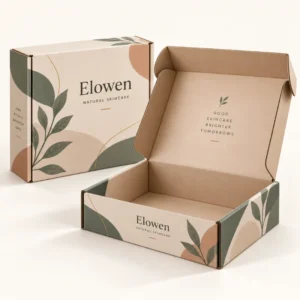
big postage boxes are large format cartons for sellers, households and small businesses that regularly send bulky or multi item parcels. They provide the internal space needed for protective wrapping, keep several items together in one delivery, and give a parcel the structural strength to survive stacking and sorting. When the box size matches the order, packing becomes faster, damage becomes rarer and deliveries look more professional.
Why big postage boxes suit regular senders
Sending one large parcel is often simpler than splitting an order across several small boxes. The customer receives a single delivery, the sender tracks a single parcel, and packing staff follow one consistent routine. Large boxes also make it easier to protect a mixed order, because heavier items can sit at the base, lighter items on top, and void fill can hold everything still without crushing delicate goods.
For businesses, consistency matters. Using the same large formats across orders means staff know which box fits which product range, how much void fill to use and how to tape and label each parcel. That routine reduces mistakes, speeds up dispatch and gives customers a familiar experience, even when order contents vary. A branded large box extends that consistency to the doorstep, where the outer packaging is the first thing the customer sees.
Choosing board grade for large formats
Board grade should follow product weight and fragility, not habit. Single walled corrugated board suits lighter bulky goods such as clothing, textiles and soft homeware, where the main need is space rather than crush resistance. Double walled board suits heavier goods, glass, ceramics, books in quantity and any parcel that will be stacked under other parcels. When in doubt, test a packed box by lifting it, turning it and pressing the sides, and check whether the base bows or the corners give.
Single walled board for lighter bulky goods
Single walled board keeps a large parcel lighter and easier to handle, which helps packing staff and couriers alike. It works well for items that are bulky but not heavy, and for orders where internal dividers or wrapping provide most of the protection. Keep the box well filled, because a large box that is mostly empty can collapse under stacking, even if the board itself is sound.
Double walled board for heavy and fragile loads
Double walled board adds a second fluted layer, giving extra stiffness and crush resistance for demanding loads. It is the safer choice for heavy multi item orders, for parcels travelling long distances, and for goods with sharp corners or hard edges. The extra strength also helps when a parcel is stored flat under other parcels before delivery, a common cause of corner damage in large formats.
Range planning for an online shop
Most shops do not need dozens of large sizes. Two or three well chosen formats often cover the majority of orders: one for standard multi item orders, one for tall or long items, and one for the largest bundles. Map your best selling combinations to those formats, note which box each combination uses, and keep that guide at the packing bench. Over time, damage reports and customer feedback will show whether a format needs to change.
Print planning belongs in the same conversation. A custom printed large box can carry a logo, a short message and handling guidance, and it makes a shop recognisable without extra inserts. Standard production takes 10 to 14 working days after final artwork approval, and corrugated styles take 12 to 15 working days, so artwork should be ready before a seasonal peak rather than during it. For related formats, see postage boxes and custom mailer boxes.
Packing big postage boxes well at scale
Packing at scale rewards a simple, repeatable method. Tape the base seam fully before adding any product, place a protective layer at the bottom, and build the order in layers from heaviest to lightest. Fill voids as you go rather than at the end, so items are held in place from the start. Close the box without forcing the flaps, tape the top seam in one continuous strip, and place the label flat on the largest clear surface.
Speed should never come at the expense of protection. A damaged large order costs more in replacements, repeat postage and customer trust than the few seconds saved by skipping void fill. Train new packers with a worked example, photograph a correctly packed box for reference, and check packed boxes regularly, especially after a change in product range or box supplier.
Keeping mixed orders safe inside one box
Mixed orders need separation as well as cushioning. Wrap glass or ceramic items individually, keep liquids sealed in a separate bag where appropriate, and place sharp or heavy items where they cannot press against fragile goods. Dividers and tissue help, but the simplest rule is effective: if two items could damage each other by moving, keep them apart and fill the space between them.
Void fill that actually works
Void fill only works when it is packed firmly enough to stop movement. Loose paper that leaves air gaps will compress in transit and let items shift. Crumpled paper, bubble wrap or another suitable cushion should fill the box to the top, so the lid closes on a firm, level surface rather than on a hollow space. Test by closing the box and shaking it gently: if you hear movement, add more fill.
Courier size and weight checks
Before ordering large boxes in quantity, check how the finished parcel fits the service you use. Size and weight bands vary, and a box that is only slightly over a limit can be handled differently or charged differently. Measure the finished parcel, including tape and labels, and weigh it with its contents and void fill. The Royal Mail size and weight guide is a useful starting point for UK postal formats.
Measuring the finished parcel
Internal box dimensions tell you what fits inside, but courier limits apply to the finished parcel. Measure length, width and depth after taping, and weigh the sealed box on accurate scales. Record those figures for each standard order combination, so dispatch staff can spot an unusually large or heavy parcel before it leaves the building.
Storage, sustainability and branding
Large boxes need thoughtful storage. Flat packed supply keeps a stock of big postage boxes manageable, even in a small packing room, because flat bundles stack neatly and assemble quickly. Store bundles dry, off the floor and away from damp walls, and keep the most used sizes closest to the packing bench. Damaged or damp board should be recycled rather than used for customer orders, because weakened board protects poorly and looks unprofessional.
Sustainability improves when boxes are right sized. An oversized box wastes board, void fill and courier space, while a right sized box protects just as well with less material. Corrugated board is widely recyclable, and customers can usually recycle a clean cardboard box through household collections. Avoid unnecessary plastic layers where paper based protection works, and choose a box size that fits the order rather than the largest box on the shelf.
Branding on large boxes should be clear but restrained. One strong logo, legible handling notes and a short thank you message are enough for most shops. Overly busy print can look cluttered on a large surface and can distract from handling information. You can start a custom order through request a quote for big postage boxes, browse browse the full packaging shop, and read delivery information for custom orders before confirming artwork.
Returns and repeat orders
Large boxes also work well for returns, because a customer can reuse the same box to send an item back if it is still in good condition. A clear returns note inside the box, plus a second label area or a resealable design where available, makes that process smoother. For repeat customers, consistent box sizes and branding build familiarity, so each delivery feels like part of the same shop rather than a one off parcel.
Reusing a large box safely
A reused box should be inspected before it travels again. Check corners, seams and the base for creases, tears or damp patches, and retape fully rather than relying on old tape. If the board is weakened, recycle it and use a fresh box. A return that arrives damaged because of a tired box helps no one, and a fresh box is a small cost compared with a replacement product.
Frequently asked questions
Q1. How many sizes of big postage boxes does a small shop need?
Most small shops manage well with two or three large formats: one for standard multi item orders, one for tall or long items, and one for the largest bundles. Map your common order combinations to those formats and adjust only when damage reports or feedback suggest a change.
Q2. Are big postage boxes suitable for fragile items?
Yes, provided the board grade and packing suit the product. Use double walled board for heavier or fragile loads, wrap items individually, separate items that could damage each other, and fill voids firmly so nothing moves in transit.
Q3. What is the difference between big postage boxes and mailer boxes?
Mailer boxes are usually shallower, self locking formats for single products or flat sets, while big postage boxes are larger cartons for bulky or multi item orders. The right format depends on product size, weight and how the parcel will be presented on opening.
Q4. Can big postage boxes be custom printed?
Yes. Large boxes can carry logos, brand colours and handling or thank you messages. Standard production takes 10 to 14 working days after final artwork approval, and corrugated styles take 12 to 15 working days.
Q5. How should large boxes be stored?
Store flat packed boxes dry, off the floor and stacked neatly, with the most used sizes closest to the packing bench. Recycle any damp or damaged board rather than using it for customer orders.